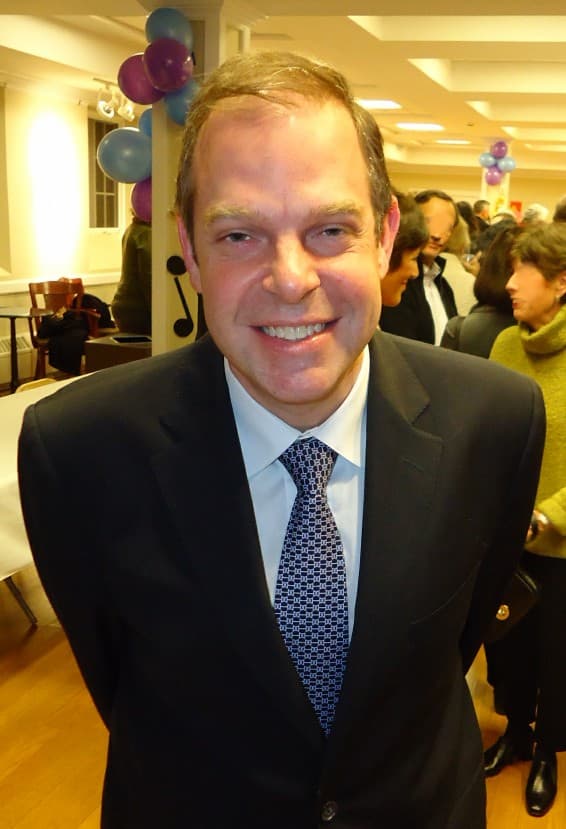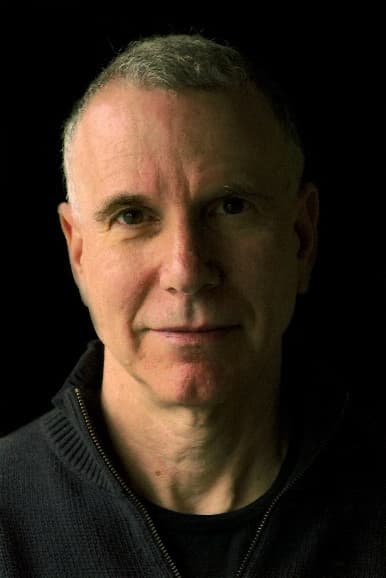
Marc Copland
Lush, impressionistic piano jazz that prioritizes mood and color over speed. Quietly radical harmonies that feel like a slow conversation in a dimly lit room.
Lush, impressionistic piano jazz that prioritizes mood and color over speed. Quietly radical harmonies that feel like a slow conversation in a dimly lit room.
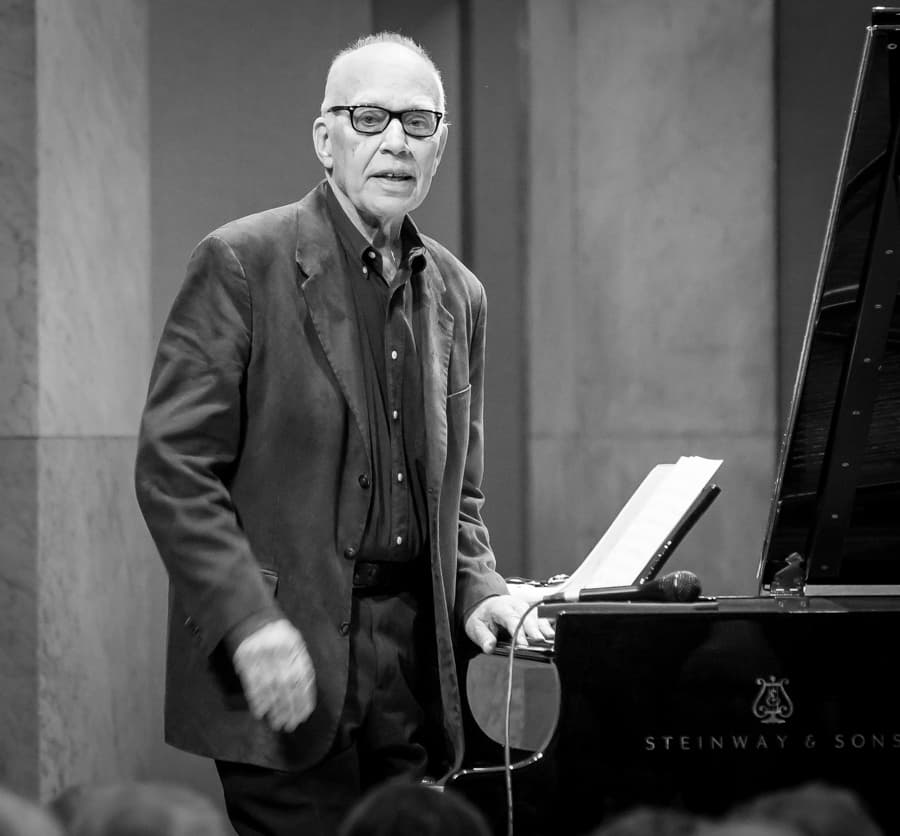
Marc Copland is a singular figure in contemporary jazz, defined by his rare mid-career transition from saxophone to piano. Originally a saxophonist in the 1960s Philadelphia and New York scenes, he spent a decade in self-imposed hiatus to master the piano, emerging in the 1980s with a fully formed, impressionistic style.
His sound identity is built on 'harmonic color,' utilizing complex polychords and atonal elements influenced by 20th-century classical music. Critics often describe him as a 'poet of the piano,' noting his exceptional control over dynamics and pedal-induced textures. His career is marked by long-standing collaborations with elite improvisers like John Abercrombie, Gary Peacock, and Billy Hart. Copland occupies a space between the lyrical tradition of Bill Evans and the more abstract explorations of Paul Bley. He is highly regarded by audiophiles and jazz purists for his intimate recording style and his ability to find new emotional resonance in the Great American Songbook through radical re-harmonization.
Shares post-bop, cool jazz, avant-garde jazz, library (subgenre)
Shares post-bop, cool jazz, avant-garde jazz, voice_as_instrument (subgenre)
Shares post-bop, cool jazz, avant-garde jazz, library (subgenre)
Shares post-bop, cool jazz, library, dynamic_range (subgenre)
Shares post-bop, cool jazz, avant-garde jazz, voice_as_instrument (subgenre)
Cassette uses generative AI to enrich its catalog. How we use AI →