Magnus Uggla
Sharp-tongued Swedish rock that pairs a sneering punk attitude with polished glam-pop hooks. Satirical, theatrical, and unapologetically witty.
Sharp-tongued Swedish rock that pairs a sneering punk attitude with polished glam-pop hooks. Satirical, theatrical, and unapologetically witty.
Magnus Uggla is the ultimate provocateur of Swedish rock, delivering a sound that is simultaneously catchy and cutting. His music lives in the tension between high-gloss production and a gritty, street-level perspective. It sounds like a neon-lit Stockholm night where the champagne is flowing but the narrator is busy making fun of everyone in the room. The instrumentation often leans on driving guitars and 80s-era synths, but the focal point is always that unmistakable, nasal voice.
What truly sets Uggla apart is his mastery of the satirical character study. He isn't just singing songs; he is performing vignettes that skew social climbers, boring middle-class life, and the vapid nature of fame. His early work channels the theatricality of David Bowie and the raw edge of The Clash, while his later hits perfected a form of high-energy pop-rock that became the soundtrack to Swedish nightlife. There is a persistent sense of 'the dying dandy' - a figure who is too smart for the room but stays for the party anyway.
For the uninitiated, start with the 1977 breakthrough 'Va ska man ta livet av sig för...' to hear the birth of Swedish punk-influenced rock. If you want the peak of his satirical pop powers, 'Den döende dandyn' is essential. It captures the essence of his 80s dominance, blending infectious melodies with lyrics that remain as biting today as they were decades ago.
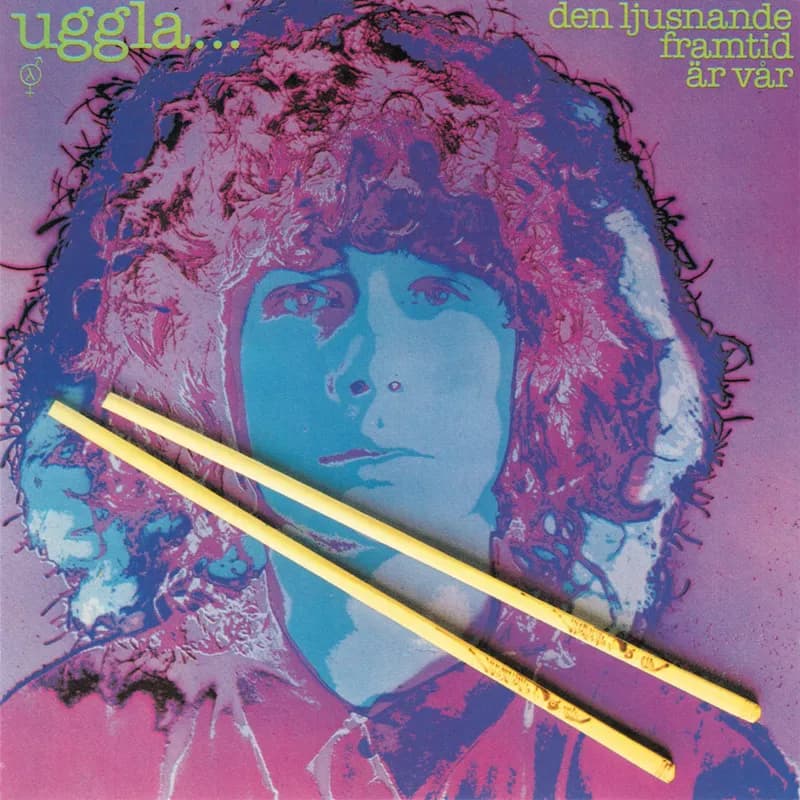
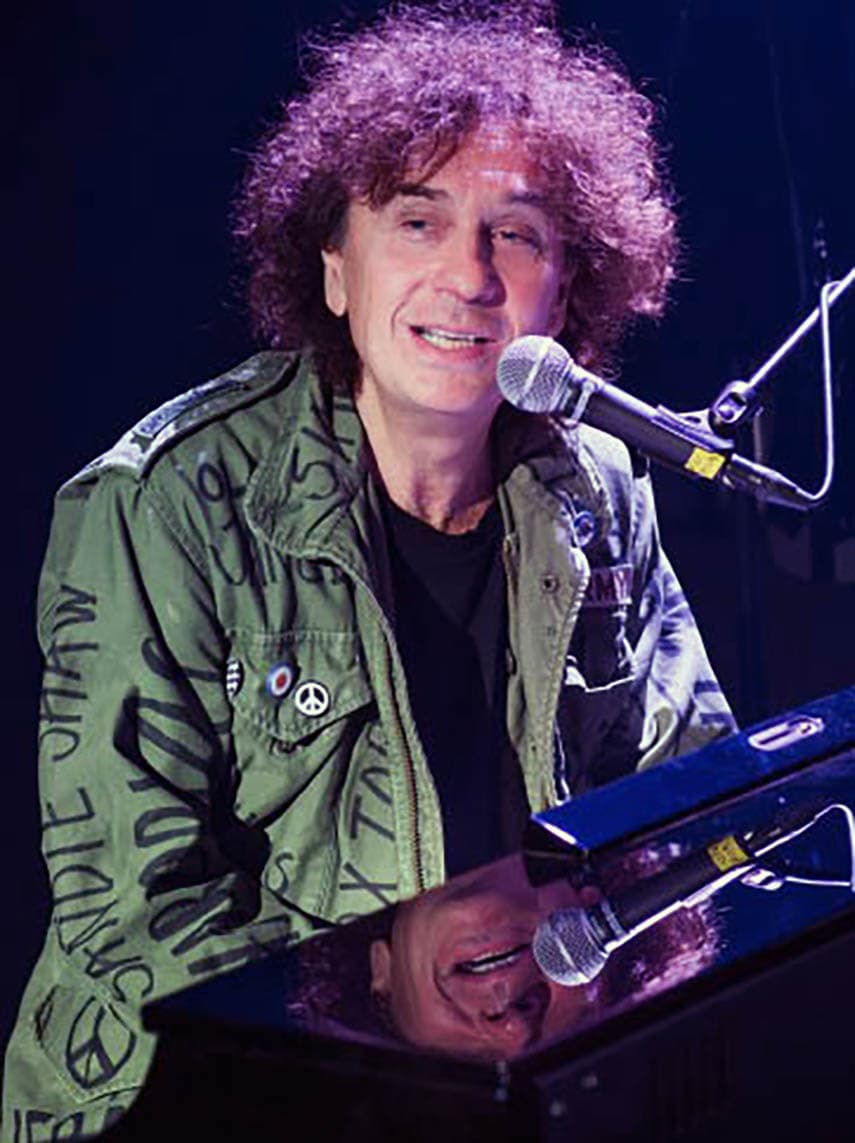
Per Allan Magnus Claësson Uggla (pronounced [pæːr ˈǎlːan ˈmǎŋːnɵs ˈklɑ̌ːsɔn ˈɵ̂ɡːla]; born 18 June 1954) is a Swedish entertainer, composer, actor, and occasional radio host. He is known for his satirical lyrics. Uggla was born in Stockholm. He was the lead singer of the hard rock band JUSO (later renamed Alexander Lucas) before going solo in the early 1970s. Their influences were Black Sabbath, The Groundhogs and Alice Cooper, among others. Uggla's first two glam- and art rock-inspired albums Om Bobbo Viking and Livets teaterˈ did not sell well, the first only about 500 copies in Sweden and Livets teater even less. But his departure from glam rock with the punk and hard rock inspired Va ska man ta livet av sig för när man ändå inte får höra snacket efteråt gained him much popularity and the album sold about 150,000 copies. In the 1970s, several music magazines gave Magnus the name "The Swedish Ian Hunter". In 1979, he was one of the members in Magnus Uggla Band. Povel Ramel awarded him the Karamelodiktstipendiet in 1991. Uggla's solo influences includes Karl Gerhard, David Bowie, The Clash, Marc Bolan, Wendy Carlos and Mott the Hoople. In an interview with Aftonbladet, Uggla said that the Clash "was a really good band" and also created the song "Du ska va' glad" after he saw them perform at Gröna Lund.
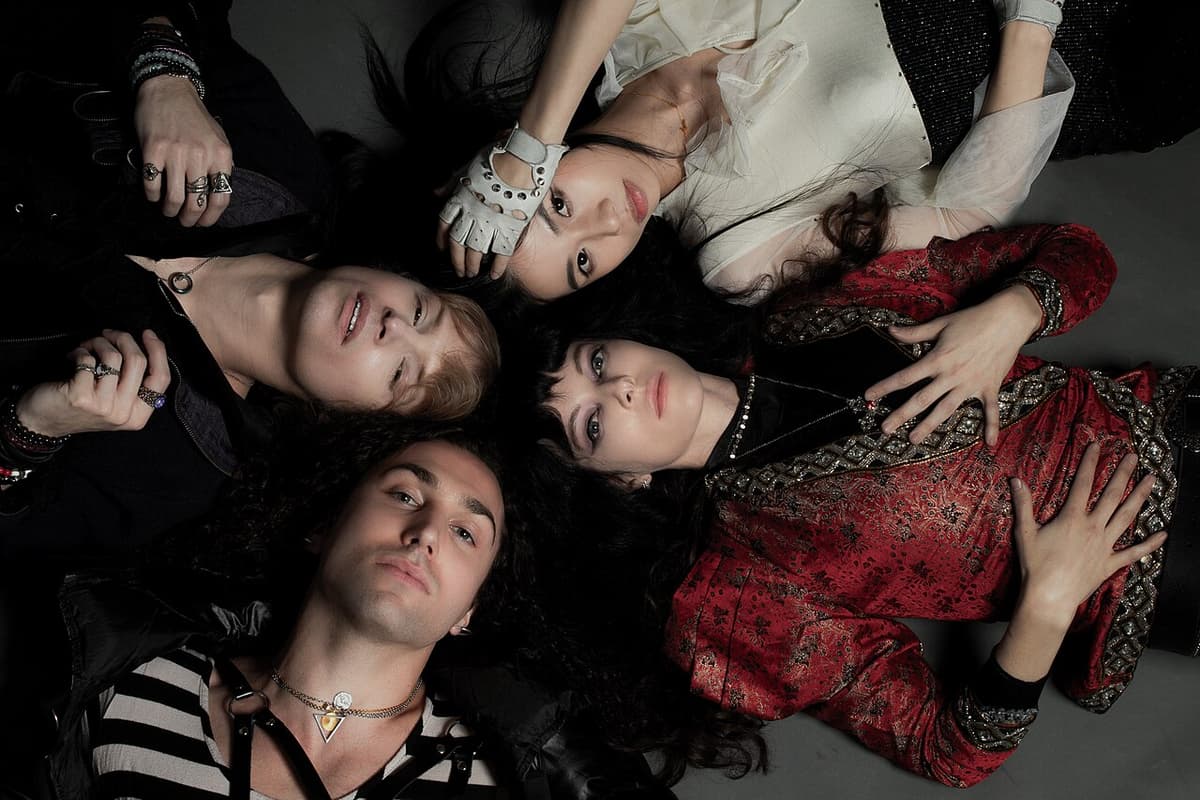
Shares studio polished, analog warmth, layered dense (production style); defiant, playful, rebellious (moods)
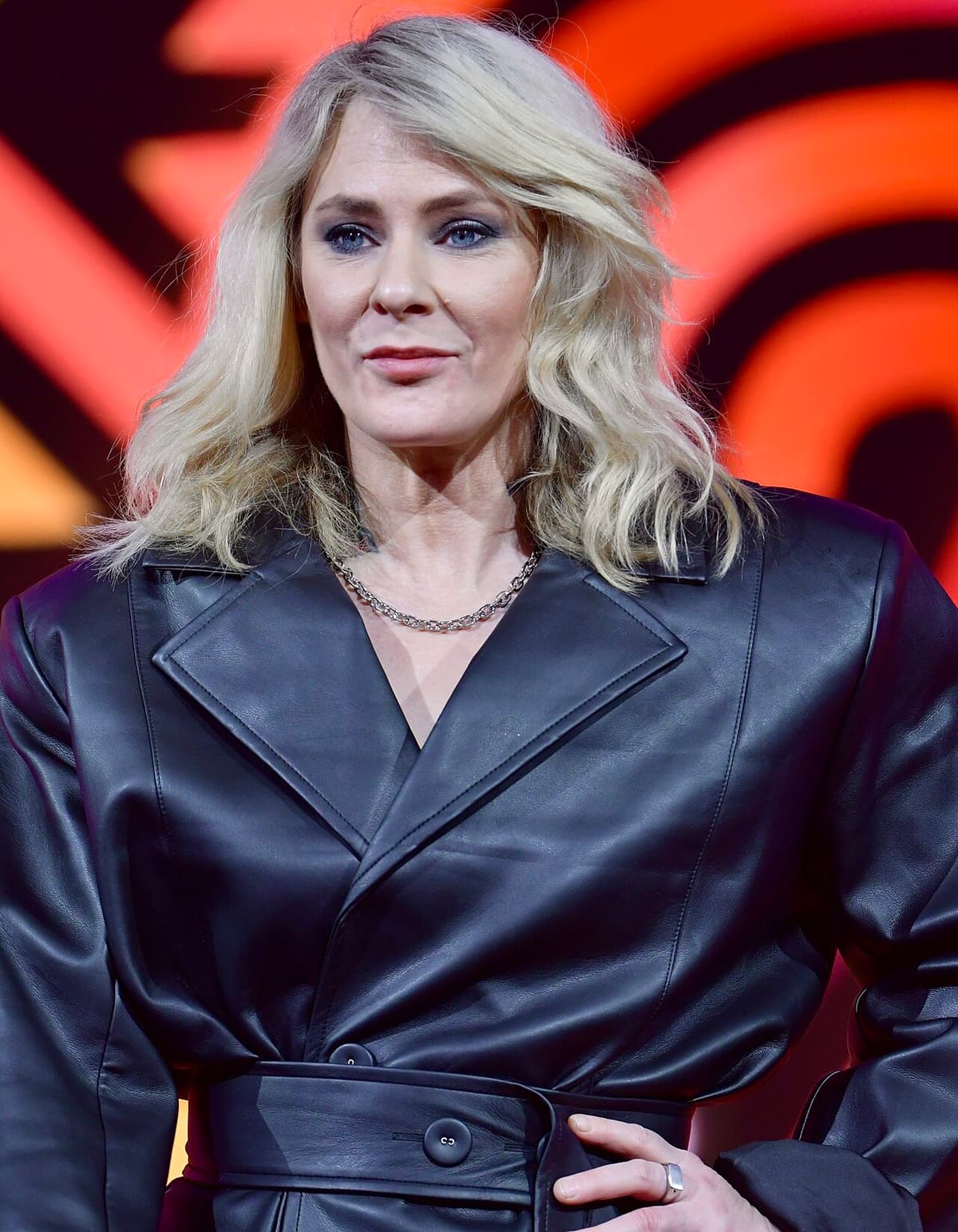
Shares studio polished, analog warmth, layered dense (production style); urban night, dive bar, festival (atmosphere)

Shares studio polished, compressed loud, layered dense (production style); punk rock, pop rock (subgenres)
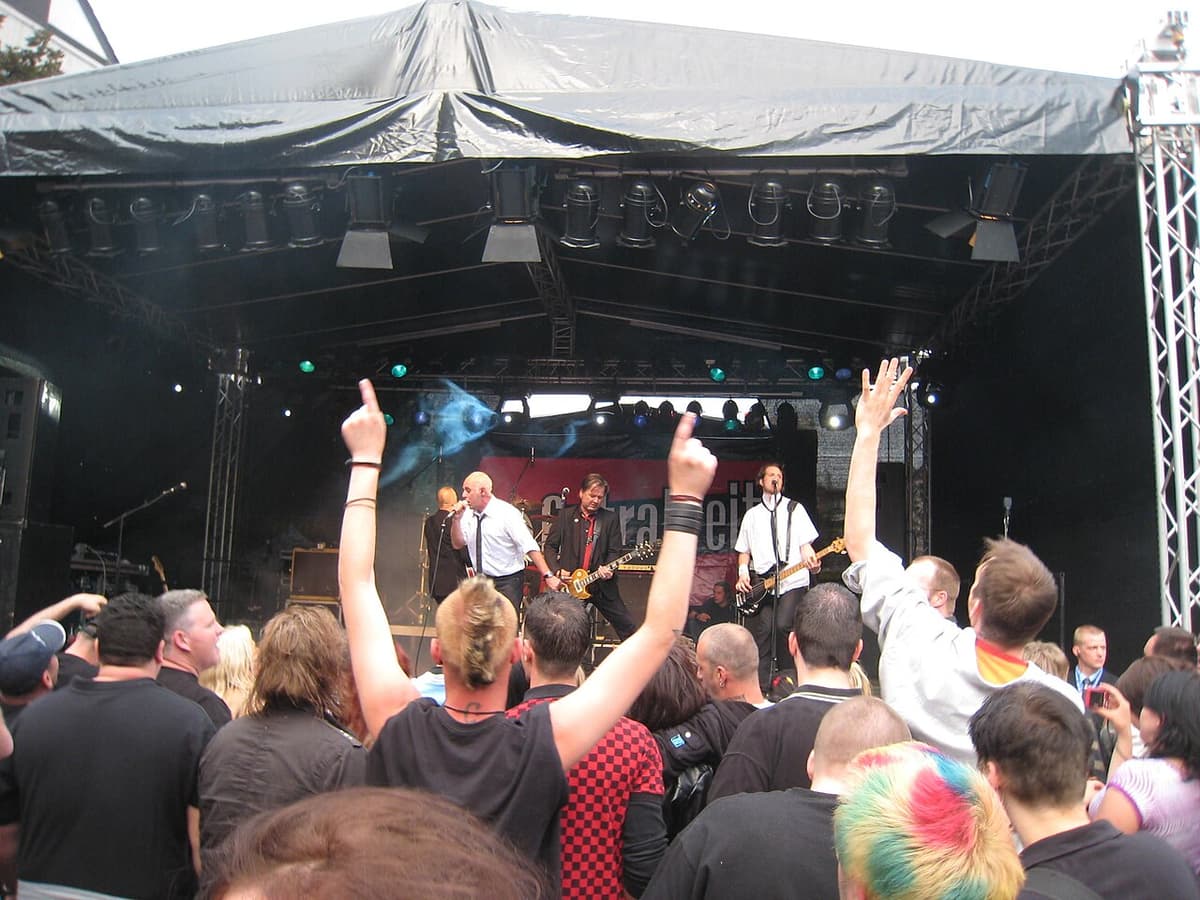
Shares studio polished, analog warmth, compressed loud (production style); basement show, dive bar, urban night (atmosphere)
Shares studio polished, analog warmth, layered dense (production style); festival, basement show, urban night (atmosphere)

Shares studio polished, compressed loud, layered dense (production style); defiant, playful, bittersweet (moods)
Shares humor satire, nasal, punk rock, pop rock (signature)
Cassette uses generative AI to enrich its catalog. How we use AI →