Lullaby for the Working Class was a pivotal collective in the development of the 'Omaha Sound' and the Saddle Creek aesthetic, though their music was significantly more hushed and orchestrated than the label's later breakout hits. Formed in 1994, the group served as a laboratory for Mike Mogis, who would go on to define the sound of 2000s indie folk as the primary producer for Bright Eyes.
The band's sound identity is defined by 'chamber folk': a blend of traditional folk instrumentation with formal orchestral elements like cello, violin, and brass, all delivered with a slowcore-adjacent restraint. Their career arc was brief but influential, spanning three albums that moved from the intimate lo-fi of 'Blanket Warm' to the more expansive 'Song'. Critically, they are regarded as a bridge between the 90s lo-fi movement and the more polished baroque-folk of the 2000s. Their influence is felt in the work of artists like The Decemberists and Iron & Wine, who similarly blended singer-songwriter intimacy with varied acoustic textures.



Shares cello, chamber folk, baroque pop, cabin_in_woods (signature)
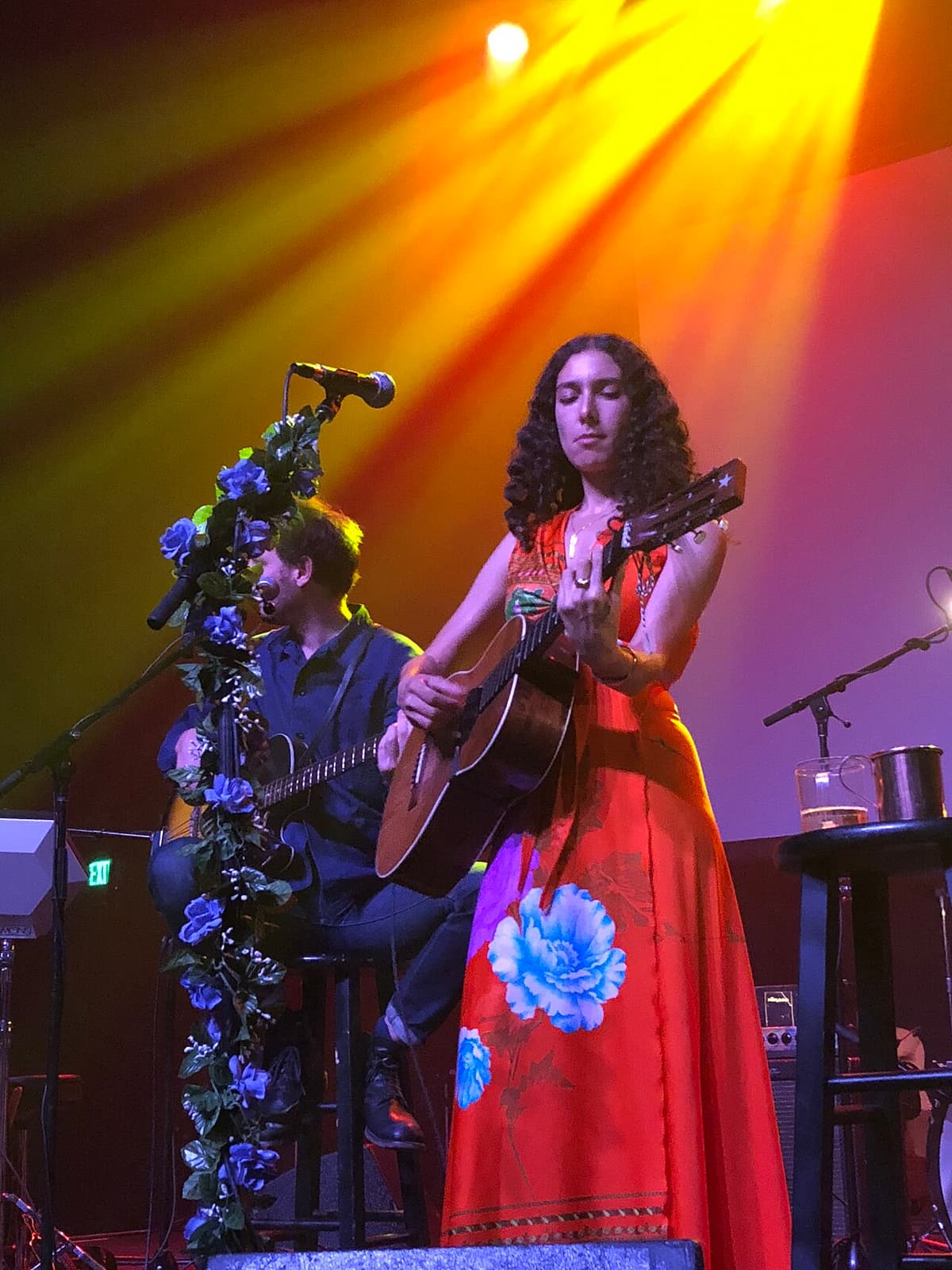
Shares chamber folk, banjo, wistful, baroque pop (signature)
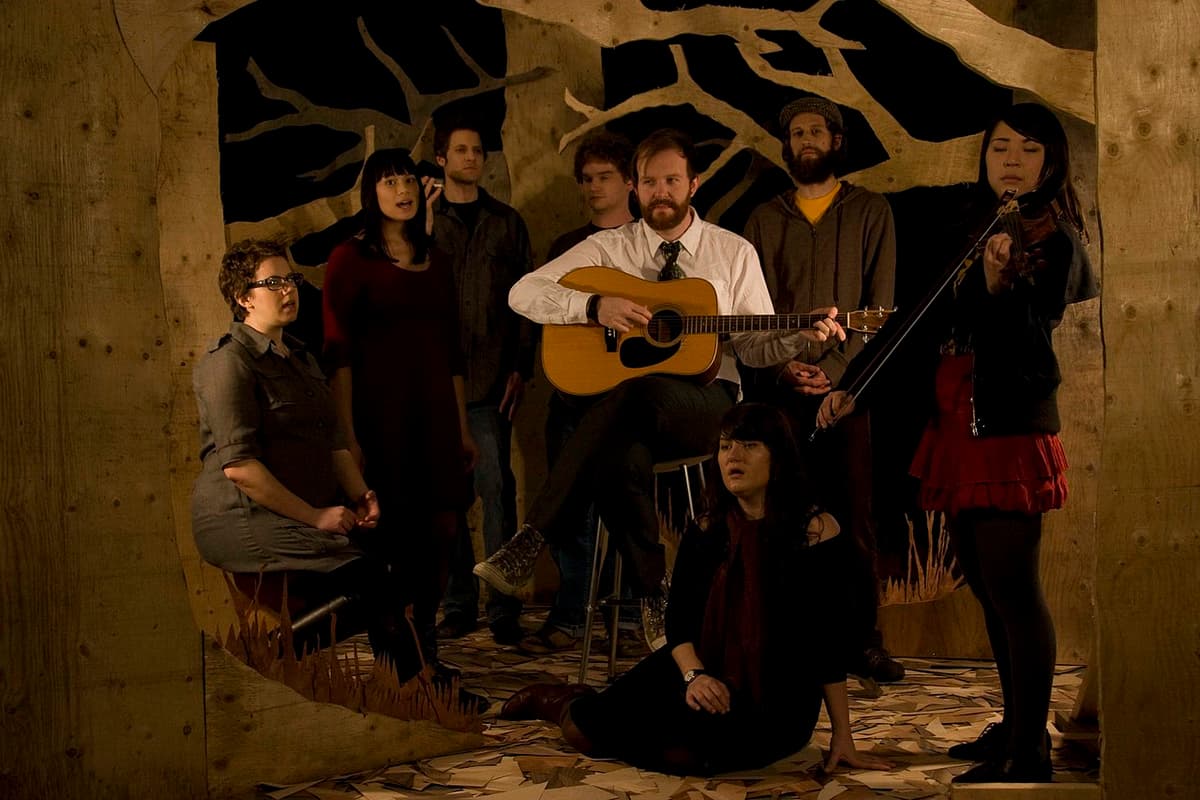
Shares chamber folk, baroque pop, violin, cabin_in_woods (signature)
Shares cello, chamber folk, slowcore, indie folk (signature)

Shares baroque pop, violin, chamber folk, cabin_in_woods (subgenre)
Shares chamber folk, baroque pop, violin, cabin_in_woods (signature)
Cassette uses generative AI to enrich its catalog. How we use AI →