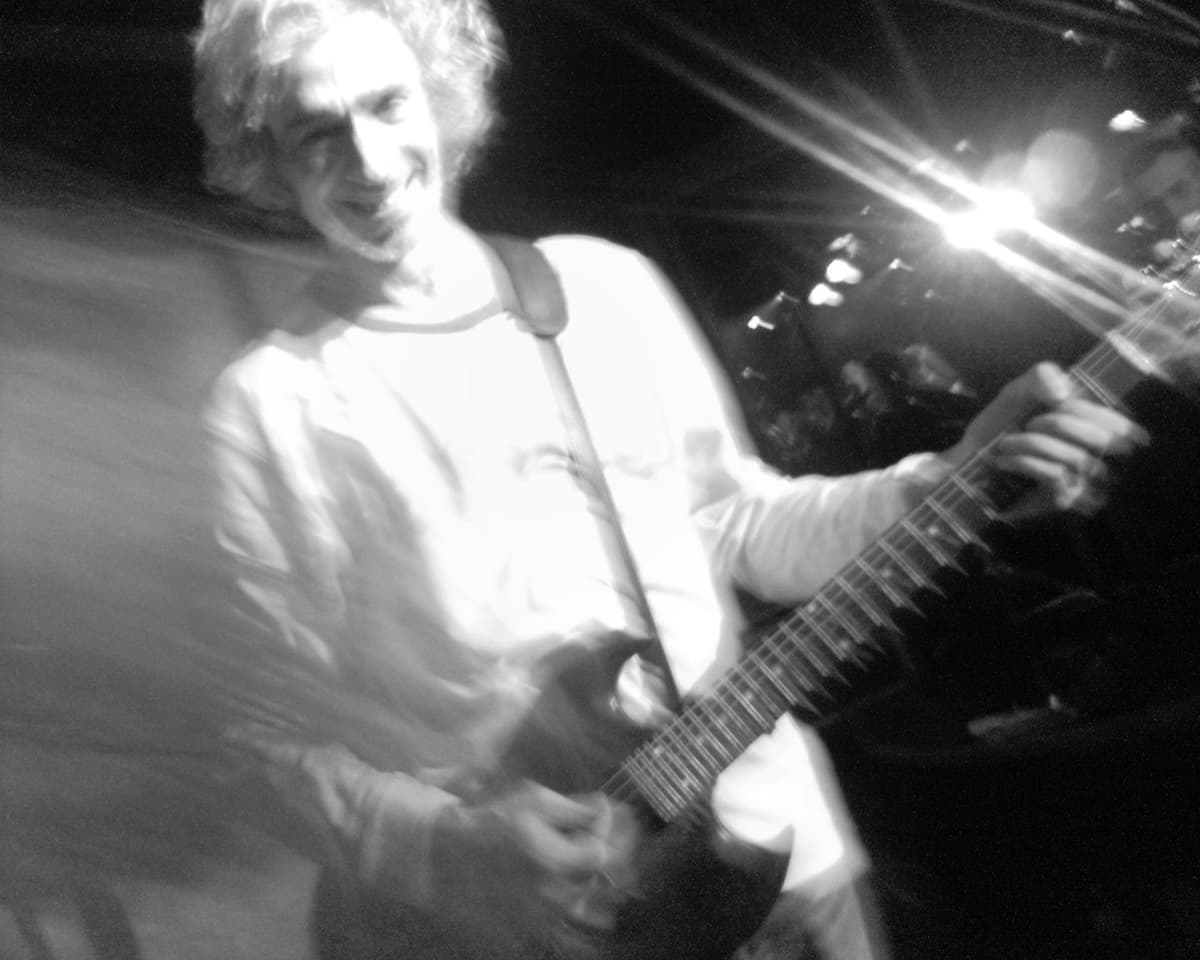
Louis Bertignac
Gritty, blues-drenched French rock led by fluid, swaggering guitar work. The sound of a tube amp pushed to its limit in a crowded Parisian club.
Gritty, blues-drenched French rock led by fluid, swaggering guitar work. The sound of a tube amp pushed to its limit in a crowded Parisian club.
Louis Bertignac is the quintessential French guitar hero, carrying the torch of classic 70s rock into the modern era with a signature blend of bluesy grit and melodic pop sensibility. His music feels lived-in and tactile, characterized by the warm saturation of vintage amplifiers and a rhythmic pocket that swings as much as it hits. It is the sound of a musician who has spent decades on stage, prioritizing the feel of a bent string over clinical perfection.
What sets Bertignac apart is his ability to translate the swagger of British invasion rock into the poetic cadences of the French language. While his work with Téléphone defined a generation, his solo output reveals a more intimate, soulful side. His guitar playing is unmistakable: fluid, pentatonic-based, and deeply expressive, often serving as a second voice that dialogues with his own raspy, conversational vocals.
For those looking to dive in, the live recordings are essential to understanding his energy, but 'Elle et Louis' offers the best studio entry point. It captures his transition from band leader to solo artist, showcasing his knack for writing hooks that feel both timeless and specifically rooted in the French rock tradition.
Louis Laurent Bertignac (French pronunciation: [lwi lɔʁɑ̃ bɛʁtiɲak]; born 23 February 1954) is a French guitarist, vocalist and songwriter. An ex Shakin' Street member and a founding member in 1976 of the rock band Téléphone, he formed Bertignac et les Visiteurs after Téléphone split in 1986. Tony Visconti produced his first solo album, Elle et Louis (1993) and Chris Kimsey the second, '96. In 2004, he produced, arranged and played guitar on the debut album by Carla Bruni, Quelqu'un m'a dit. Bruni in turn contributed lyrics to 10 of the 12 songs on Bertignac's 2005 album Longtemps. He performed at Live 8 at the Palace of Versailles on 2 July 2005. He appears as an actor in Highlander III: The Sorcerer in 1994.
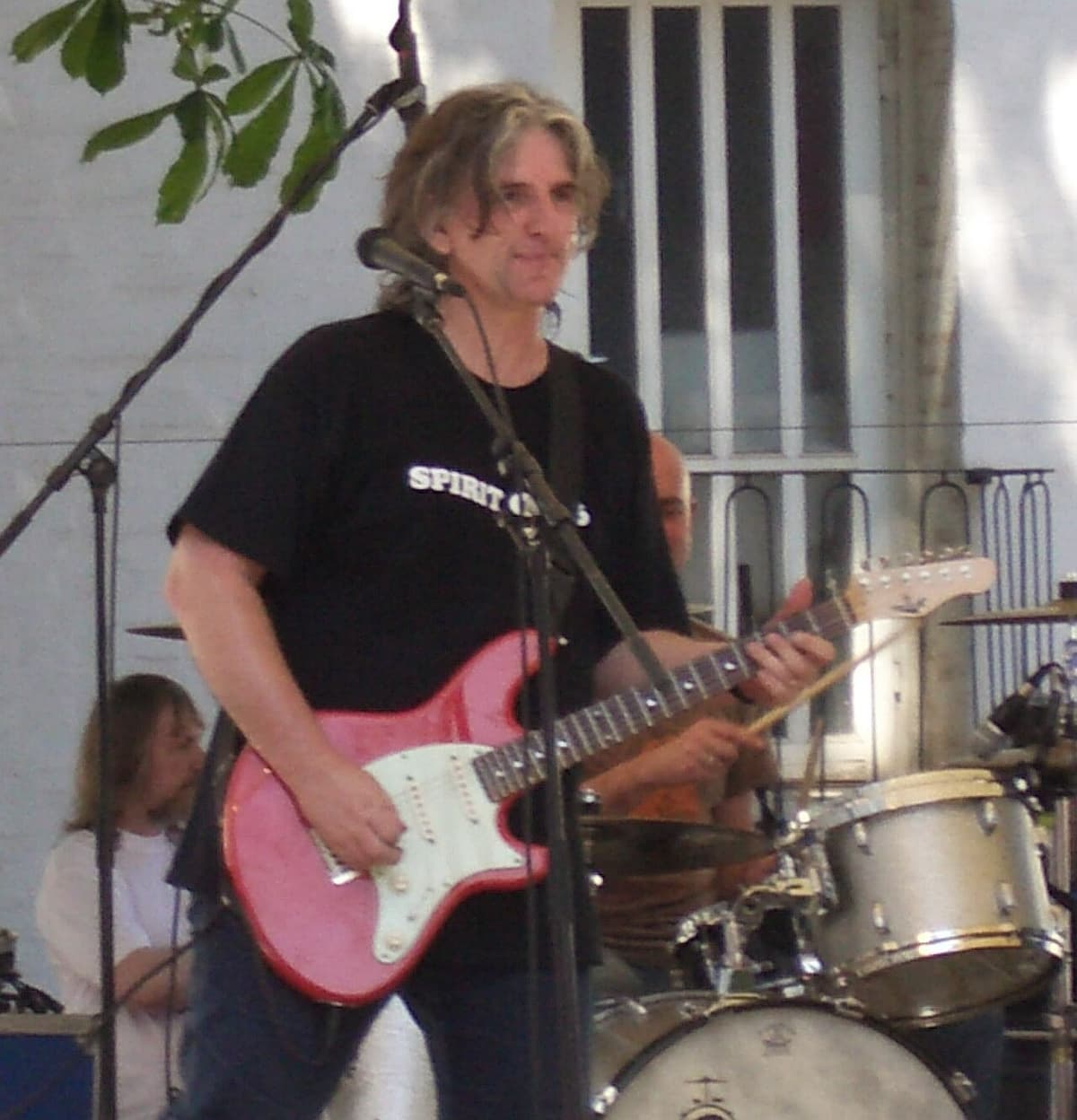
Shares analog warmth, live recording, hand played (production style); blues rock, classic rock, hard rock (subgenres)
Shares analog warmth, live recording, hand played (production style); energetic, nostalgic, rebellious (moods)
Shares blues rock, classic rock, hard rock (subgenres); analog warmth, live recording, hand played (production style)
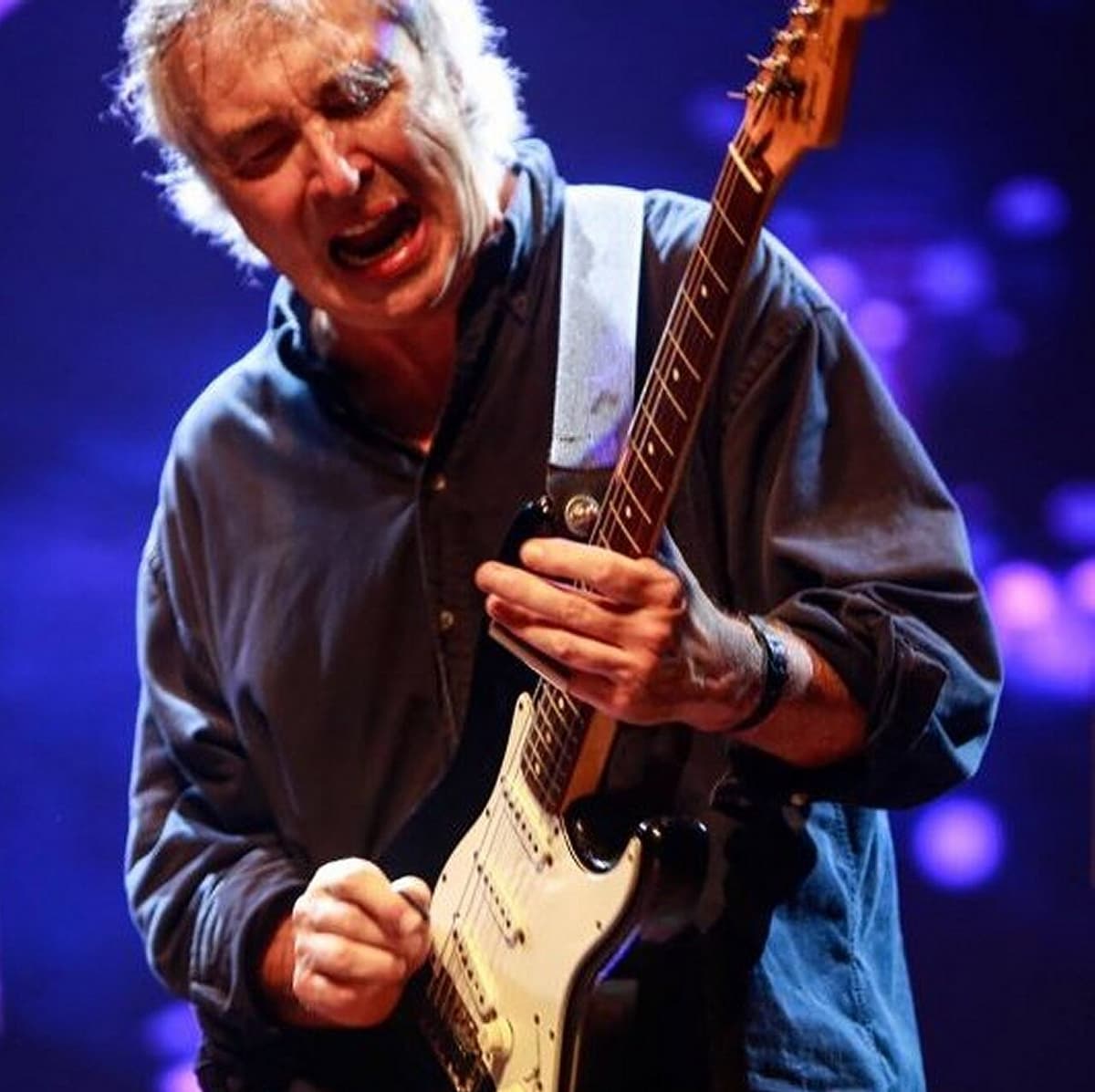
Shares analog warmth, live recording, hand played (production style); blues rock, classic rock, hard rock (subgenres)
Shares blues rock, classic rock, hard rock (subgenres); analog warmth, live recording, hand played (production style)
Shares analog warmth, live recording, hand played (production style); blues rock, classic rock, hard rock (subgenres)
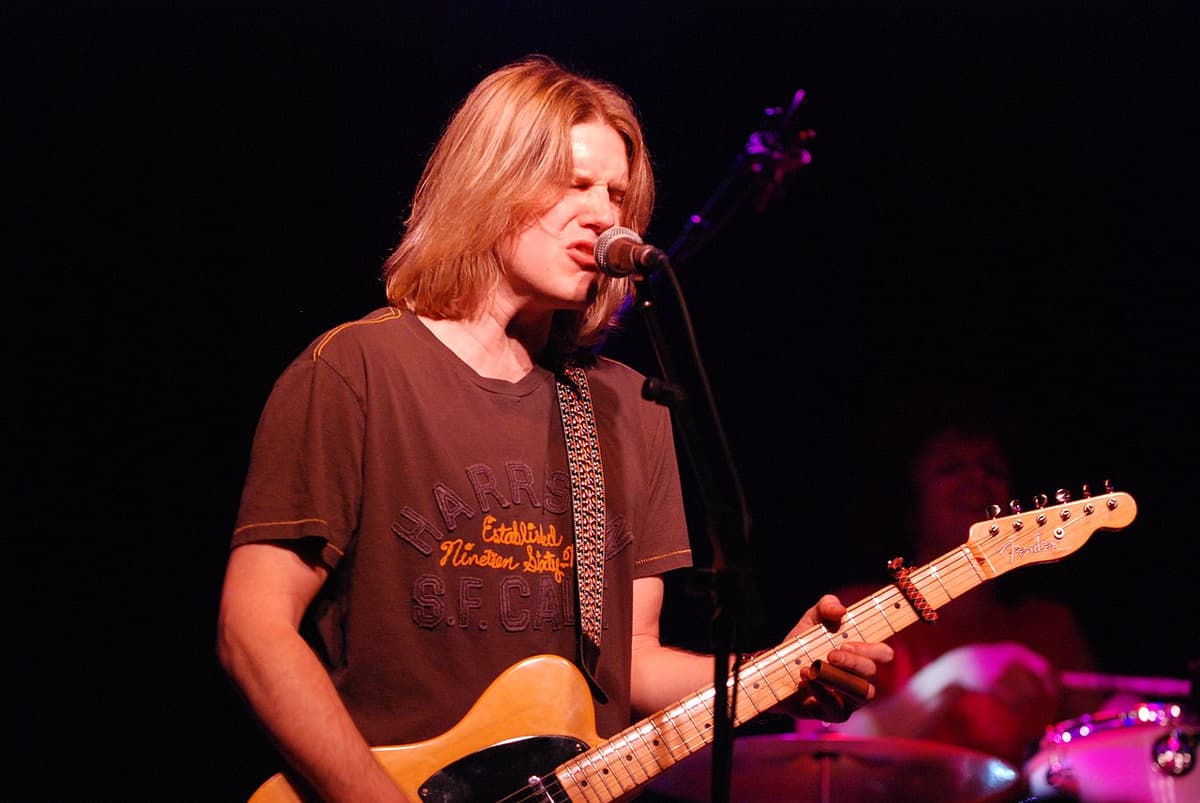
Shares analog warmth, live recording, hand played (production style); blues rock, classic rock, hard rock (subgenres)
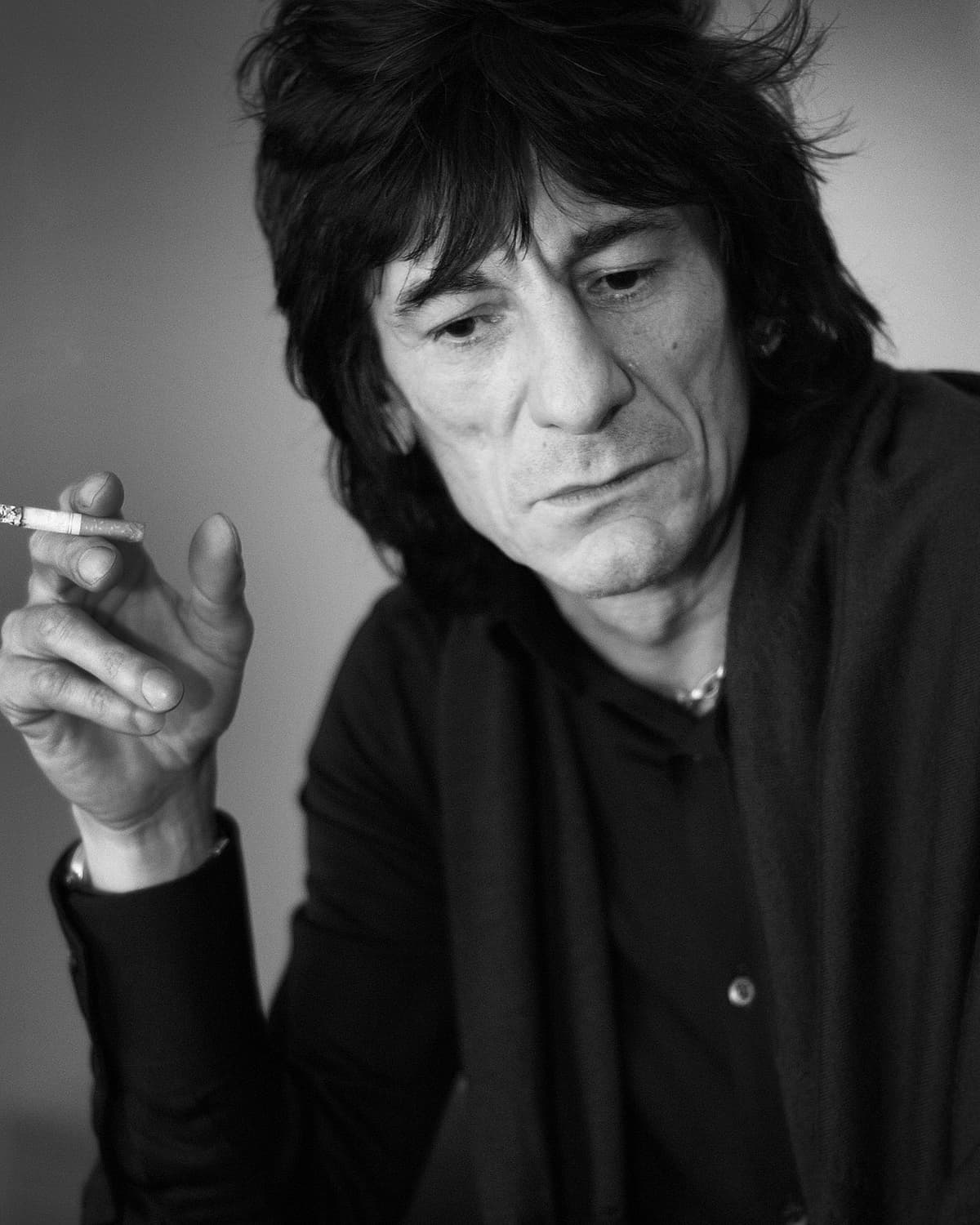
Shares analog warmth, live recording, hand played (production style); blues rock, classic rock, hard rock (subgenres)
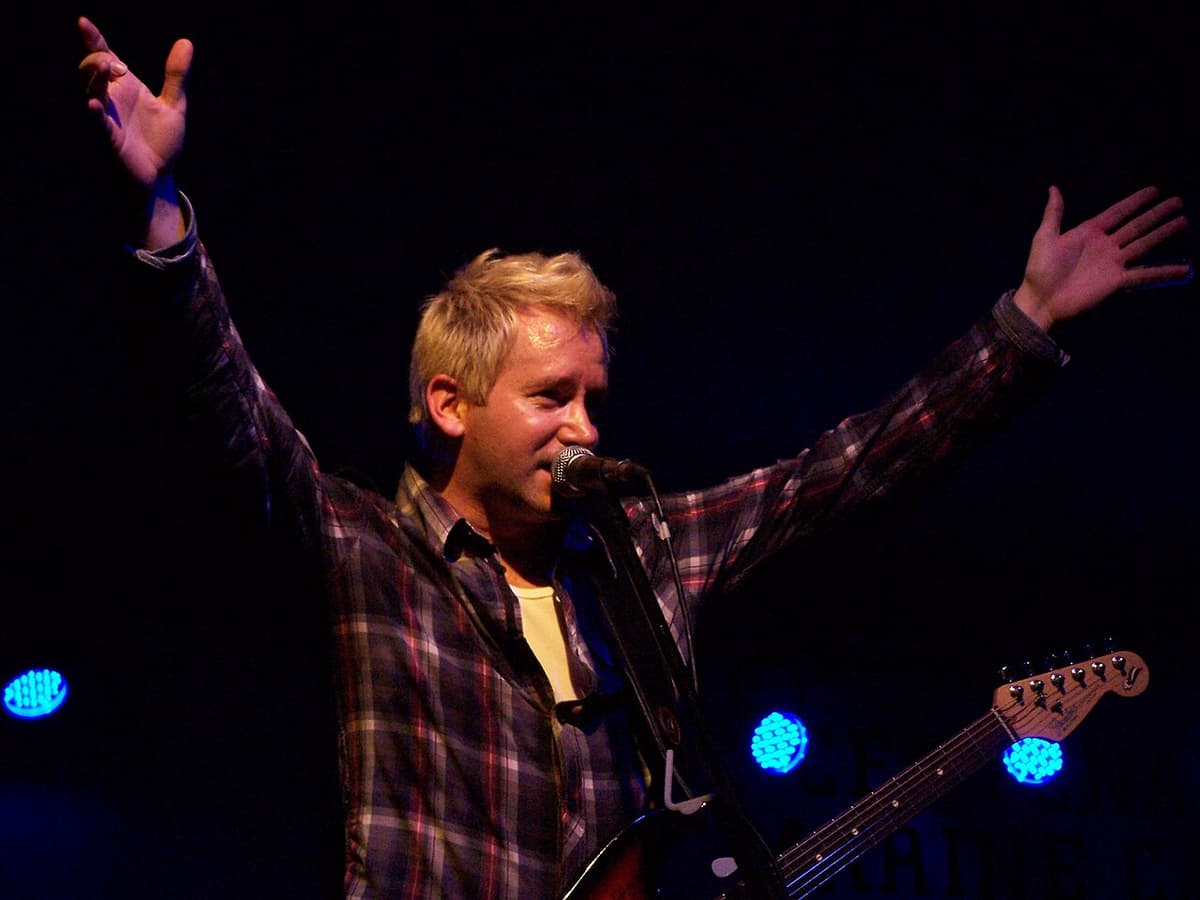
Shares analog warmth, live recording, hand played (production style); energetic, rebellious, soulful (moods)
Shares blues rock, classic rock, hard rock (subgenres); analog warmth, live recording, hand played (production style)
Shares blues rock, classic rock, raspy, electric guitar (signature)
Cassette uses generative AI to enrich its catalog. How we use AI →


