Longing for Dawn creates music that exists in the spaces between heartbeats. It is funeral doom at its most patient and atmospheric, characterized by tempos so slow they feel like geological shifts. The sound is thick with a foggy, dark ambient influence that softens the edges of the crushing metal riffs, creating a sense of being submerged in cold, deep water.
What sets them apart is the pedigree of guitarist Frédéric Arbour, whose work with the Cyclic Law label brings a sophisticated dark ambient sensibility to the genre. Instead of just being loud and slow, the music uses silence and decay as instruments. The vocals are a distant, cavernous roar that sounds less like a human and more like the wind howling through a stone canyon.
Start with 'Between Elation and Despair' to hear the band at their most refined. It is an album that demands your full attention and a dark room, offering a cathartic experience for those who find beauty in the most somber and desolate corners of the musical spectrum.
Longing for Dawn is a Canadian funeral doom metal band based in Montreal signed to Grau Records. The band has released three albums, the most recent of which is Between Elation and Despair, which was released in March 2009.


Shares funeral doom, glacial, despairing, doom metal (signature)
Shares cavernous reverb decay, funeral doom, glacial tempo percussion, despairing (detail)
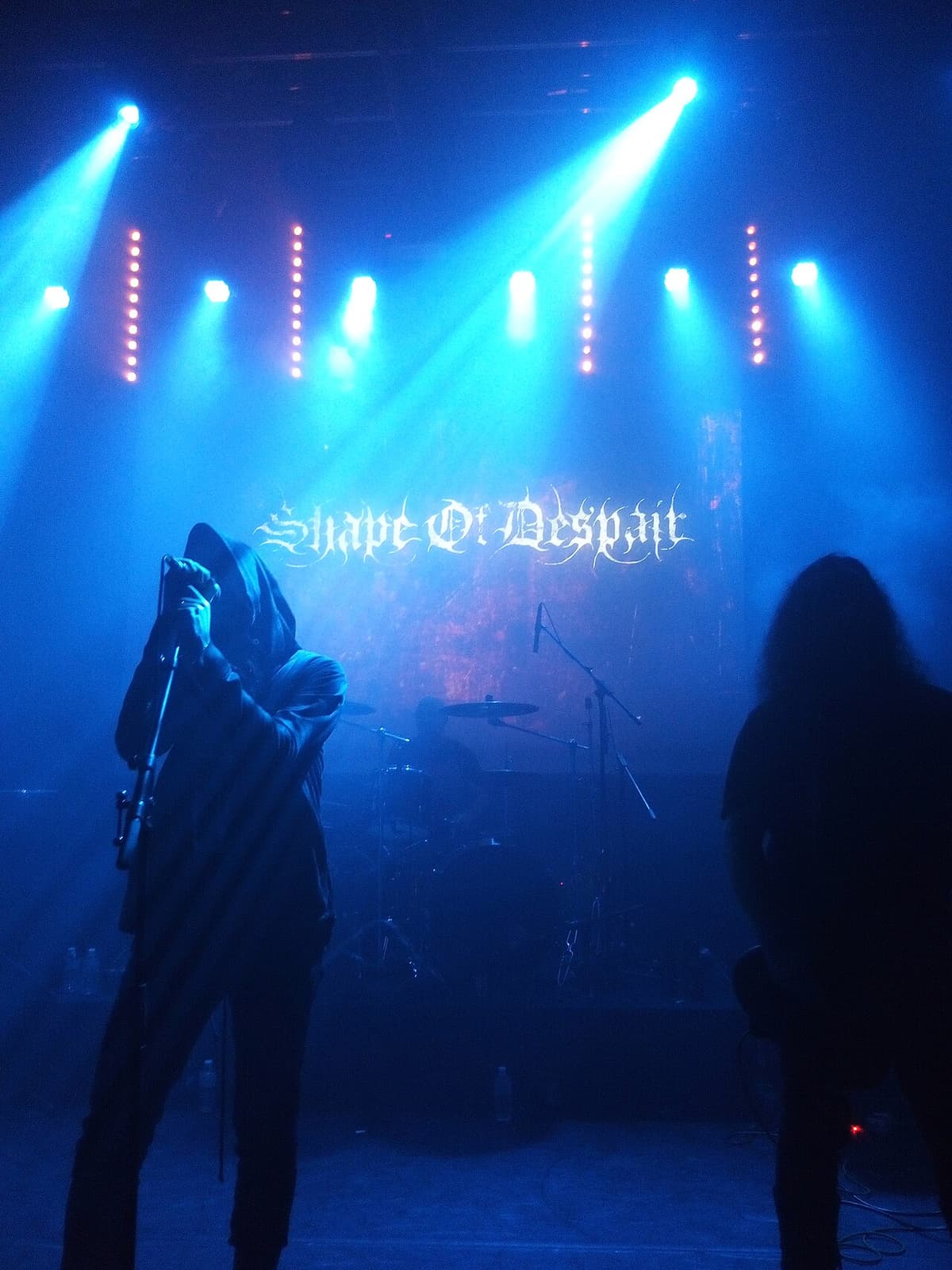
Shares funeral doom, glacial tempo percussion, despairing, doom metal (signature)
Shares glacial, despairing, doom metal, somber (signature)
Shares despairing, post-metal, doom metal, reverb heavy (mood)
Shares funeral doom, despairing, doom metal, somber (signature)
Shares funeral doom, despairing, post-metal, doom metal (signature)
Shares despairing, doom metal, somber, haunting (mood)
Shares fog, post-metal, doom metal, somber (signature)
Cassette uses generative AI to enrich its catalog. How we use AI →