Locanda delle Fate represents the absolute peak of melodic Italian progressive rock. Their sound is defined by an incredible density of melody, often featuring two keyboardists and two guitarists working in intricate, weaving counterpoint. It is music that feels expensive and carefully crafted, lacking the aggressive grit of their contemporaries in favor of a shimmering, romantic elegance that borders on the baroque.
What truly sets them apart is their sense of timing. Arriving at the tail end of the 1970s, they brought a high-fidelity polish to the genre that earlier bands lacked. The vocals are passionate and dramatic, delivered with a quintessentially Italian operatic flair that elevates the surreal, poetic lyrics into something that feels like a lost stage play.
Start with their 1977 masterpiece, Forse le lucciole non si amano più. It is widely considered one of the finest single-album statements in the history of progressive rock, offering a perfect balance of technical complexity and heart-wrenching beauty that rewards focused, headphone listening.
Locanda delle Fate (The Fairy Inn) is an Italian progressive rock band from the end of the Italian progressive rock movement. The band formed in 1974 and in 1975 the vocalist Leonardo Sasso entered the group. Despite good reviews, they encountered little success with their first album Forse le lucciole non si amano più (Polydor, 1977, reissued 1994 with bonus track) and disbanded in 1980 after releasing two further singles. Decades later the band reunited without their lead vocalist, releasing the album Homo Homini Lupus (1999).


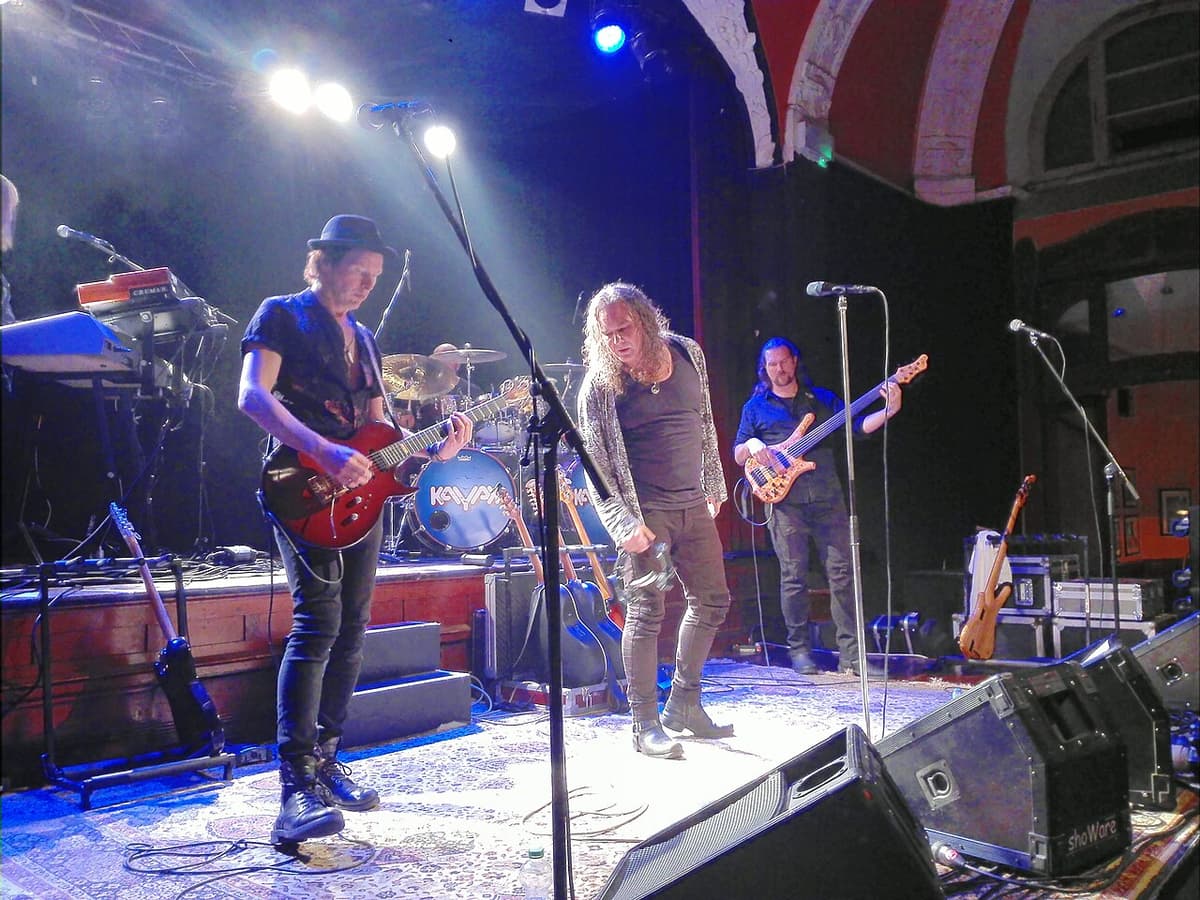
Shares progressive rock, art rock, baroque pop (subgenres); analog warmth, layered dense, studio polished (production style)
Shares progressive rock, art rock, symphonic metal (subgenres); analog warmth, layered dense, studio polished (production style)
Shares progressive rock, art rock, symphonic metal (subgenres); melancholic, wistful, triumphant (moods)
Shares progressive rock, art rock, symphonic metal (subgenres); analog warmth, layered dense, studio polished (production style)
Shares analog warmth, layered dense, studio polished (production style); progressive rock, art rock, symphonic metal (subgenres)
Shares progressive rock, art rock, symphonic metal (subgenres); analog warmth, layered dense, studio polished (production style)
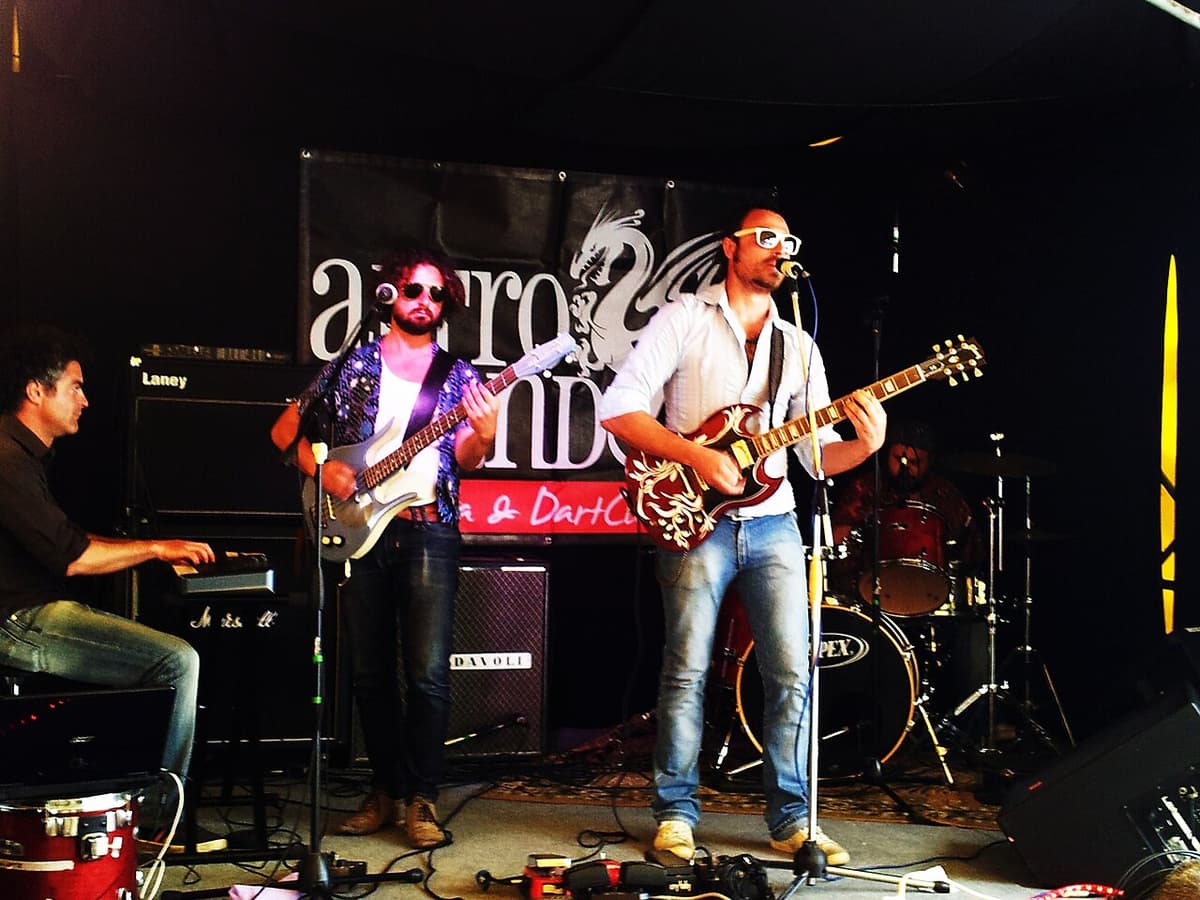
Shares progressive rock, art rock, symphonic metal (subgenres); analog warmth, layered dense, studio polished (production style)
Shares progressive rock, art rock, symphonic metal (subgenres); analog warmth, layered dense, studio polished (production style)
Shares progressive rock, art rock, symphonic metal (subgenres); analog warmth, layered dense, studio polished (production style)
Shares progressive rock, art rock, symphonic metal (subgenres); analog warmth, layered dense, studio polished (production style)
Shares symphonic metal, flute, baroque pop, progressive rock (subgenre)
Cassette uses generative AI to enrich its catalog. How we use AI →