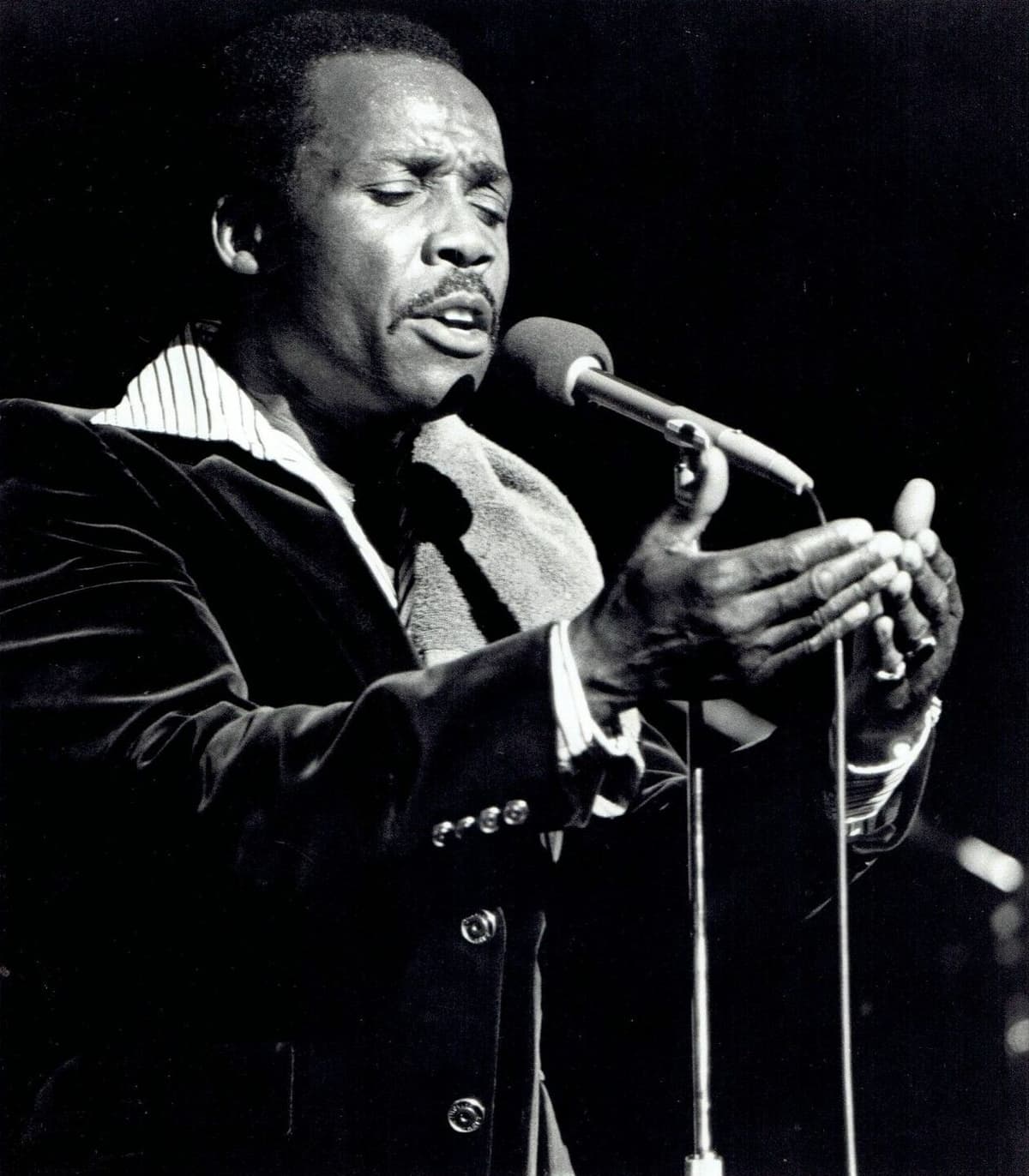
Little Sonny
Gritty, amplified harmonica blues with a heavy Stax soul-funk backbeat. It is the sound of a Detroit late-night session that refuses to quit.
Gritty, amplified harmonica blues with a heavy Stax soul-funk backbeat. It is the sound of a Detroit late-night session that refuses to quit.
Little Sonny brings a uniquely muscular approach to the blues, bridging the gap between the rural traditions of Alabama and the industrial grit of Detroit. His music is defined by a heavy, amplified harmonica sound that often incorporates wah-wah pedals and other effects usually reserved for electric guitars. This gives his work a psychedelic, modern edge that set him apart from the traditionalists of his era.
What truly distinguishes Little Sonny is his relationship with the Stax Records sound. Unlike many of his contemporaries who stayed within the strict confines of Chicago-style blues, Sonny embraced the syncopated rhythms and deep-pocket grooves of 1970s soul and funk. The result is 'New King of the Blues Harmonica' music: it is danceable, tough, and dripping with urban atmosphere.
Start with 'Black & Blue' or 'New King of the Blues Harmonica' to hear how he transforms the blues into something that feels like it belongs in a mod club just as much as a juke joint. His instrumental tracks are particularly potent, showcasing a technical mastery of the reed that is both melodic and percussive.
Little Sonny (born Aaron Willis; October 6, 1932, in Greensboro, Alabama) is an American electric blues harmonica player, singer and songwriter. His early mentor and inspiration was Sonny Boy Williamson II. Nevertheless, Little Sonny stated that his nickname was originated by his mother: "[She] called me 'Sonny boy' from the time I can remember." He has released eight albums, including three for a subsidiary of Stax Records. His 1973 release, Hard Goin' Up, reached the Top 50 in the Billboard R&B chart.
Cassette uses generative AI to enrich its catalog. How we use AI →


