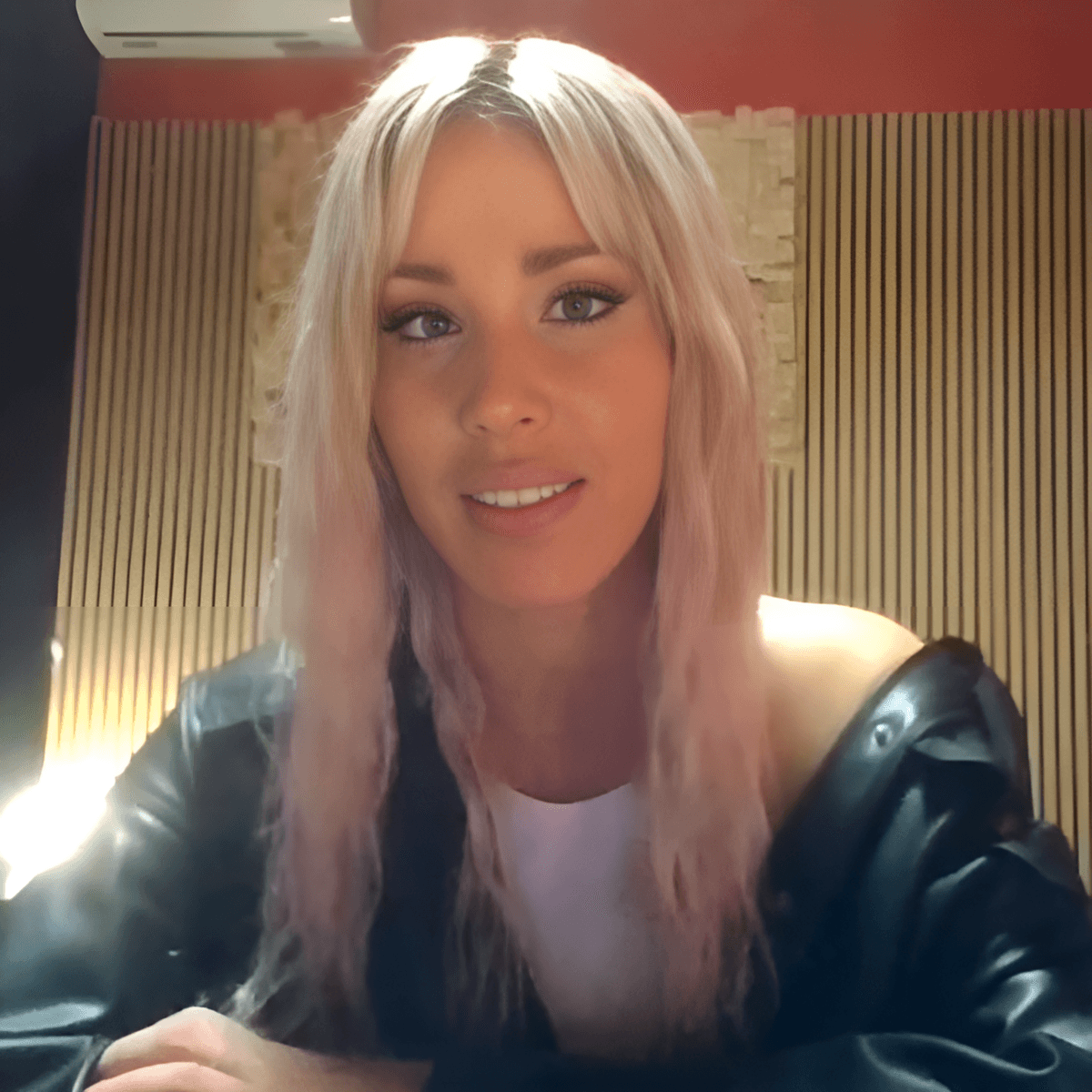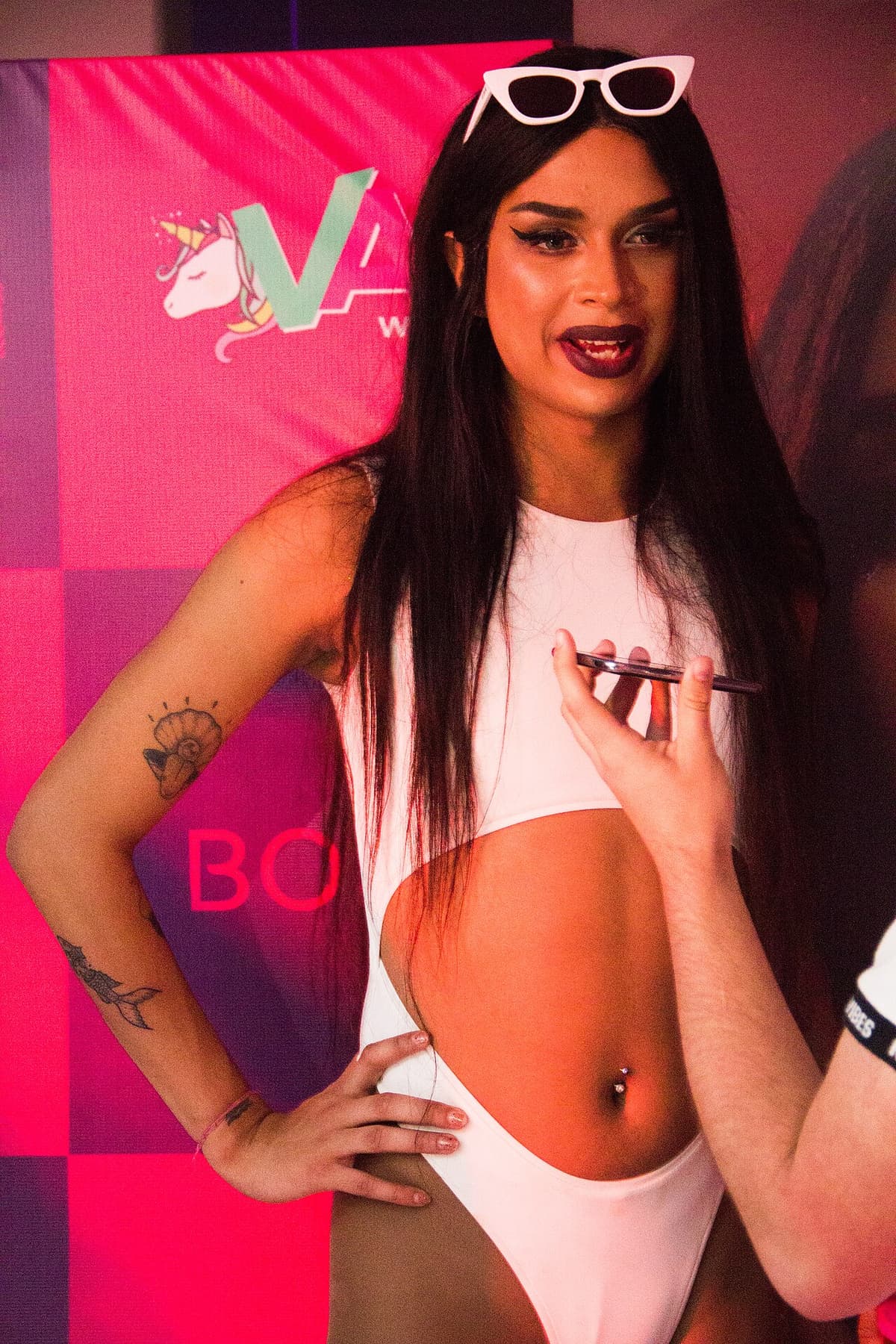
Lia Clark
High-octane Brazilian funk meets drag excellence. Aggressive beats, campy wit, and club-ready energy designed to keep the room moving until sunrise.
High-octane Brazilian funk meets drag excellence. Aggressive beats, campy wit, and club-ready energy designed to keep the room moving until sunrise.
Lia Clark delivers a relentless, neon-soaked explosion of Brazilian funk and high-gloss pop. Her music is defined by the heavy, syncopated 'tamborzão' beats of the favela, elevated by a drag queen's flair for the dramatic and the provocative. It is music that refuses to be ignored, characterized by its sheer volume, rhythmic density, and unapologetic celebration of queer identity and bodily autonomy.
What truly sets Lia apart is her status as a pioneer, bridging the gap between the traditionally heteronormative world of funk carioca and the vibrant LGBTQ+ scene. Her vocal delivery often oscillates between rapid-fire rapping and melodic hooks, all delivered with a wink and a nudge. The production is sharp, modern, and built specifically for massive sound systems, favoring physical impact over subtle nuance.
For those new to her catalog, 'Trava Trava' is the essential starting point to understand her impact on the Brazilian charts. From there, dive into 'Clark Boom' for a masterclass in how to blend club aesthetics with street-level energy. It is the perfect soundtrack for anyone needing an immediate boost of confidence or a reason to dance.
Lia Clark, the stage name of Rhael Lima de Oliveira (born February 15, 1992), is a Brazilian singer and drag queen. Born in Santos, São Paulo, Rhael grew up listening to Brazilian funk. Inspired by Valesca Popozuda and Tati Quebra-Barraco, in 2014, Rhael became the drag queen "Lia Clark", working as DJ known to play funk. Two years later, the artist came to prominence as a singer after the release of "Trava Trava". A hit on Spotify and YouTube, it led to a national tour and to the release of the extended play (EP) Clark Boom in 2016. In the following year, the EP spawned hits like "Chifrudo", "TOME CUrtindo" and "Boquetáxi". The first two marked collaborations with trans singer Mulher Pepita and drag queen Pabllo Vittar respectively, while the latter was involved in a controversy when her YouTube video was restricted because of alleged improper sexual content. During 2018, Clark's singles "Tipo de Garota", "Q.M.T." and "Bumbum no Ar" anticipated the release of the album, É da Pista. The latter song gained notoriety because of the partnership with Wanessa Camargo and its politically motivated music video.
Shares dance-pop, electropop (subgenres); rap, belting, processed (vocal style)
Shares dance-pop, reggaeton, electropop (subgenres); confident, playful, rebellious (moods)
Shares dance-pop, reggaeton, electropop (subgenres); euphoric, energetic, playful (moods)
Shares confident, playful, rebellious (moods); studio polished, maximalist, compressed loud (production style)
Shares confident, playful, rebellious (moods); studio polished, maximalist, drum machine (production style)
Shares confident, euphoric, energetic (moods); dance-pop, electropop (subgenres)
Shares dance-pop, reggaeton, electropop (subgenres); euphoric, energetic, confident (moods)
Shares dance-pop, reggaeton, electropop (subgenres); festival, rooftop, summer (atmosphere)
Shares compressed loud, drum machine, studio polished (production style); festival, rooftop, summer (atmosphere)
Shares funk carioca, confident, electropop, dance-pop (signature)
Cassette uses generative AI to enrich its catalog. How we use AI →