Levels emerged from the Arkansas college scene in 2015, quickly establishing themselves as a formidable force in the progressive metalcore and djent landscapes. Their sound identity is built on the 'Got Djent?'
aesthetic: high-gain, low-tuned guitars, intricate polyrhythms, and a polished, digital production style that emphasizes clarity over raw grit. The band's early trajectory was marked by rapid professionalization, moving from formation to national touring within six months. Their 2017 self-titled debut, featuring Myke Terry of Volumes, solidified their position within the scene, earning them significant placement on major streaming playlists. Critically, they are viewed as part of the 'second wave' of djent-influenced metalcore, blending the technicality of Meshuggah-inspired riffs with the melodic accessibility of 2010s post-hardcore. Their evolution into the 2020s, seen in releases like 'Chauvinist' and 'PULSE,' shows an increased focus on atmospheric textures and more sophisticated songwriting structures, moving away from simple breakdown-heavy formulas toward a more cohesive, progressive sound. They occupy a cultural space alongside contemporaries like Kingdom of Giants and InVisions, catering to a tech-savvy audience that values both instrumental proficiency and emotional catharsis.


Shares djent, post-hardcore, digital_clarity, alternative metal (signature)
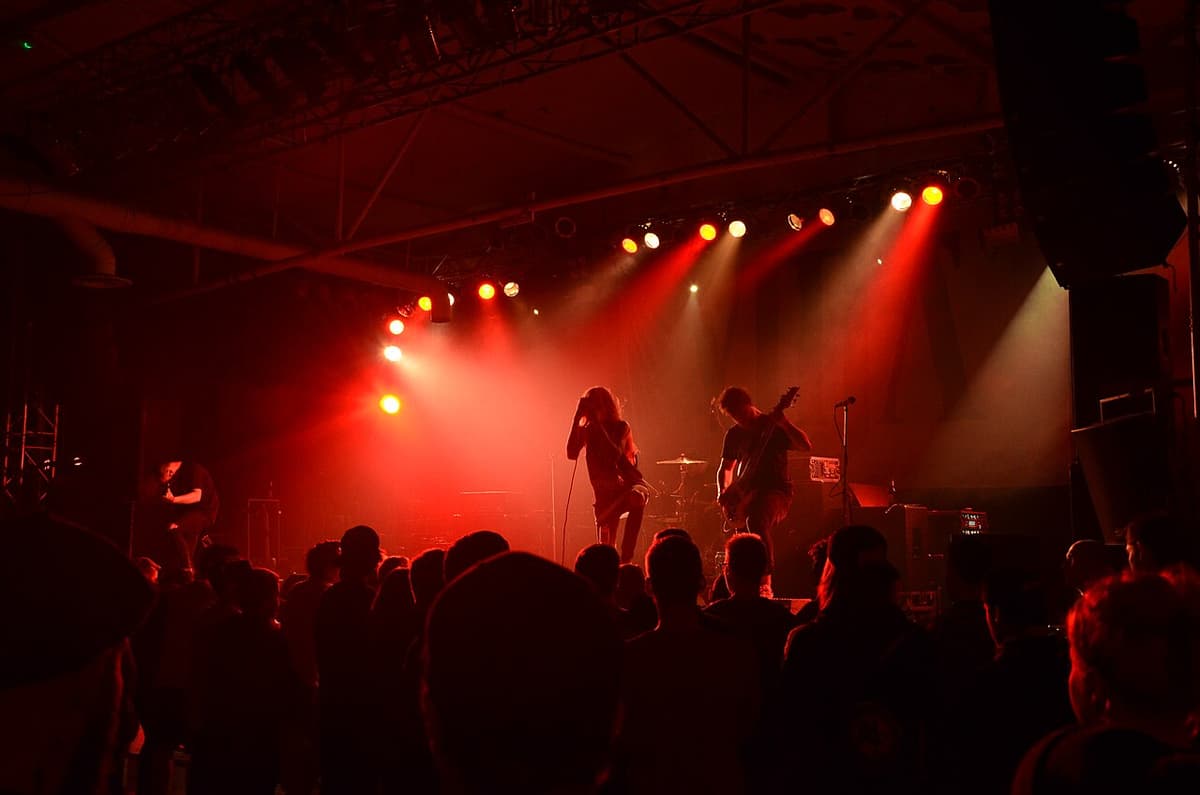
Shares djent, digital_clarity, alternative metal, cathartic (signature)
Shares djent, post-hardcore, digital_clarity, alternative metal (signature)
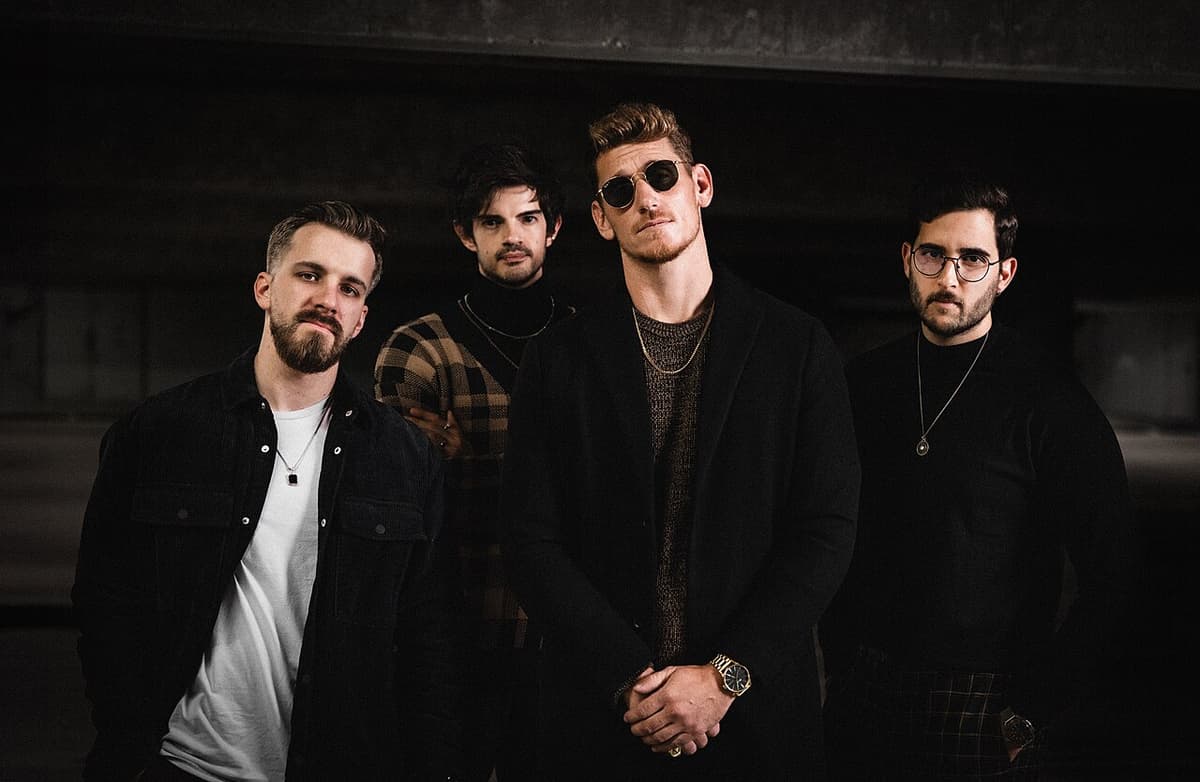
Shares djent, post-hardcore, anxious, digital_clarity (subgenre)
Shares djent, digital_clarity, alternative metal, cathartic (signature)
Shares djent, post-hardcore, alternative metal, cathartic (signature)
Shares syncopated palm-muted riffs, djent, dynamic_peaks, alternative metal (detail)
Cassette uses generative AI to enrich its catalog. How we use AI →