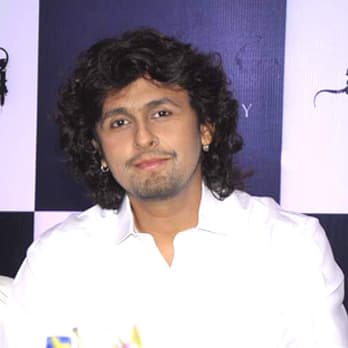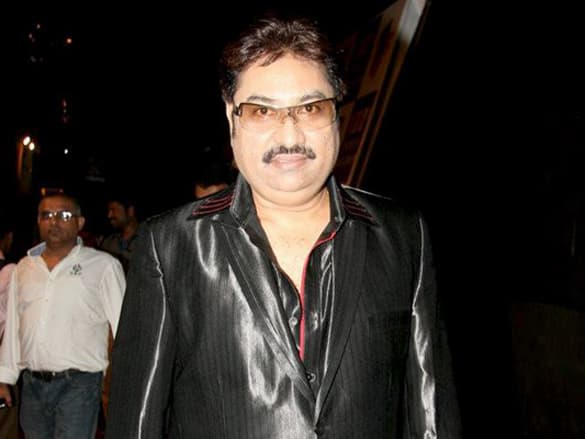
Kumar Sanu
Velvety, nostalgic Hindi ballads defined by lush 90s orchestration and a distinctively romantic croon. The definitive sound of Bollywood's golden era of melody.
Velvety, nostalgic Hindi ballads defined by lush 90s orchestration and a distinctively romantic croon. The definitive sound of Bollywood's golden era of melody.
Kumar Sanu's music is the sonic equivalent of a warm, rain-drenched evening in a bustling city. It is defined by a specific kind of lushness: sweeping string sections, soft synthesizer pads, and a rhythmic pulse that never hurries. His voice carries a natural weight and a slight nasal resonance that became the gold standard for romantic expression in Indian cinema, balancing technical precision with a deeply felt, approachable vulnerability.
What truly sets him apart is the 'Sanu-esque' phrasing: a way of sliding between notes that feels both effortless and intensely dramatic. While his peers often leaned into high-pitched theatricality, Sanu grounded the 1990s with a baritone-leaning warmth that felt intimate, as if he were singing directly to a single listener rather than a crowded theater. His ability to convey longing through subtle breath control and vibrato remains unmatched.
To understand his impact, start with the 'Aashiqui' soundtrack or his collaborations with Nadeem-Shravan. These songs aren't just tracks; they are cultural touchstones that define the feeling of first love and heartbreak for an entire generation. It is music for the quiet moments of reflection, the long drives, and the times when you need a melody to do the emotional heavy lifting for you.
Kumar Sanu (born Kedarnath Bhattacharya on 20 October 1957 ) is an Indian playback singer who gained recognition in Hindi cinema during the 1990s. He is known for his melodious voice and prolific output, recording songs in multiple languages including Hindi, Bengali, Nepali, Marathi, Tamil, Telugu, Kannada, Malayalam, Gujarati, Punjabi, Bhojpuri and Odia. Sanu gained widespread recognition with the soundtrack of Aashiqui (1990), which featured him in nearly all of the male solo songs and established him as a leading playback singer of that period. He won the Filmfare Awards for Best Male Playback Singer for five consecutive years from 1990 to 1995, for films including Aashiqui (1990), Saajan (1991), Deewana (1992), Baazigar (1993) and 1942: A Love Story (1994). In 1993, Sanu entered the Guinness World Records for recording 28 songs in a single day. Several of his songs were included in the BBC "Top 40 Bollywood soundtracks of all time". He has also appeared as a mentor and judge on television music reality shows. In recognition of his contributions to Indian music, Sanu was awarded the Padma Shri by the Government of India in 2009.
Shares traditional pop, contemporary r&b, soft rock (subgenres); romantic, nostalgic, melancholic (moods)
Shares traditional pop, contemporary r&b, soft rock (subgenres); romantic, nostalgic, bittersweet (moods)
Shares traditional pop, contemporary r&b, soft rock (subgenres); studio polished, orchestral arrangement, analog warmth (production style)
Shares traditional pop, vocal jazz, contemporary r&b (subgenres); studio polished, orchestral arrangement, analog warmth (production style)
Shares traditional pop, contemporary r&b, soft rock (subgenres); studio polished, orchestral arrangement, analog warmth (production style)
Shares traditional pop, contemporary r&b, soft rock (subgenres); studio polished, orchestral arrangement, analog warmth (production style)
Shares traditional pop, contemporary r&b, soft rock (subgenres); studio polished, orchestral arrangement, analog warmth (production style)

Shares studio polished, orchestral arrangement, analog warmth (production style); traditional pop, soft rock, vocal jazz (subgenres)
Shares traditional pop, contemporary r&b, soft rock (subgenres); studio polished, orchestral arrangement, analog warmth (production style)
Shares orchestral arrangement, crooning, violin, soft rock (signature)
Cassette uses generative AI to enrich its catalog. How we use AI →