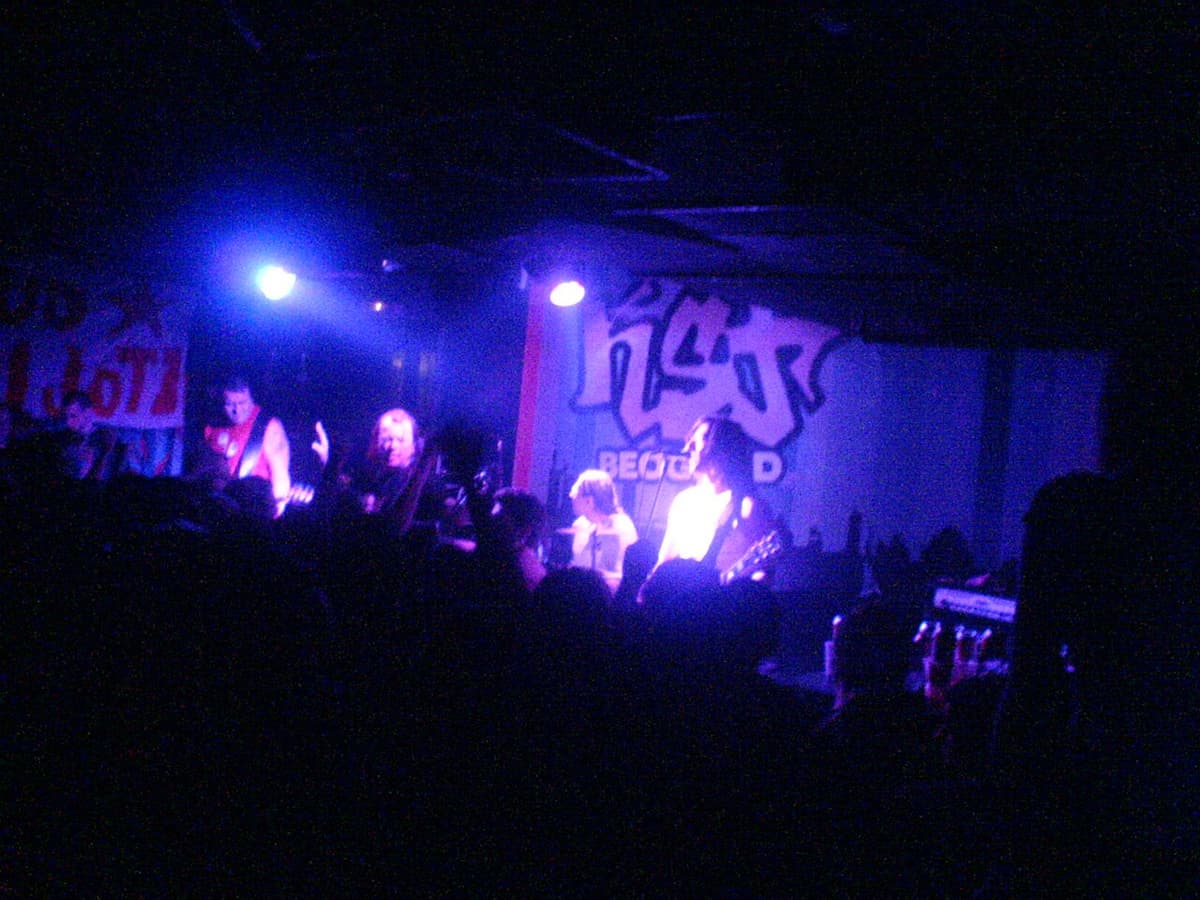
KUD Idijoti
High-energy Adriatic punk with a sharp satirical bite. Anthemic, anti-fascist, and deeply rooted in the working-class spirit of Pula. For fans of the Ramones and grit.
High-energy Adriatic punk with a sharp satirical bite. Anthemic, anti-fascist, and deeply rooted in the working-class spirit of Pula. For fans of the Ramones and grit.
KUD Idijoti deliver a brand of punk that is simultaneously aggressive and incredibly infectious. Their sound is built on the foundation of classic 1977-style punk rock, characterized by fast down-stroked guitar riffs, driving basslines, and choruses designed for a room full of people to shout in unison. It feels like the musical equivalent of a firm handshake from a shipyard worker: honest, rough around the edges, and undeniably human.
What sets them apart is their unique blend of fierce anti-fascist politics and a playful, almost mischievous sense of irony. They managed to navigate the turbulent dissolution of Yugoslavia with their integrity intact, using humor as a weapon against the absurdity of war and nationalism. Their ability to transform partisan folk songs into high-octane punk anthems created a bridge between historical struggle and modern rebellion.
To understand their legacy, start with the album 'Mi smo ovdje samo zbog para'. It captures the band at their peak of cultural relevance, blending sharp social commentary with the kind of melodic hooks that made them legends across the Balkans. It is the perfect entry point for anyone who appreciates punk that has something to say without losing its sense of fun.
KUD Idijoti was a Croatian and Yugoslav punk rock band formed in Pula in 1981. KUD in the band's name is the abbreviation for Kulturno-umetničko društvo (trans. Culture and Arts Society), a common designation for amateur folk dance and traditional music groups in Yugoslav republics, while the word Idijoti is a deliberate misspelling of Idioti (trans. Idiots). Known for their Ramones-influenced sound, their ironic social- and political-related lyrics, and their leftist and anti-fascist attitudes, KUD Idijoti were one of the most prominent acts of the Yugoslav punk rock scene, and continued to enjoy large popularity in former Yugoslav region after the dissolution of the country. The band spent initial years of activity playing smaller venues and going through lineup changes, enjoying little attention of Yugoslav media. In 1985, the band got a steady (and the best-known) lineup consisting of Saša Milovanović "Sale Veruda" (guitar, by the time the only original member of the group), Branko Črnac "Tusta" (vocals), Nenad Marjanović "Fric" (bass guitar) and Diego Bosusco "Ptica" (drums). During the following years, the band gained the attention of Yugoslav and foreign public with their EPs and live albums released through independent record labels and their energetic live performances. By the time they released their first studio album Mi smo ovdje samo zbog para in 1990, the band had already enjoyed a cult following in Yugoslavia. Although the Yugoslav Wars made a gap in their career, the group soon returned to the scene, and throughout 1990s and 2000s maintained large fanbase in all former Yugoslav republics. In 2011, the band went on hiatus due to Črnac's illness, officially disbanding following his death in 2012.
Cassette uses generative AI to enrich its catalog. How we use AI →


