Komeda sounds like a technicolor dream of the 1960s filtered through a 1990s indie lens. Their music is built on a foundation of tight, motorik rhythms and bubbling analog synthesizers, topped with Lena Karlsson's distinctive, coolly detached vocals. It is music that feels both highly structured and whimsically free, like a meticulously designed clock that occasionally decides to run backwards just for the fun of it.
What truly sets them apart is their cinematic DNA. Having started as a live accompaniment for silent films, they possess a rare ability to tell stories through texture and tempo. You will hear the angularity of Devo and the experimental spirit of Can, but it is all wrapped in a shimmering, melodic Swedish pop sensibility that makes even their most avant-garde choices feel accessible and catchy.
To get the full experience, start with 'The Genius of Komeda' or 'What Makes It Go?'. These albums capture the band at their peak, showcasing their ability to blend lounge-core sophistication with indie-rock energy. It is the perfect soundtrack for moments that require both intellectual stimulation and a steady, danceable groove.
Komeda is a Swedish pop/indie band from Umeå. They were initially called Cosma Komeda, named in honour of composer Vladimir Cosma and jazz musician and composer Krzysztof Komeda. The band started in the mid-1980s as a post-punk band influenced by bands such as Can, Devo, and The Velvet Underground, and by film soundtracks. Their first public appearance was in 1991 as a pit band for a Buster Keaton festival in their home town of Umeå. Forming as a quartet of schoolfriends, Komeda consisted of vocalist Lena Karlsson, guitarist (Lars) Henrik Andersson (Ray Wonder) (in 1994 replaced by Mattias Norlander from the band Blithe), bassist Marcus Holmberg and Holmberg's brother Jonas on drums. They increased in popularity, especially in the US, following tours with Beck and Ben Folds Five and regular MTV appearances. Reluctant to move permanently to the US to pursue further success, and grieving from the loss of their parents, the band went into hiatus following 1998's What Makes It Go? although they continued to make music for theatre during this time. During 2001 the band was reduced to a trio with the departure of Norlander as he left to work as a software engineer in Stockholm. In 2002, Marcus Holmberg joined guitarists Frans Perris and Magnus Kollberg to form the band The Most. In 2010 Jonas Holmberg launched his new project Gilles & Felix, an experimental audio/visual performance. Marcus Holmberg now lives in Stockholm and works on various music projects, including playing bass in the bands Woodlands and Dewed . Komeda provided the score music for the animated film Pettson och Findus – Kattonauten (2000). They have also recorded under the name Projektor 7, adding music to silent movies. In 2006, "Check It Out", a hidden track from the Kokomemedada album, was used in commercials for Old Navy. Simultaneously, the song "Out from the Rain" from the same album was used in a commercial for Kirby: Canvas Curse on the Nintendo DS.


Shares indie pop, art pop, chamber pop (subgenres); analog warmth, layered dense, hi fi (production style)
Shares indie pop, art pop, chamber pop (subgenres); playful, mysterious, wistful (moods)

Shares analog warmth, layered dense, studio polished (production style); indie pop, art pop (subgenres)
Shares indie pop, art pop, chamber pop (subgenres); analog warmth, layered dense, hi fi (production style)
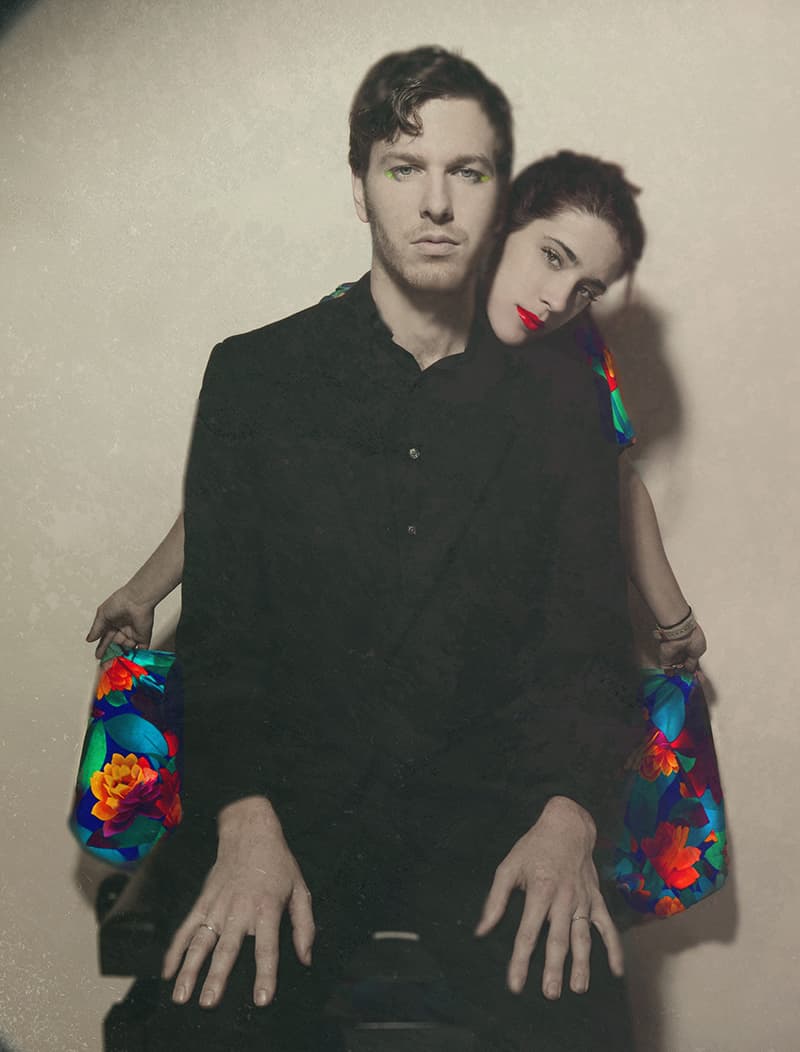
Shares indie pop, art pop, chamber pop (subgenres); analog warmth, layered dense, studio polished (production style)
Shares indie pop, art pop, chamber pop (subgenres); studio polished, analog warmth, layered dense (production style)
Shares indie pop, art pop, chamber pop (subgenres); analog warmth, layered dense, hi fi (production style)
Shares indie pop, art pop, chamber pop (subgenres); analog warmth, layered dense, hi fi (production style)
Shares indie pop, art pop, chamber pop (subgenres); analog warmth, layered dense, hi fi (production style)
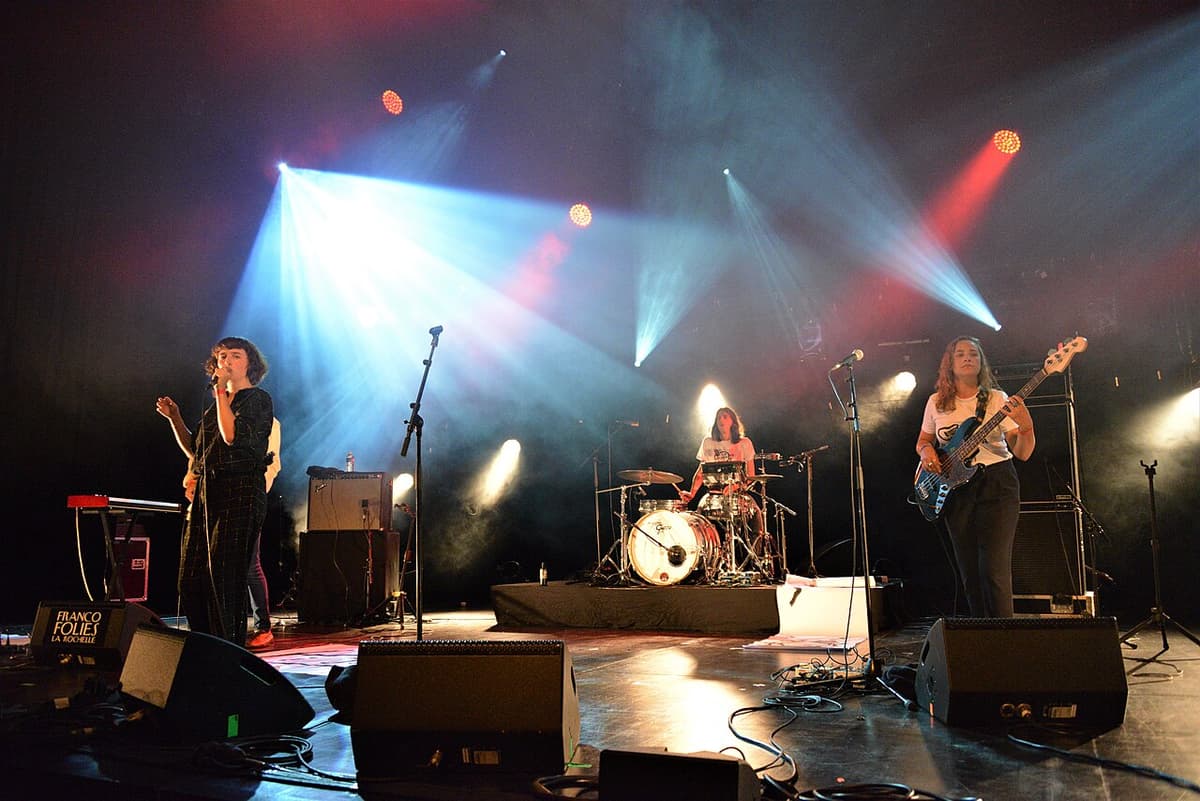
Shares indie pop, art pop, chamber pop (subgenres); analog warmth, layered dense, studio polished (production style)
Shares art pop, library, analog warmth, sunday morning (signature)
Shares art pop, playful, library, sunday morning (signature)
Cassette uses generative AI to enrich its catalog. How we use AI →