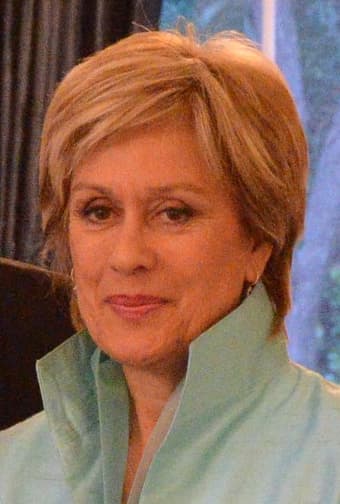
Kiri Te Kanawa
Luminous, effortless soprano vocals that feel like sunlight hitting marble. Pure, unforced classical elegance for moments of deep stillness and quiet grandeur.
Luminous, effortless soprano vocals that feel like sunlight hitting marble. Pure, unforced classical elegance for moments of deep stillness and quiet grandeur.
Listening to Kiri Te Kanawa is like watching a master calligrapher at work: every line is fluid, perfectly weighted, and seemingly effortless. Her voice possesses a unique 'creamy' quality, a full lyric soprano that avoids the shrillness often associated with the range. It is music that occupies space with a gentle but undeniable authority, favoring beauty of tone and seamless phrasing over aggressive theatricality.
What truly distinguishes her is the 'unforced' nature of her delivery. Even in the most demanding Puccini arias or Strauss lieder, there is a sense of immense reserve power that she chooses not to flaunt. This creates a deeply comforting, almost maternal warmth in her recordings, making her one of the few opera stars whose work translates perfectly to intimate home listening without overwhelming the room.
Start with her Mozart recordings, specifically 'Le nozze di Figaro', to hear the aristocratic poise that made her a global icon. For a more varied experience, her 'Portrait' album showcases the incredible breadth of her control, from sacred works to the lush romanticism that became her sonic signature.
Dame Kiri Jeanette Claire Te Kanawa (; born Claire Mary Teresa Rawstron, 6 March 1944) is a New Zealand opera singer. She has a full lyric soprano voice, which has been described as "mellow yet vibrant, warm, ample and unforced". On 1 December 1971 she was recognised internationally when she appeared as the Countess in Mozart's Le nozze di Figaro at the Royal Opera House in London. Te Kanawa received accolades in many countries, performing works composed in the 17th, 18th, 19th and 20th centuries and singing in several languages. She was particularly associated with the music of Mozart, Verdi, and Puccini and Richard Strauss, and was often cast as an aristocrat. Her extensive discography includes three albums which featured in the top forty in charts in Australia in the mid-1980s. Towards the end of her career, Te Kanawa appeared in opera only rarely, preferring to perform in concerts and recitals. She also devoted much of her time to giving masterclasses and supporting young opera singers through the period of their apprenticeship.
Cassette uses generative AI to enrich its catalog. How we use AI →


