
K.Will
Sweeping orchestral ballads and powerhouse vocals that capture the precise ache of a breakup. Cinematic, emotional, and deeply sentimental pop for quiet nights.
Sweeping orchestral ballads and powerhouse vocals that capture the precise ache of a breakup. Cinematic, emotional, and deeply sentimental pop for quiet nights.
K.Will creates music that feels like the emotional climax of a high-stakes drama. His sound is anchored by a rich, versatile voice that can move from a vulnerable, husky whisper to a glass-shattering belt within a single chorus. The instrumentation is unapologetically grand, often featuring lush string sections and emotive piano melodies that swell in tandem with his vocal performance. It is music designed to fill the room with feeling, leaning heavily into the 'sentimental ballad' tradition of South Korea.
What truly sets him apart is his technical precision as a vocal coach, which translates into a highly controlled but deeply expressive delivery. He avoids the sterile perfection of some pop vocalists by injecting a specific kind of 'han' or sorrowful longing into his phrasing. His ability to navigate complex R&B-influenced runs while maintaining the structural integrity of a traditional pop ballad gives his work a sophisticated, timeless quality that appeals across generations.
New listeners should start with his OST work or the 'The Third Album' to hear his peak commercial sound. It is the perfect soundtrack for moments of introspection, heartbreak, or simply when you want to feel the full weight of a well-crafted melody. Whether he is singing about the 'Left Heart' or 'Dropping the Tears,' the experience is always one of cathartic, beautiful sadness.
Kim Hyung-soo (Korean: 김형수; born December 30, 1981), better known by his stage name K.Will (Korean: 케이윌), is a South Korean singer. The name is a combination of the first letter 'K' of his last name 'Kim' and the English word 'Will'. He debuted in 2007 and has since become known for his chart-topping ballads. He has also been dubbed the "Prince of OST" for his frequent Korean drama soundtrack appearances. K.Will has released four full-length albums: Left Heart (2007), Missing You (2009), The Third Album (2012–2013), and The Fourth Album (2017–2018).

Shares traditional pop, contemporary r&b, vocal jazz (subgenres); studio polished, orchestral arrangement, hi fi (production style)

Shares traditional pop, contemporary r&b, vocal jazz (subgenres); studio polished, orchestral arrangement, hi fi (production style)
Shares traditional pop, contemporary r&b, vocal jazz (subgenres); studio polished, orchestral arrangement, hi fi (production style)

Shares traditional pop, contemporary r&b, chamber pop (subgenres); orchestral arrangement, studio polished, hi fi (production style)

Shares orchestral arrangement, studio polished, hi fi (production style); contemporary r&b, vocal jazz, chamber pop (subgenres)
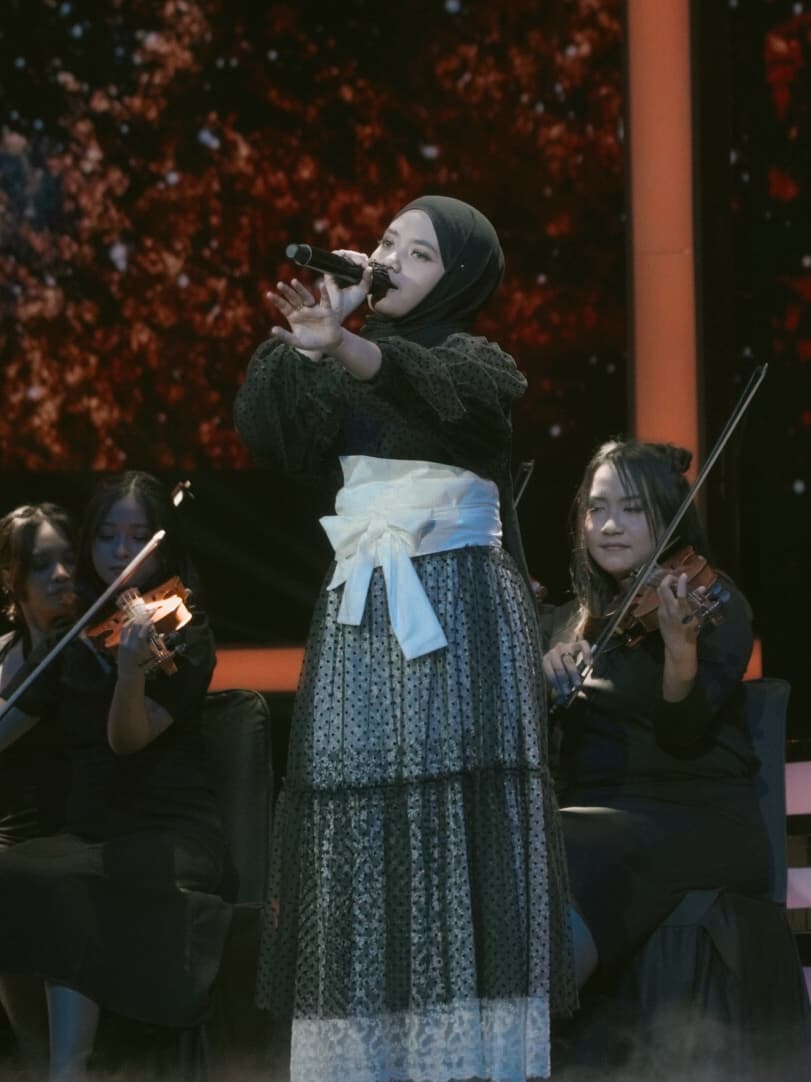
Shares traditional pop, contemporary r&b, chamber pop (subgenres); orchestral arrangement, studio polished, hi fi (production style)
Shares traditional pop, contemporary r&b, chamber pop (subgenres); orchestral arrangement, studio polished, hi fi (production style)

Shares traditional pop, contemporary r&b, chamber pop (subgenres); orchestral arrangement, studio polished, hi fi (production style)

Shares traditional pop, contemporary r&b, vocal jazz (subgenres); orchestral arrangement, studio polished, hi fi (production style)

Shares traditional pop, contemporary r&b, vocal jazz (subgenres); studio polished, orchestral arrangement, hi fi (production style)
Shares rainy day, belting, vocal jazz, sentimental (signature)
Cassette uses generative AI to enrich its catalog. How we use AI →

