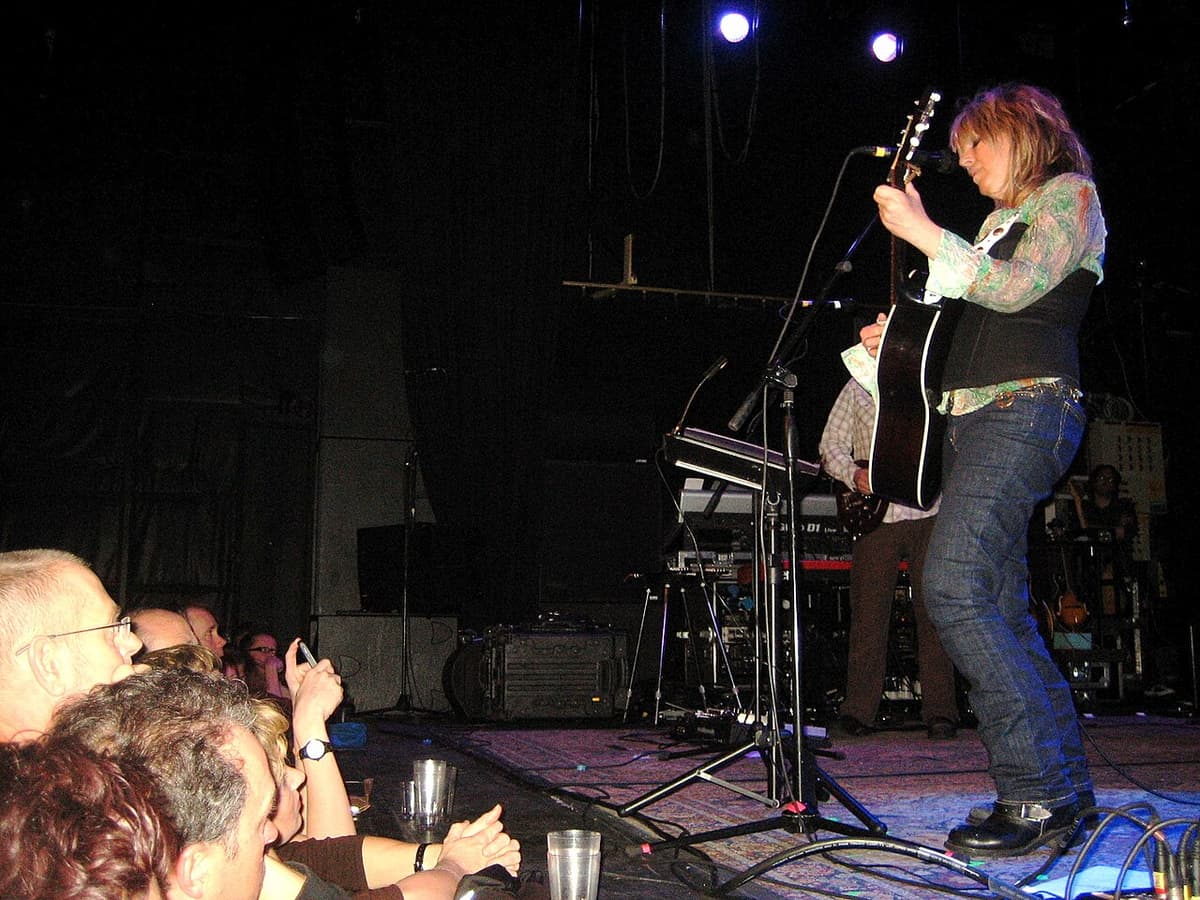
Julie Miller
Fragile, breathy vocals over warm Americana textures. It feels like a whispered confession in a quiet room, blending spiritual depth with raw, alt-country grit.
Fragile, breathy vocals over warm Americana textures. It feels like a whispered confession in a quiet room, blending spiritual depth with raw, alt-country grit.
Julie Miller’s music is a masterclass in the power of fragility. Her voice, often described as childlike or breathy, carries a surprising emotional weight that can cut through the most complex arrangements. It sounds like sunlight hitting a dusty floorboard, warm and organic, rooted in the red dirt of her Texas origins but polished by years in the Nashville songwriting scene. The instrumentation is classic Americana, featuring the gritty, tremolo-soaked guitar work of her husband Buddy Miller, which provides a sturdy backbone for her delicate melodies.
What truly distinguishes her is the way she navigates the intersection of the sacred and the profane. While her early career was rooted in contemporary Christian music, she evolved into a cornerstone of the alt-country movement. Her songwriting doesn't shy away from the darkness of grief, addiction, or brokenness, yet it always feels anchored by a profound, if sometimes weary, sense of hope. The interplay between her ethereal vocals and the earthy, often distorted guitars creates a tension that is uniquely hers.
Start with the album 'Broken Things'. It is widely considered her masterpiece, capturing a moment where her songwriting reached a peak of clarity and emotional resonance. The title track is an essential piece of American songwriting, offering a perspective on healing that feels both deeply personal and universally applicable. It’s the perfect entry point for anyone who appreciates the raw honesty of artists like Emmylou Harris or Patty Griffin.
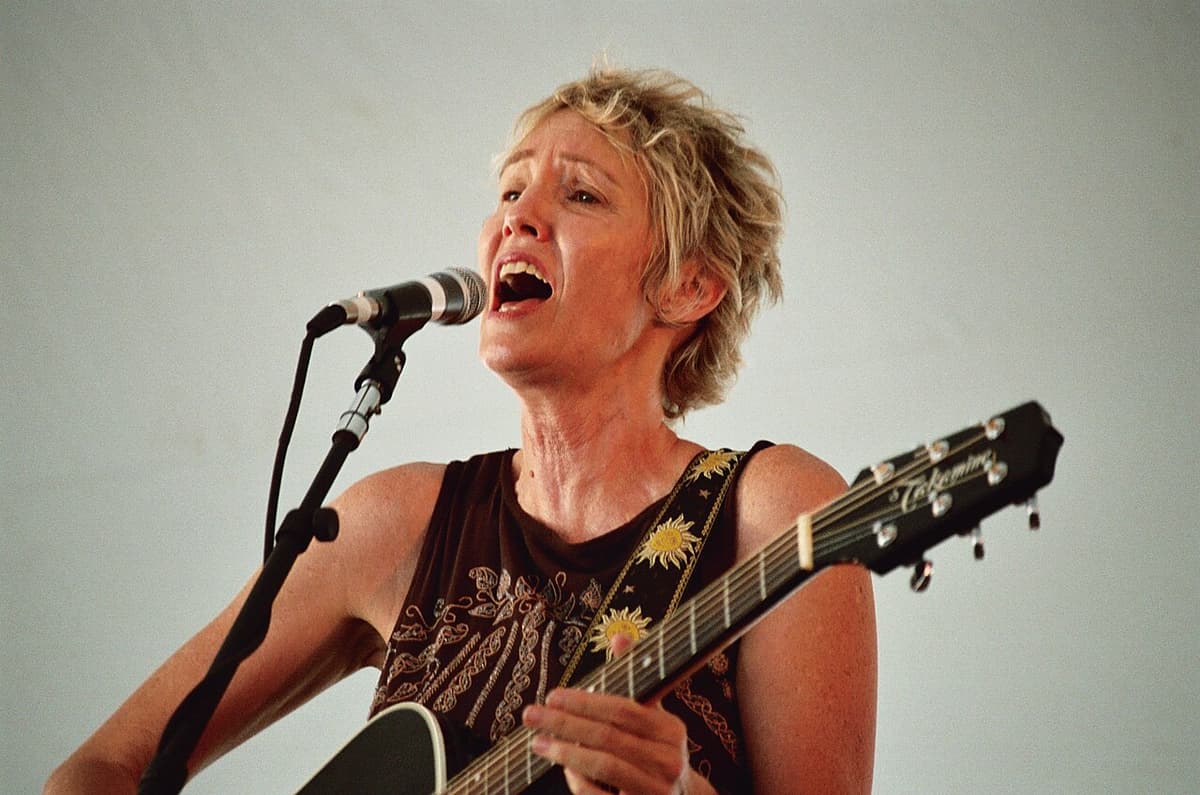
Julie Anne Miller (born Julie Griffin, July 12, 1956) is an American songwriter, singer, and recording artist living in Nashville, Tennessee. She married Buddy Miller in 1981. They sing and play on each other's solo projects and have recorded several duet albums.
Shares americana, fiddle, cabin in woods, folk rock (signature)
Cassette uses generative AI to enrich its catalog. How we use AI →