Juliane Werding offers a sophisticated take on the German Schlager tradition, moving away from simple party anthems toward something more literary and grounded. Her music often feels like a warm embrace, characterized by rich analog production, gentle acoustic guitars, and a voice that prioritizes clarity and emotional honesty over vocal gymnastics. It is the sound of a seasoned storyteller who isn't afraid to tackle difficult subjects like loss, faith, and social change.
What sets Werding apart is her intellectual and spiritual depth. While her contemporaries were often chasing the latest synth trends, she maintained a consistent focus on the narrative arc of her songs. Her hits often function as short stories set to music, delivered with a calm authority that reflects her later career in therapy and theology. There is a specific '70s and '80s warmth to her catalog that feels both nostalgic and deeply comforting.
Start with her 1972 breakthrough 'Am Tag, als Conny Kramer starb' to hear her ability to recontextualize folk melodies into poignant social commentary. For a more polished, atmospheric experience, her late '80s work like 'Jenseits der Nacht' showcases how she successfully integrated adult contemporary and synth-pop elements without losing her signature intimacy.
Juliane Werding (born 19 July 1956 in Essen) is a German singer and alternative therapy practitioner (Heilpraktiker). Her recordings include "Am Tag, als Conny Kramer starb" (1972) and "Nacht voll Schatten" (1983) (German cover of Mike Oldfield's "Moonlight Shadow") which peaked at #13 in Germany. "Am Tag, als Conny Kramer starb" is the tune of the American song "The Night They Drove Old Dixie Down" by The Band with new lyrics about a different subject. This was her sole #1 in Germany (1972). In 1975 she scored her second biggest hit, reaching #4 with Wenn du denkst du denkst dann denkst du nur du denkst. Werding racked up 23 single and 19 album entries on the German chart between 1972 and 1995. Her biggest album being 1987's Jenseits der Nacht which peaked at #8. Werding wrote several books and lives in Starnberg near Munich, where she works in alternative therapy. She has two children. In 2009, she quit show business to focus on working as a Heilpraktiker.


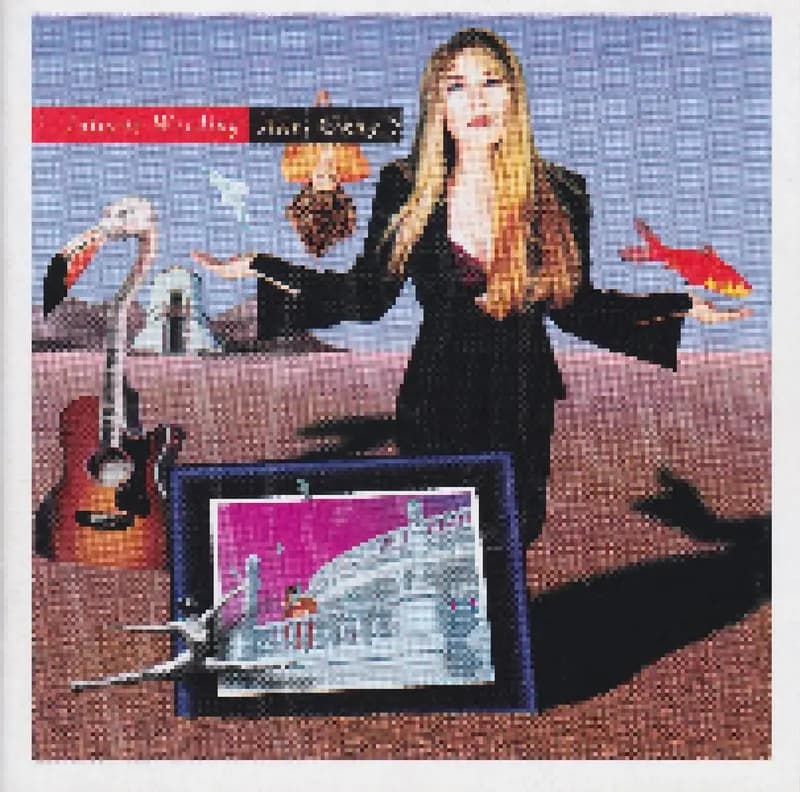



Shares studio polished, analog warmth, orchestral arrangement (production style); traditional pop, soft rock (subgenres)

Shares traditional pop, soft rock, folk rock (subgenres); studio polished, analog warmth, orchestral arrangement (production style)
Shares traditional pop, soft rock, synth-pop (subgenres); studio polished, analog warmth, orchestral arrangement (production style)

Shares studio polished, analog warmth, orchestral arrangement (production style); traditional pop, soft rock (subgenres)
Shares traditional pop, soft rock (subgenres); studio polished, analog warmth, orchestral arrangement (production style)

Shares traditional pop, soft rock (subgenres); studio polished, orchestral arrangement, hi fi (production style)
Shares traditional pop, folk rock, soft rock (subgenres); studio polished, analog warmth, orchestral arrangement (production style)

Shares studio polished, analog warmth, orchestral arrangement (production style); traditional pop, soft rock (subgenres)
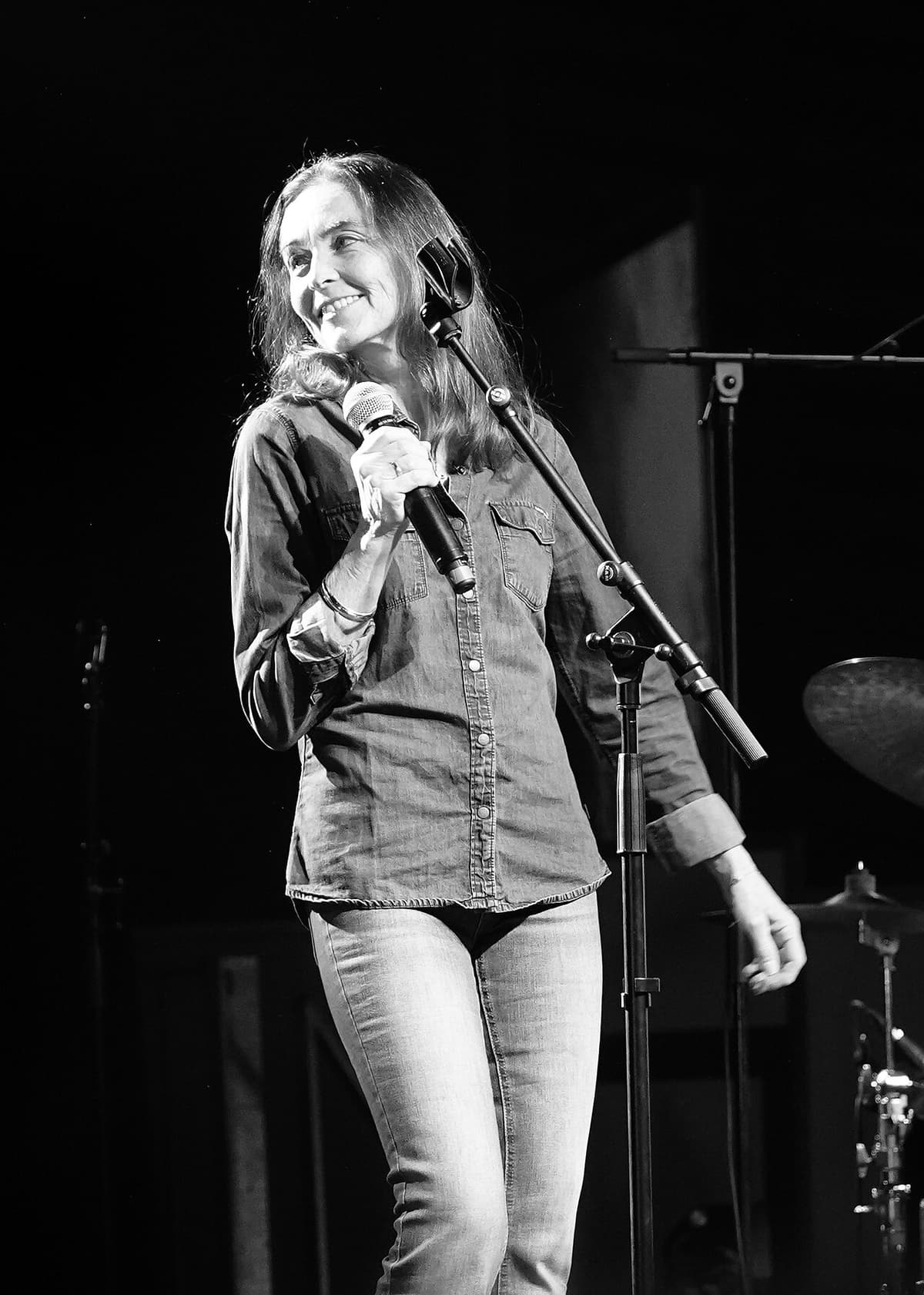
Shares studio polished, analog warmth, orchestral arrangement (production style); traditional pop, soft rock (subgenres)
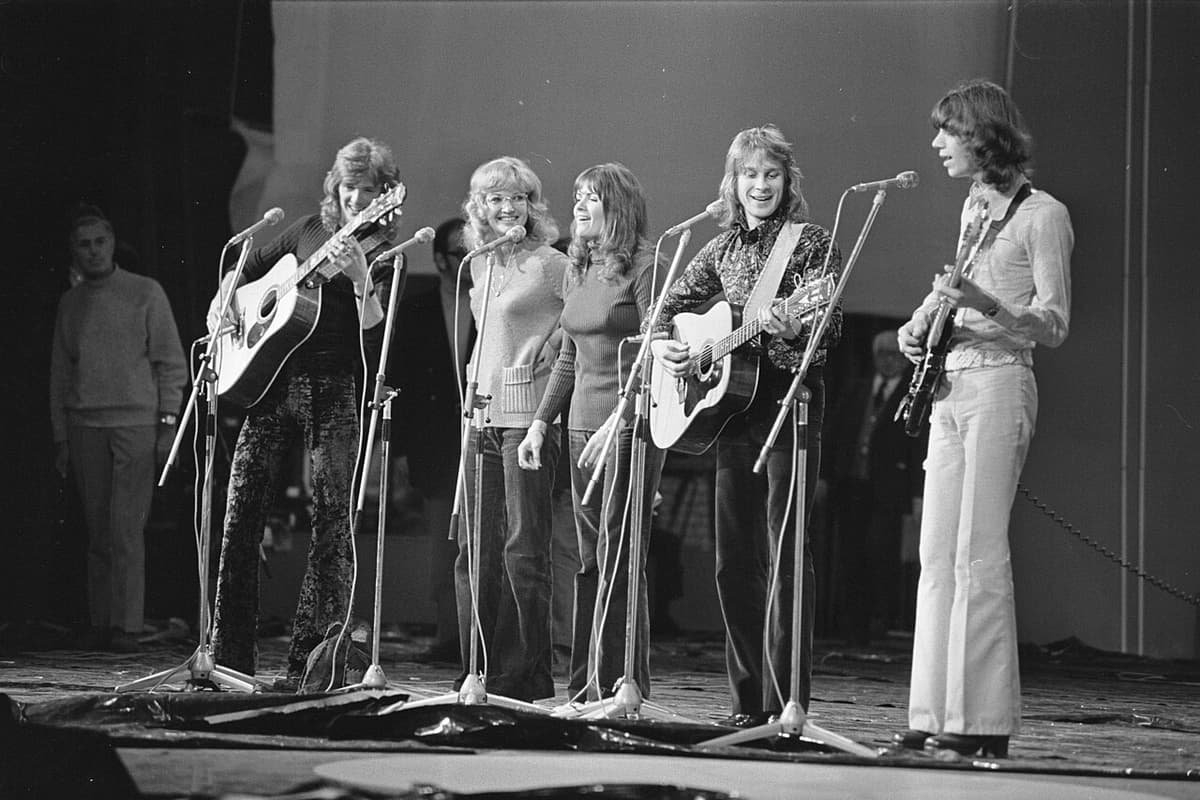
Shares traditional pop, soft rock, folk rock (subgenres); studio polished, analog warmth, orchestral arrangement (production style)
Shares narrating, traditional pop, storytelling, soft rock (signature)
Cassette uses generative AI to enrich its catalog. How we use AI →