Juliana Hatfield
Sweet, breathy vocals floating over crunchy 90s guitar riffs. The sound of college radio nostalgia and sharp, vulnerable indie rock for quiet afternoons.
Sweet, breathy vocals floating over crunchy 90s guitar riffs. The sound of college radio nostalgia and sharp, vulnerable indie rock for quiet afternoons.
Juliana Hatfield’s music is a masterclass in the tension between sugary pop sensibilities and the raw, unvarnished grit of 90s alternative rock. Her voice is famously delicate, a breathy and high-register instrument that sounds like a secret being whispered directly into your ear. Yet, this softness is almost always anchored by muscular, distorted guitar work and a driving rhythm section that keeps the songs from ever feeling too precious. It is music that feels deeply personal, like reading a diary entry that was accidentally left open on a coffee shop table.
What truly distinguishes Hatfield is her ability to marry major-key brightness with lyrics of profound isolation and self-doubt. She doesn't shy away from the awkwardness of being human, often exploring themes of sisterhood, social anxiety, and the complexities of independence. Her guitar playing is deceptively sophisticated, blending the melodicism of her pop influences like Olivia Newton-John with the jagged, aggressive energy of the Boston punk scene. This dialectic creates a sound that is simultaneously comforting and unsettling.
For those looking to dive in, the 1993 classic 'Become What You Are' is the essential entry point, capturing the height of her commercial success and her most iconic songwriting. From there, 'Hey Babe' offers a more raw look at her early solo transition, while her later covers albums reveal the deep-seated pop DNA that has always informed her work. It is the perfect soundtrack for moments of introspection or when you need a melodic hook to help process a complicated day.
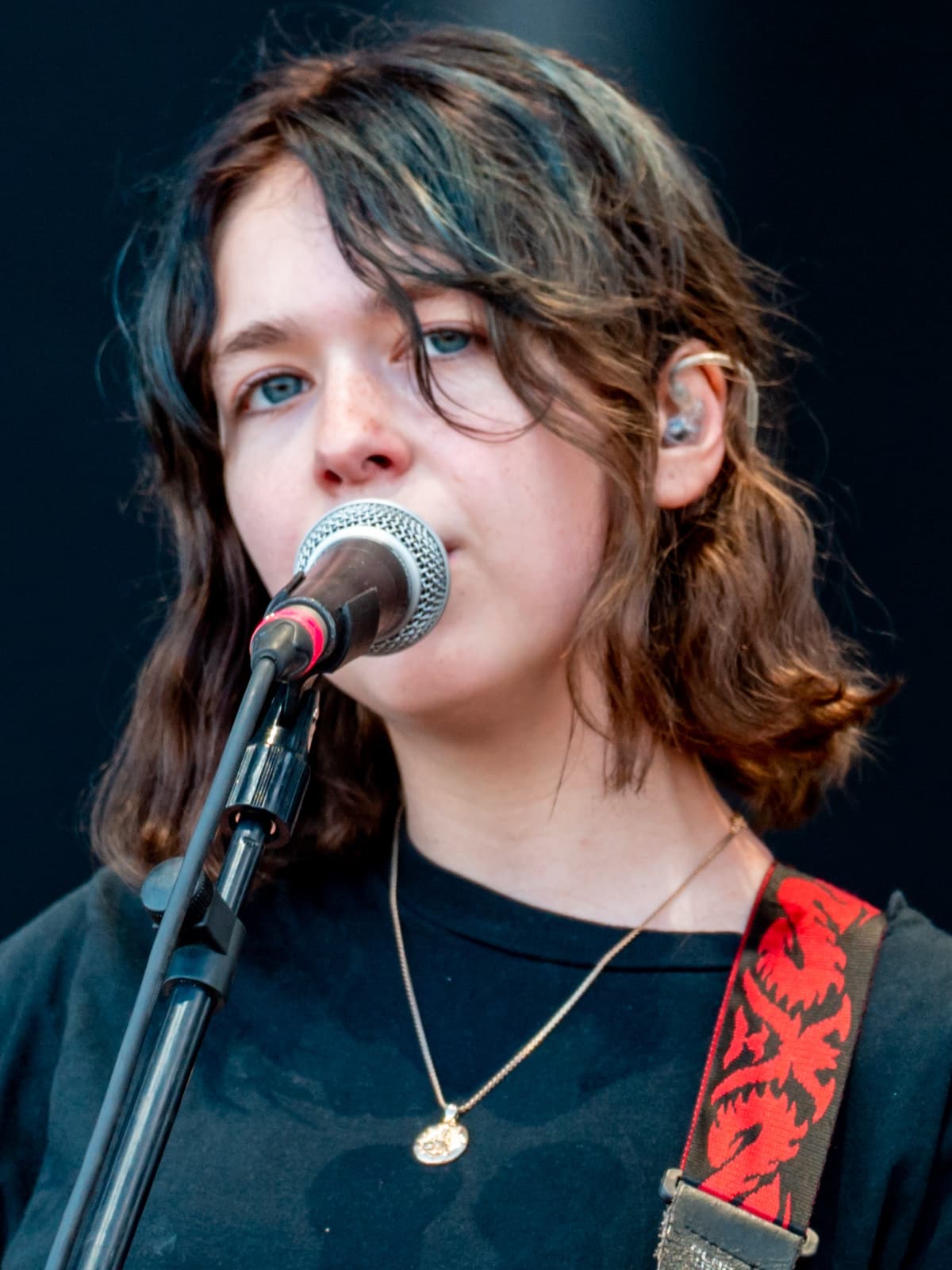
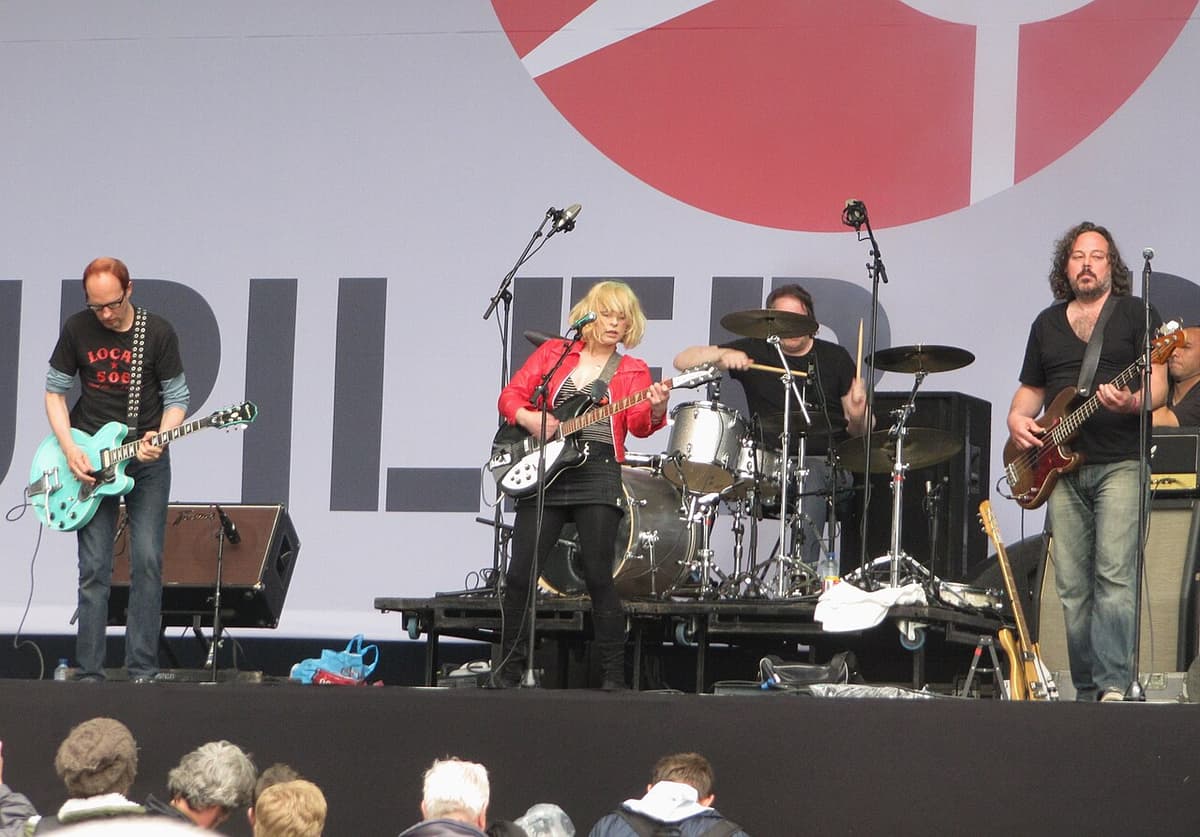
Juliana Hatfield (born July 27, 1967) is an American musician and singer-songwriter from the Boston area. She was formerly a member of the indie rock bands Blake Babies, Some Girls, and the Lemonheads. Hatfield also fronted her own band, The Juliana Hatfield Three, alongside bassist Dean Fisher and drummer Todd Philips, which was active in the mid-1990s and again in the mid-2010s. With The Juliana Hatfield Three, she achieved her best-charting work, including the critically acclaimed album Become What You Are (1993), which featured the singles "My Sister" (1993) and "Spin the Bottle". She has performed and recorded as a solo artist and as one-half of Minor Alps with Matthew Caws of Nada Surf. In 2014, she reformed The Juliana Hatfield Three and announced the release of the album Whatever, My Love in 2015. In 2016, she collaborated with Paul Westerberg under the moniker the I Don't Cares to release the album Wild Stab. She later released an album of original work titled Weird (2019), along with three albums of cover songs: Juliana Hatfield Sings Olivia Newton-John (2018), Juliana Hatfield Sings The Police (2019), and Juliana Hatfield Sings ELO (2023).
Shares indie rock, alternative rock, power pop (subgenres); breathy, gentle, deadpan (vocal style)
Shares indie rock, alternative rock, power pop (subgenres); vulnerable, bittersweet, wistful (moods)
Shares indie rock, alternative rock, power pop (subgenres); vulnerable, bittersweet, wistful (moods)
Shares indie rock, alternative rock, power pop (subgenres); analog warmth, studio polished, bedroom production (production style)
Shares indie rock, alternative rock, power pop (subgenres); bittersweet, wistful, defiant (moods)
Shares indie rock, alternative rock, power pop (subgenres); electric guitar, acoustic guitar, bass (instrumentation)
Shares indie rock, alternative rock, power pop (subgenres); analog warmth, stripped back, studio polished (production style)
Shares vulnerable, bittersweet, wistful (moods); indie rock, alternative rock (subgenres)
Shares power pop, grunge, autumn walk, indie rock (signature)
Shares power pop, grunge, stripped back, indie rock (signature)
Cassette uses generative AI to enrich its catalog. How we use AI →