Joni Mitchell
Intimate, harmonically complex folk that feels like a private conversation. Masterful songwriting built on unusual guitar tunings and deep emotional honesty.
Intimate, harmonically complex folk that feels like a private conversation. Masterful songwriting built on unusual guitar tunings and deep emotional honesty.
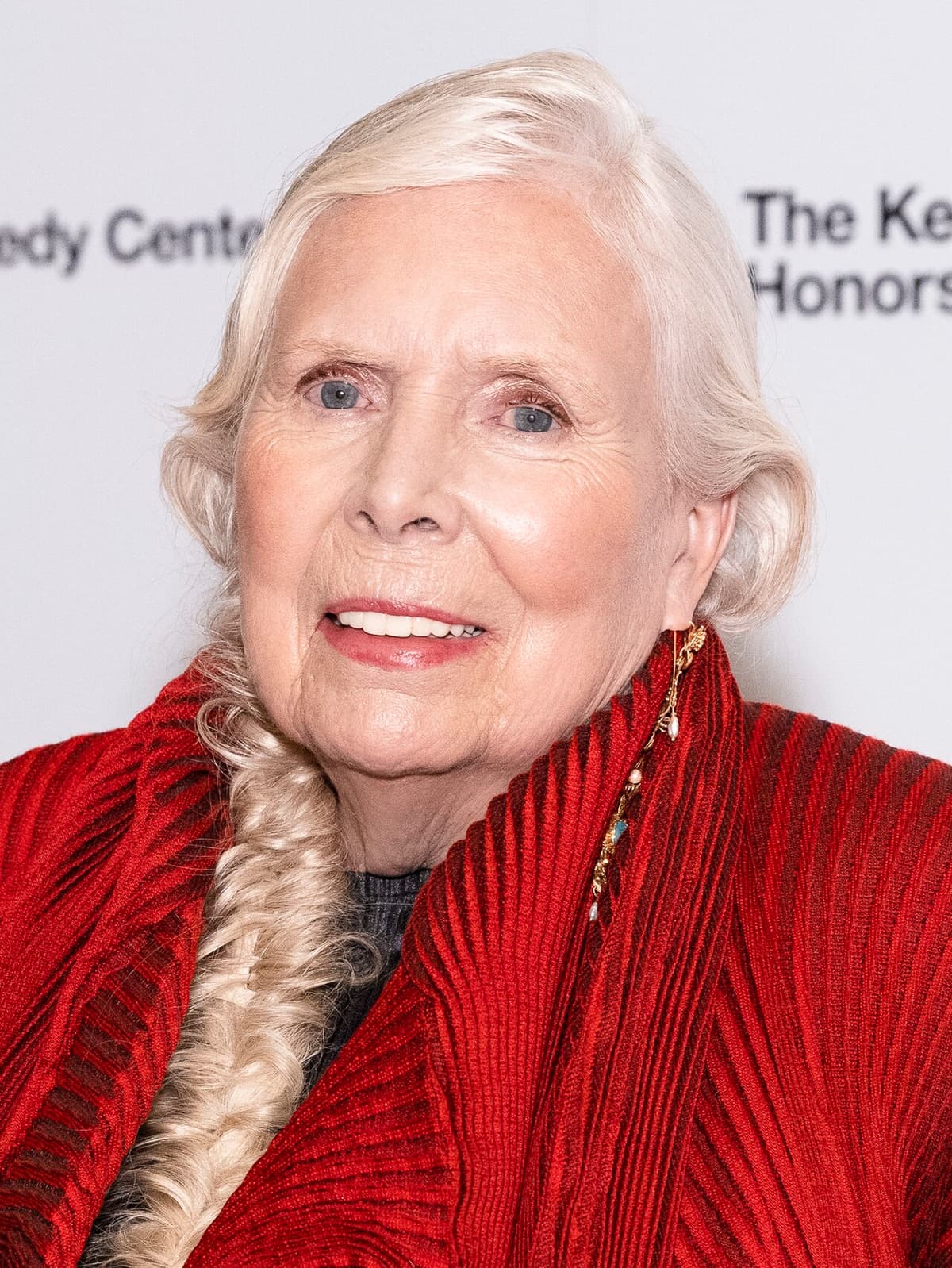
A self-described "painter derailed by circumstance," Joni Mitchell emerged from the Canadian folk circuit to become one of the most singular architects of American song.
After moving from Saskatoon to Southern California in the late 1960s, she established a starkly intimate songwriting style defined by her open-tuned guitar work and deeply personal lyricism. Over the next decade, she steadily abandoned conventional folk structures, steering her music through complex, rhythmically fluid jazz-rock collaborations with virtuosic players like Jaco Pastorius and Wayne Shorter.

Bright, unvarnished acoustic guitar chords ring out alongside a voice that climbs effortlessly into a clear, high register. Recorded mostly in a quiet Hollywood studio with just a microphone and her own hands on the strings, these ten songs feel like a private gallery of watercolor sketches. You can hear the squeak of fingers sliding on brass frets and the steady, calm breathing between lines about cold city mornings, fleeting lovers, and Saskatchewan wildflowers.

Bright sunlight hits the polished wood of a Laurel Canyon living room, catching the dust motes floating over a newly purchased grand piano. This is the exact pivot where acoustic folk grew up, trading the breezy, outdoor fields of the sixties for the intimate, complex warmth of indoor spaces. Cellos and woodwinds now curl around the bright steel-string guitar, mirroring the sophisticated, conversational weight of the lyrics. You can hear the front door swinging open, welcoming friends into a shared sanctuary of tea, watercolor paints, and late-night harmonies. It is the sound of a brilliant writer finally finding her home.

A cellophane soul, stripped of all defenses
A bare Appalachian dulcimer plucks against the silence, rewriting the entire gravity of the solo voice. This is the precise moment acoustic folk abandoned its polite, poetic distance to become a raw, unprotected confession. By shedding every layer of studio armor, these ten songs perfected a school of songwriting where vulnerability is not a performance, but an absolute exposure of the nerves. You do not merely listen to these stark piano chords and fragile vocal leaps; you inhabit a space where a soul has been scraped clean of all defenses. It remains the definitive blueprint for how much truth a song can hold.

A sudden, cool breeze swept through the warm dust of Laurel Canyon when these eleven tracks introduced a sleek, urban jazz-pop architecture to the solitary acoustic guitar. This is the precise threshold where confessional folk transformed into a brilliant, widescreen orchestration of adult desire. By inviting the LA Express to anchor her fluid melodies, she did not just polish her sound; she traded the vulnerable isolation of her youth for the sharp, sophisticated armor of a modern woman navigating the city. You are no longer sitting on a bedroom floor, but riding shotgun through a glittering, complicated California night.

A low, synthetic hum of a Moog synthesizer replaces the familiar warmth of an acoustic guitar, signaling a sharp turn into the manicured, suffocating quiet of the suburbs. This record marks the precise point where folk-rock intimacy was traded for a cool, jazz-infused detachment, capturing the disillusionment of modern womanhood through biting, cinematic vignettes. Backed by the slick, polyrhythmic grooves of the L.A. Express, the arrangements feel both lush and deeply cynical. You are no longer listening to private confessions, but rather observing a brilliant observer decode the gilded cages of mid-century domesticity with clinical, devastating precision.

Highway-weary jazz-folk, fluid with fretless bass
The low hum of tires on asphalt dissolves into the liquid, sliding growl of a fretless bass, marking the exact boundary where folk confession became avant-garde jazz. This is the sound of a highway seen through a windshield smeared with rain and regret, a transitional masterpiece that traded acoustic intimacy for the vast, open-tuned architecture of the American road. By anchoring her restless guitar chords to Jaco Pastorius’s elastic, conversational low end, she perfected a new language for the solitary traveler. You are no longer listening to songs; you are riding shotgun through the cold, brilliant geography of a brilliant mind in motion.

A low, woody hum of fretless bass drifts through these late-night songs, settling beneath a voice that has grown deeper, darker, and more weathered with the years. You are placed in a quiet room smelling of damp oil paint and rain, listening to acoustic chords that ring out with a cold, metallic ache. It is a stark, observant record that offers no easy comfort, only the steady, hypnotic pulse of someone watching a troubled world from a high window.
Now entering her ninth decade, the songwriter has transitioned from a long period of quiet retirement into an unexpected, triumphant return to the stage.
Her vast body of work stands not as a tidy folk archive, but as an uncompromising blueprint for harmonic independence and absolute creative autonomy. Whether navigating her legendary seventies run or her weathered, orchestral late-career chapters, she remains the ultimate architect of her own musical terms.
Cassette uses generative AI to enrich its catalog. How we use AI →