Iskra (Sweden) was a pivotal collective in the Swedish 'progg' and jazz scenes of the 1970s. Formed in 1971 by Allan Olsson and Sune Spångberg, the group was a cornerstone of the 'Open Music' series at Teater 9 in Stockholm.
Their sound identity is defined by a rejection of traditional jazz hierarchies in favor of total collective improvisation and the inclusion of non-Western musical elements, particularly Turkish and African rhythmic influences. This was partly due to their proximity to figures like Mongezi Feza and the group Sevda. Throughout their career, they maintained a strong political undercurrent, viewing the democratic nature of free improvisation as a reflection of their Bolshevik-inspired namesake. Critically, they are regarded as one of the most important groups in European free jazz for their ability to blend avant-garde techniques with a warm, organic accessibility. Their work on labels like Caprice Records remains a high-water mark for the intersection of jazz, folk, and experimental theater music.

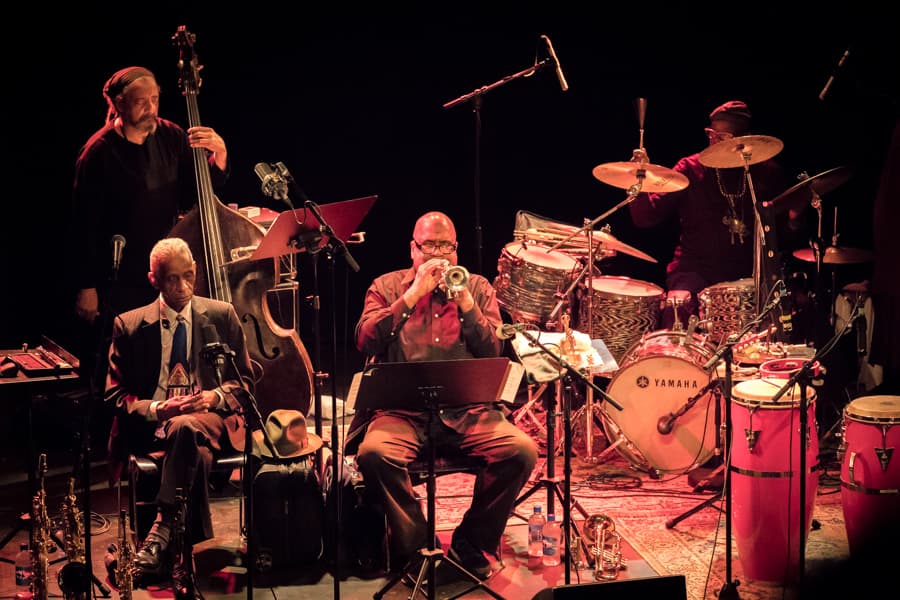
Shares free jazz, spiritual jazz, avant-garde jazz, saxophone (signature)
Shares free jazz, spiritual jazz, avant-garde jazz, saxophone (signature)
Shares free jazz, spiritual jazz, avant-garde jazz, percussion (subgenre)
Shares free jazz, spiritual jazz, avant-garde jazz, percussion (subgenre)
Shares free jazz, avant-garde jazz, saxophone, instrumental_only (subgenre)
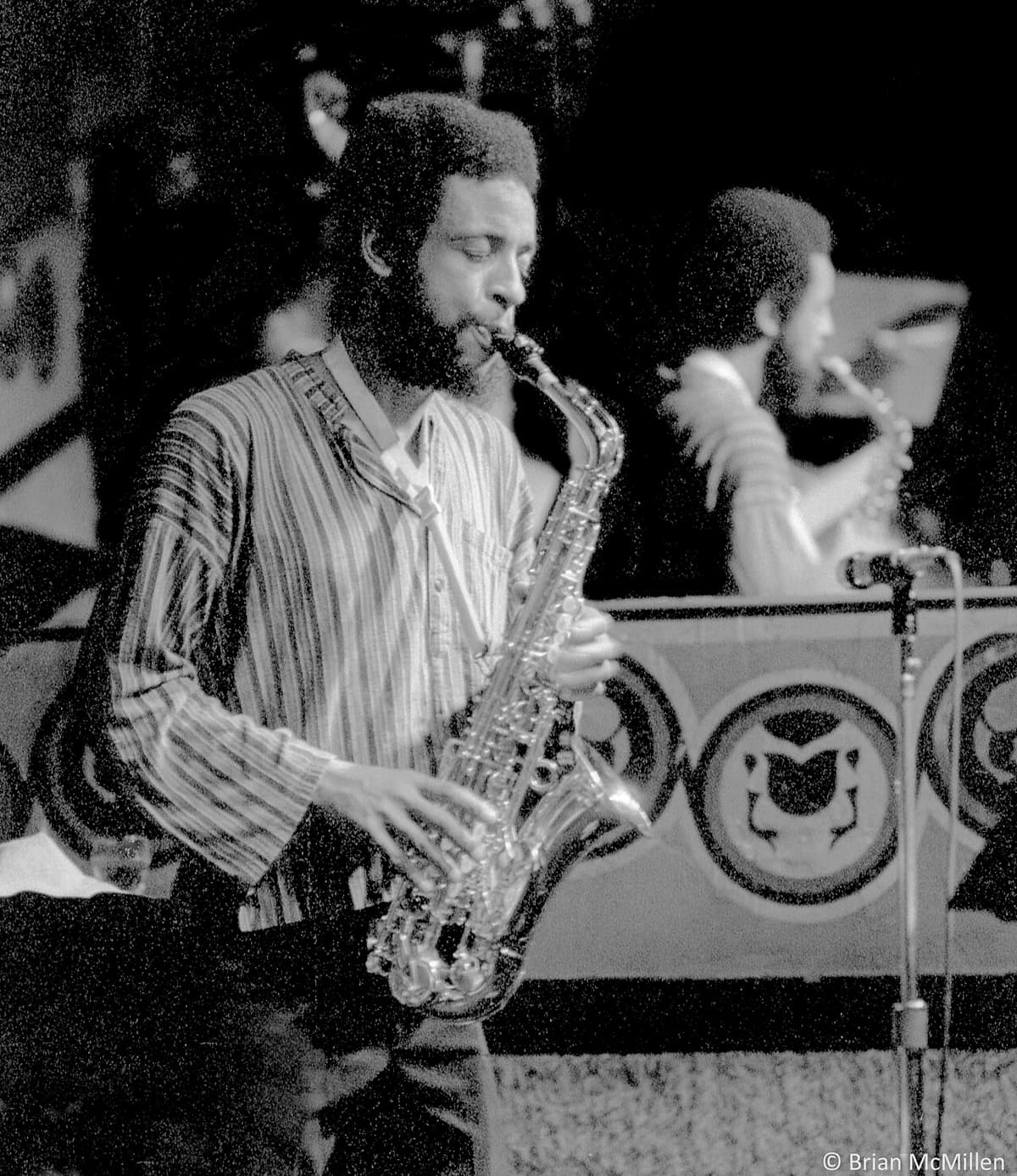
Shares free jazz, avant-garde jazz, forest, instrumental_only (signature)
Cassette uses generative AI to enrich its catalog. How we use AI →