Hurriganes sounds like a vintage muscle car screaming down a Finnish backroad at midnight. It is the sound of the 1950s filtered through the grit and volume of the 1970s, stripped of any polite artifice. The music is anchored by Remu Aaltonen's driving, primitive drumming and his uniquely rhythmic, gravelly vocals, which often treat the English language as a series of percussive sounds rather than literal prose.
What makes them distinctive is the sheer technical ferocity of the guitar work, particularly during the Albert Järvinen eras, paired with a 'no-nonsense' pub rock attitude. While their contemporaries were drifting into progressive rock or folk, Hurriganes doubled down on the fundamental power of the riff and the shuffle. There is a palpable sense of danger and sweat in their recordings that feels more like a live performance than a studio product.
Start with the 1974 masterpiece 'Roadrunner'. It is widely considered the definitive Finnish rock album for a reason; from the iconic cover art to the blistering title track, it captures a band at the absolute peak of their powers, proving that rock and roll is a universal language that needs no translation.
Hurriganes was a Finnish rock band that was formed in the early 1970s. They were very popular in Finland, Sweden and Estonia in the 1970s and early 1980s, as well as a popular live act in Sweden during this time. Their classic line-up consisted of Remu Aaltonen, Albert Järvinen, and Cisse Häkkinen. The misspelling of the name ("Hurriganes" with a "g") is intentional. Their style of music is very much of a nostalgic, pre-Beatles, roots rock'n'roll orientation. During their "classic" period, the band's output consisted largely of revved-up cover versions of well-known 1950s rock 'n' roll songs, in addition to their own original material. In this sense, Hurriganes can be viewed as Finland's answer to British pub rock performers of the 1970s like Dave Edmunds and Dr. Feelgood. The founding members were drummer and vocalist Henry "Remu" Aaltonen, bassist Hugo Christer "Cisse" Häkkinen and guitarist Ilkka "Ile" Kallio. Kallio temporarily quit the band in the spring of 1972, being replaced by guitarist Pekka "Albert" Järvinen who was part of the band's most famous line-up.


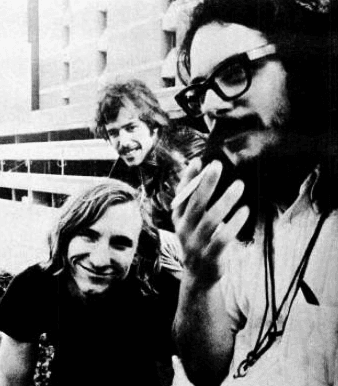
Shares live recording, analog warmth, minimalist (production style); energetic, rebellious, confident (moods)
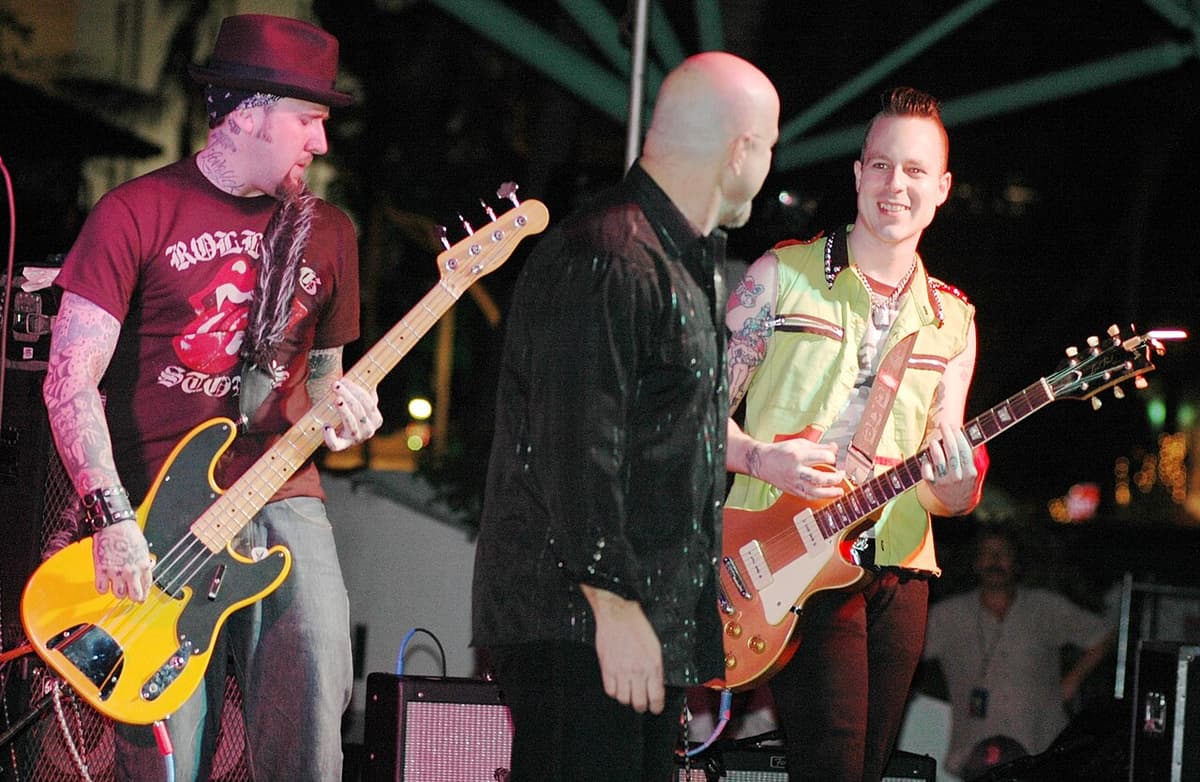
Shares blues rock, classic rock (subgenres); raspy, intense, gravelly (vocal style)

Shares blues rock, classic rock (subgenres); live recording, analog warmth, dry intimate (production style)
Shares blues rock, classic rock, rockabilly (subgenres); energetic, rebellious, confident (moods)
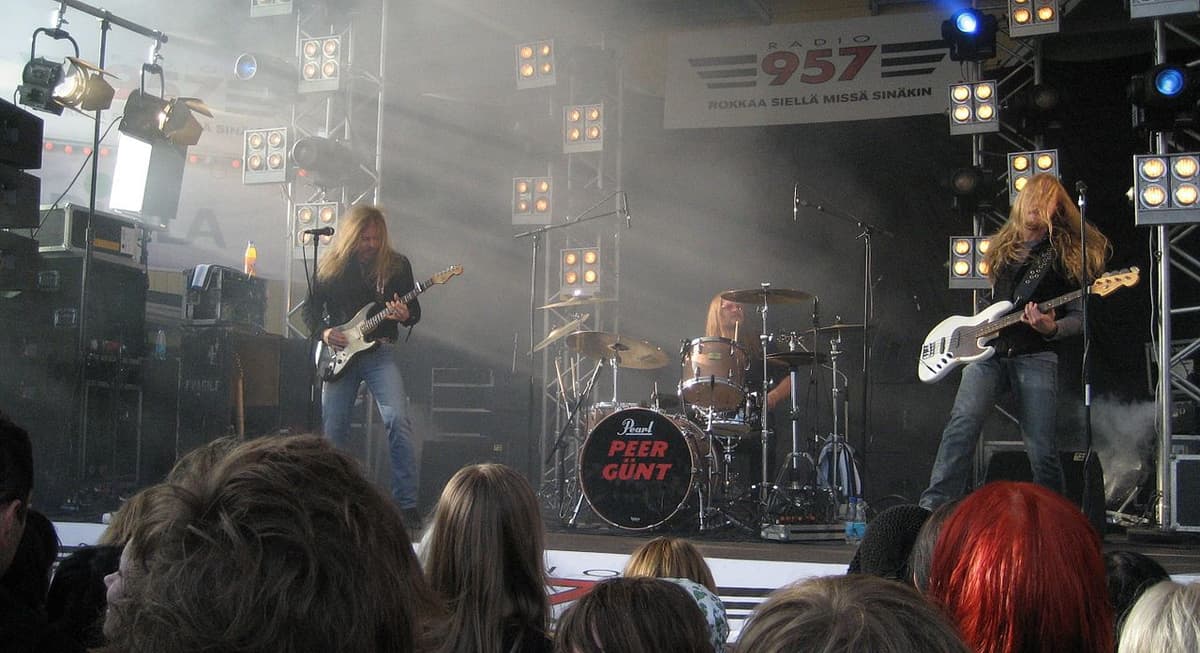
Shares energetic, rebellious, confident (moods); blues rock, classic rock, rockabilly (subgenres)
Shares rockabilly, blues rock (subgenres); energetic, rebellious, confident (moods)
Shares live recording, analog warmth, dry intimate (production style); road trip, dive bar, basement show (atmosphere)
Shares road trip, rockabilly, blues rock, rebellious (signature)
Cassette uses generative AI to enrich its catalog. How we use AI →