Hubert‐Félix Thiéfaine
Gritty French rock meets surrealist poetry. A cult legend's world of dark humor, literary depth, and late-night cynicism for those who prefer the shadows.
Gritty French rock meets surrealist poetry. A cult legend's world of dark humor, literary depth, and late-night cynicism for those who prefer the shadows.
Listening to Thiéfaine feels like entering a smoky, underground club where the poet laureate is a disillusioned rocker. The sound is rooted in classic rock and blues structures, but it is constantly subverted by a restless, avant-garde spirit. It is music that feels heavy with history and literature, yet remains fundamentally gritty and street-level. There is a specific weight to the arrangements that grounds his more flights-of-fancy lyrical moments.
What truly sets him apart is the lyrical density. He weaves together scientific terminology, Latin phrases, and gutter-slang into a seamless stream of consciousness. It is a world of beautiful decay where religious trauma meets drug-fueled hallucinations. His voice, a weathered baritone, delivers these complex lines with a mix of detached cynicism and sudden, raw intensity that demands the listener's full attention to decode the layers of meaning.
Start with 'Tout corps vivant branché sur le secteur étant appelé à s'émouvoir' or the live 'En concert à Bercy' to understand his massive cult appeal. These recordings capture the perfect balance between his early folk-rock madness and the more polished, atmospheric rock of his later career. It is the ideal entry point for anyone who values lyrics as much as a distorted guitar riff.
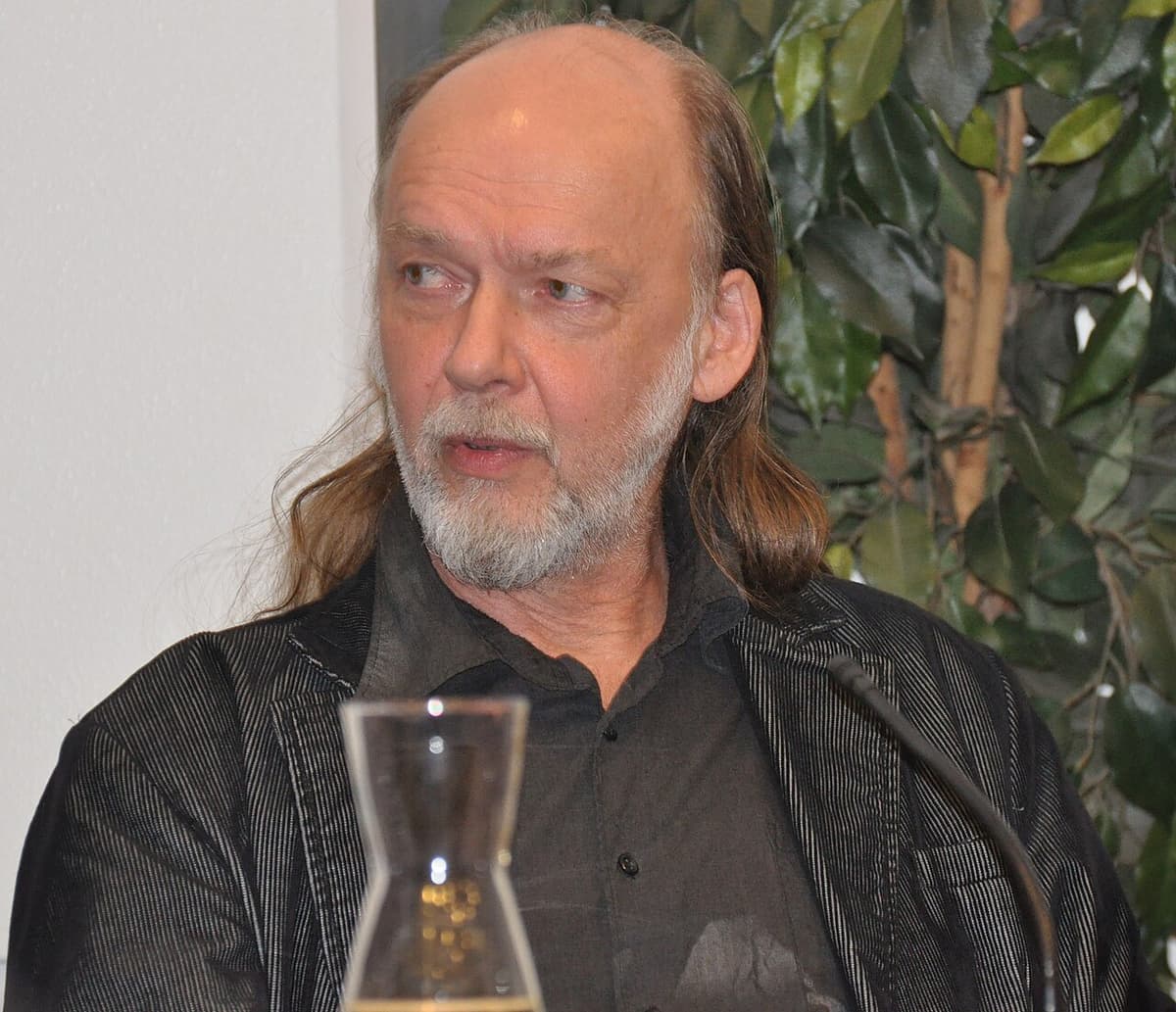
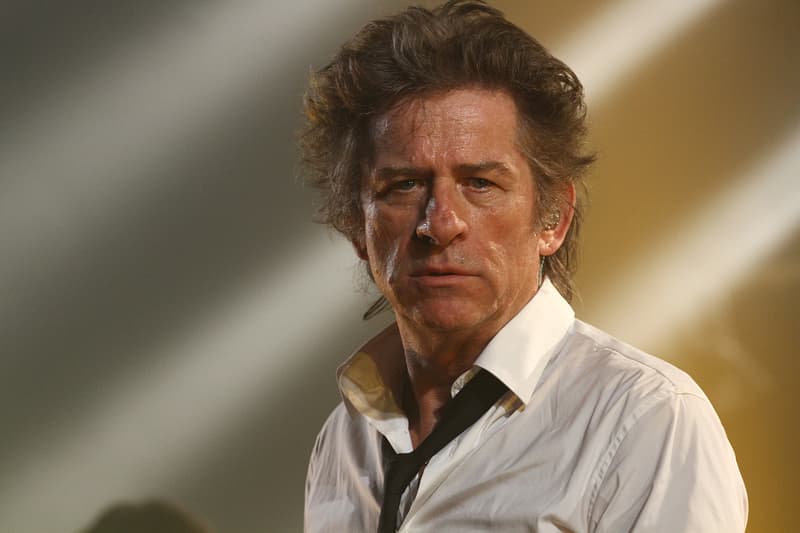
Hubert-Félix Thiéfaine (French pronunciation: [ybɛʁ feliks tjefɛn]) is a French pop-rock singer and songwriter. He was born on 21 July 1948 in the town of Dole in the Jura département. Mostly shunned by television and radio, he has built over the years – through word of mouth and frequent touring – a considerable following which allowed him to fill the 17,000-seater Palais omnisports de Paris-Bercy for an anniversary concert in 1998. In recent years he has been increasingly name-dropped as an influence by the latest generation of performers in France, and was the subject of a tribute album of covers in 2002. He has been performing since the late 1960s and releasing records since 1978. Musically, Thiéfaine draws mostly from classic rock, with rare nods to the latest musical trends, and generally leaves the arranging to a collaborator. His songs are most notable for instantly recognisable lyrics, with their trademark streams of consciousness, surreal and often extreme or dark imagery, often tinged with comedy, cynicism, literary references, neologisms and liberal use of scientific, long or foreign words. The lyrical mayhem sometimes spreads into comically long song titles, such as Enfermé dans les cabinets (avec la fille mineure des 80 chasseurs), or Exercice de simple provocation avec 33 fois le mot "coupable". His education in a Catholic boarding school has also left deep traces which surface in his lyrics in the form of biblical quotations and cheerfully blasphemous lyrics. His avowed influences include Léo Ferré, Lou Reed, Bob Dylan, Jim Morrison and many French, Anglophone and German novelists and poets, with a preference for romantic literature.
Shares alternative rock, art rock, psychedelic rock (subgenres); analog warmth, layered dense, studio polished (production style)
Shares blues rock, art rock, psychedelic rock (subgenres); analog warmth, live recording, studio polished (production style)
Shares alternative rock, art rock, blues rock (subgenres); brooding, rebellious, bittersweet (moods)
Shares alternative rock, art rock, psychedelic rock (subgenres); analog warmth, layered dense, studio polished (production style)
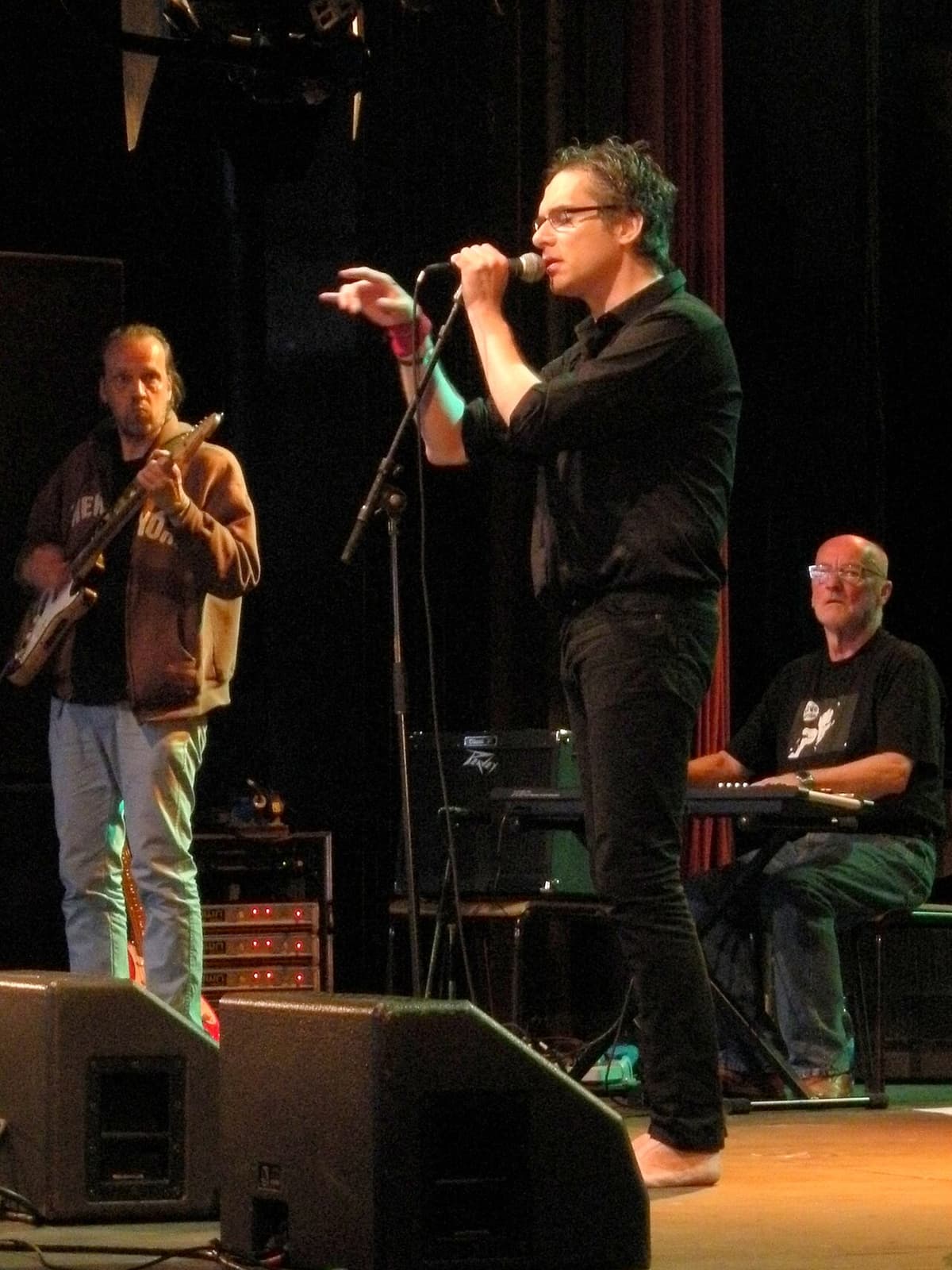
Shares alternative rock, art rock, blues rock (subgenres); live recording, analog warmth, studio polished (production style)
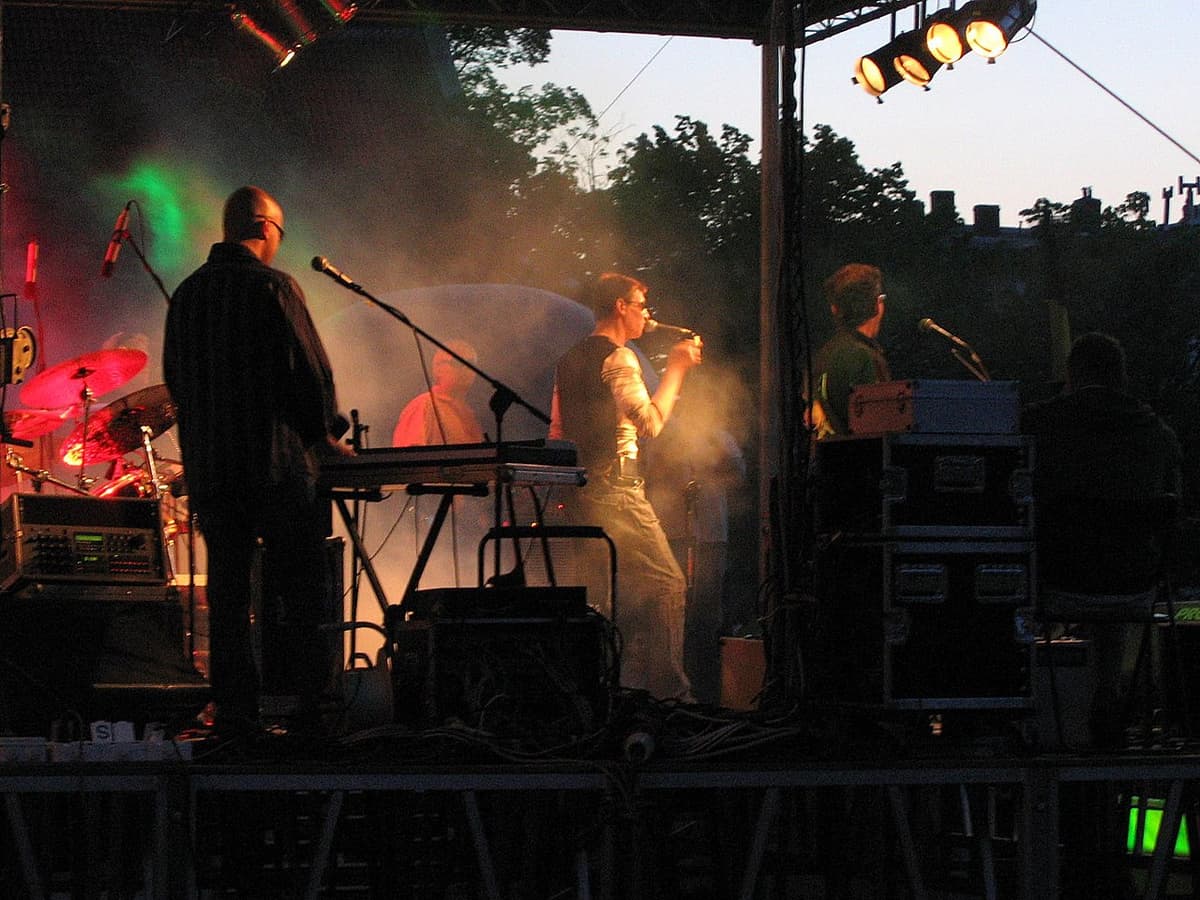
Shares alternative rock, art rock, psychedelic rock (subgenres); brooding, mysterious, rebellious (moods)
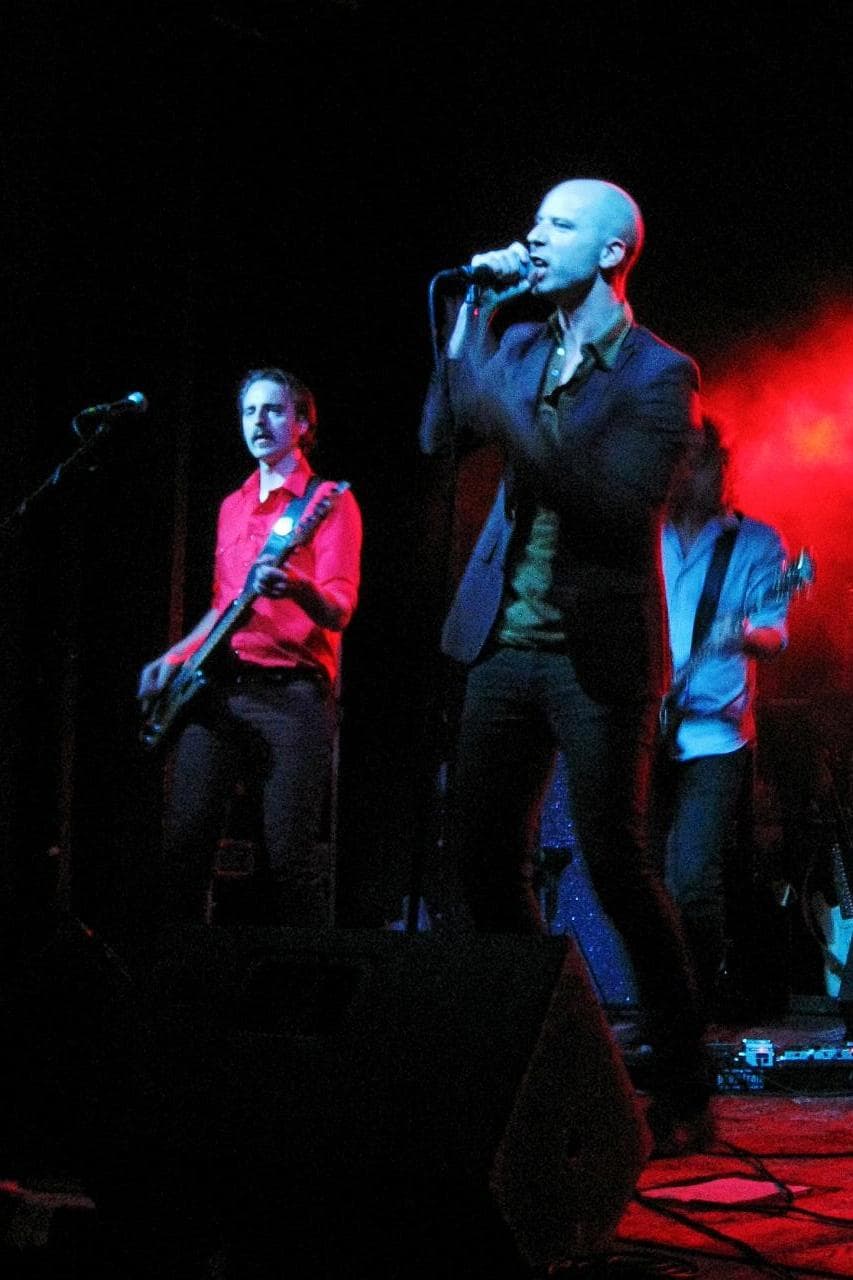
Shares alternative rock, art rock, blues rock (subgenres); urban night, dive bar, midnight (atmosphere)
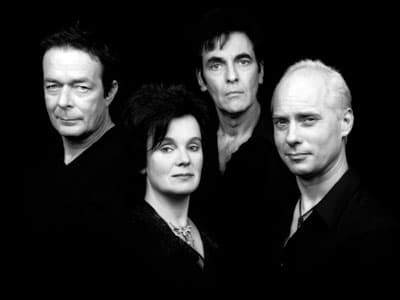
Shares analog warmth, studio polished, live recording (production style); urban night, rainy day, dive bar (atmosphere)
Cassette uses generative AI to enrich its catalog. How we use AI →