This is the sound of the future as imagined in 1983. It is defined by the sharp, metallic snap of the Roland TR-808 drum machine and eerie, winding synthesizer lines that feel both ancient and space-age. The music carries a relentless, driving energy that demands movement, characterized by its sparse but heavy arrangements that leave plenty of room for the rhythm to breathe.
What makes Hashim stand out is the marriage of raw Bronx hip-hop sensibility with a cold, European electronic aesthetic. While contemporaries were leaning into disco-inflected R&B, Hashim stripped the sound down to its robotic essentials. The use of the vocoder and the specific, haunting minor-key melodies created a 'cyberpunk' atmosphere before that term was even widely used in music.
Start with the legendary track 'Al-Naafiysh (The Soul)'. It is the definitive electro anthem, featuring a bassline and drum pattern that have been sampled hundreds of times. It perfectly encapsulates the transition from early hip-hop into the electronic dance music that would eventually become techno and house.
Gerald C. Calliste Jr. (born November 26, 1965), also known as Hashim, is an American entrepreneur, producer, songwriter, publisher, and former DJ who is best known for the hip hop, electro, and dance music song "Al-Naafiysh (The Soul)" (1983).[1]

Shares funk, boom bap (subgenres); drum machine, analog warmth, minimalist (production style)


Shares energetic, mysterious, confident (moods); funk, synth-pop (subgenres)
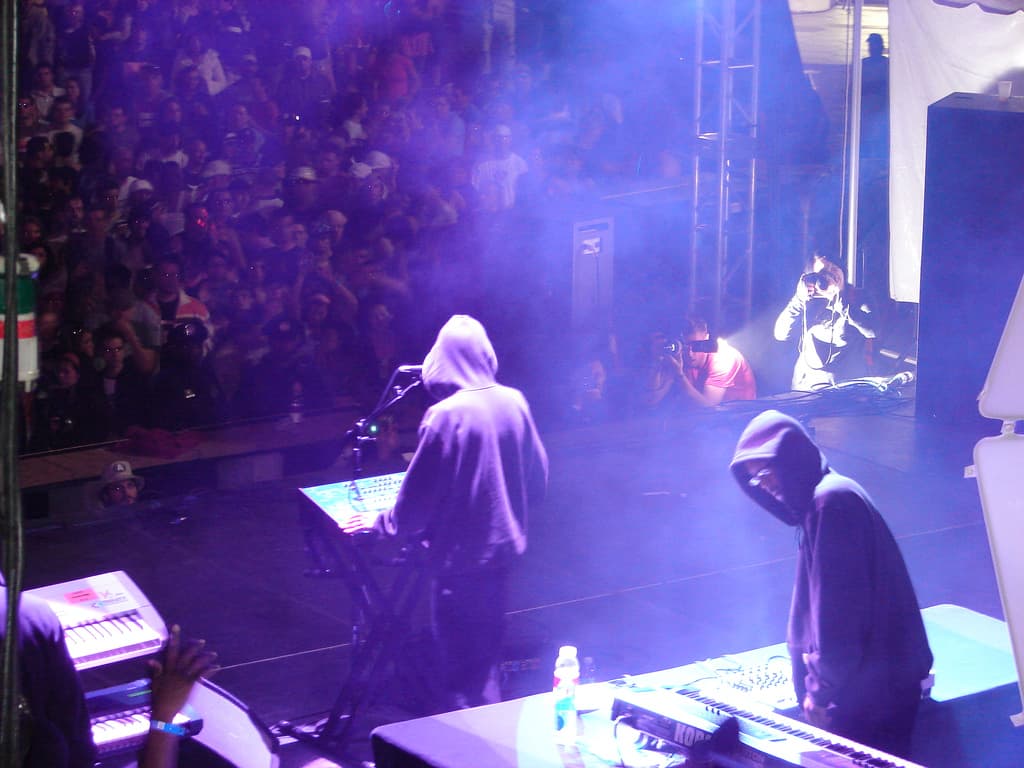
Shares analog warmth, drum machine, minimalist (production style); urban night, basement show, stargazing (atmosphere)
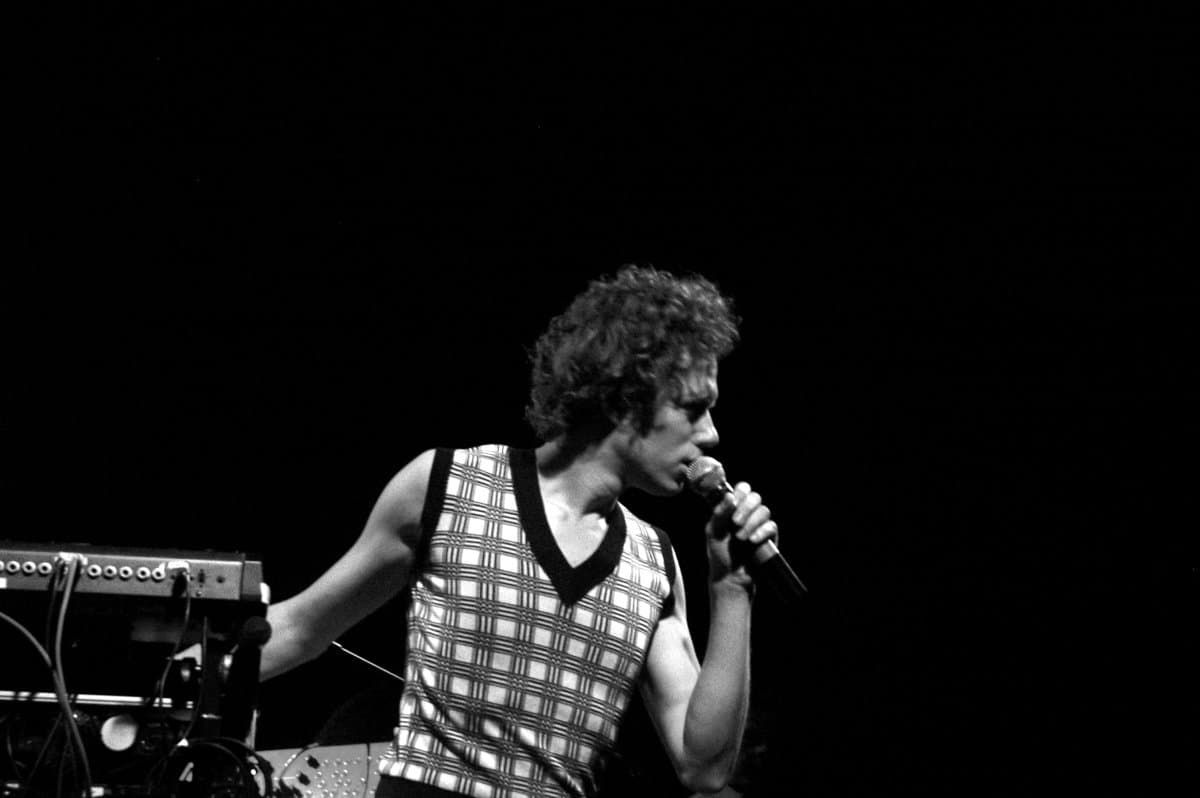
Shares energetic, mysterious, confident (moods); urban night, basement show, stargazing (atmosphere)
Shares funk, synth-pop (subgenres); energetic, mysterious, playful (moods)

Shares electro, drum machine, turntables, funk (signature)
Cassette uses generative AI to enrich its catalog. How we use AI →