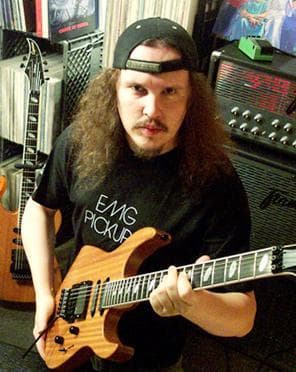
Gorod
Hyper-precise French metal that trades raw sludge for surgical jazz-fusion complexity. High-speed riffs that feel like a clockwork machine coming alive.
Hyper-precise French metal that trades raw sludge for surgical jazz-fusion complexity. High-speed riffs that feel like a clockwork machine coming alive.
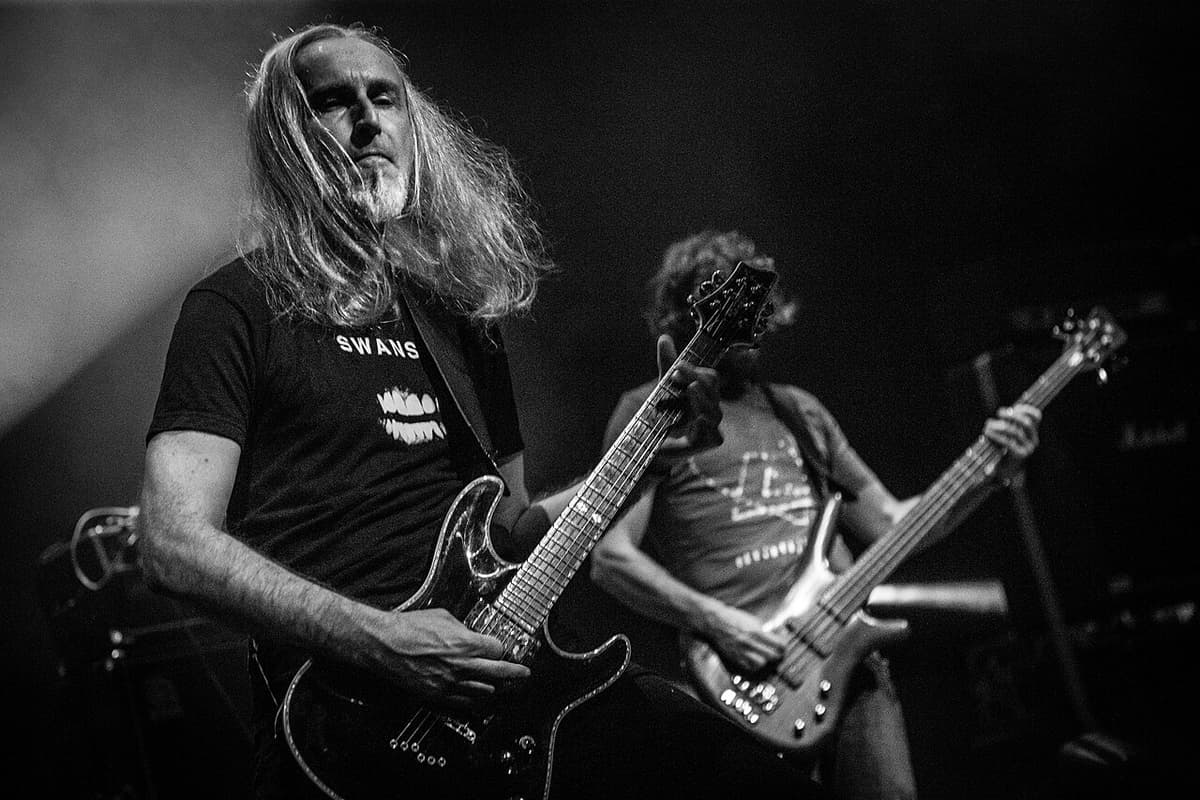
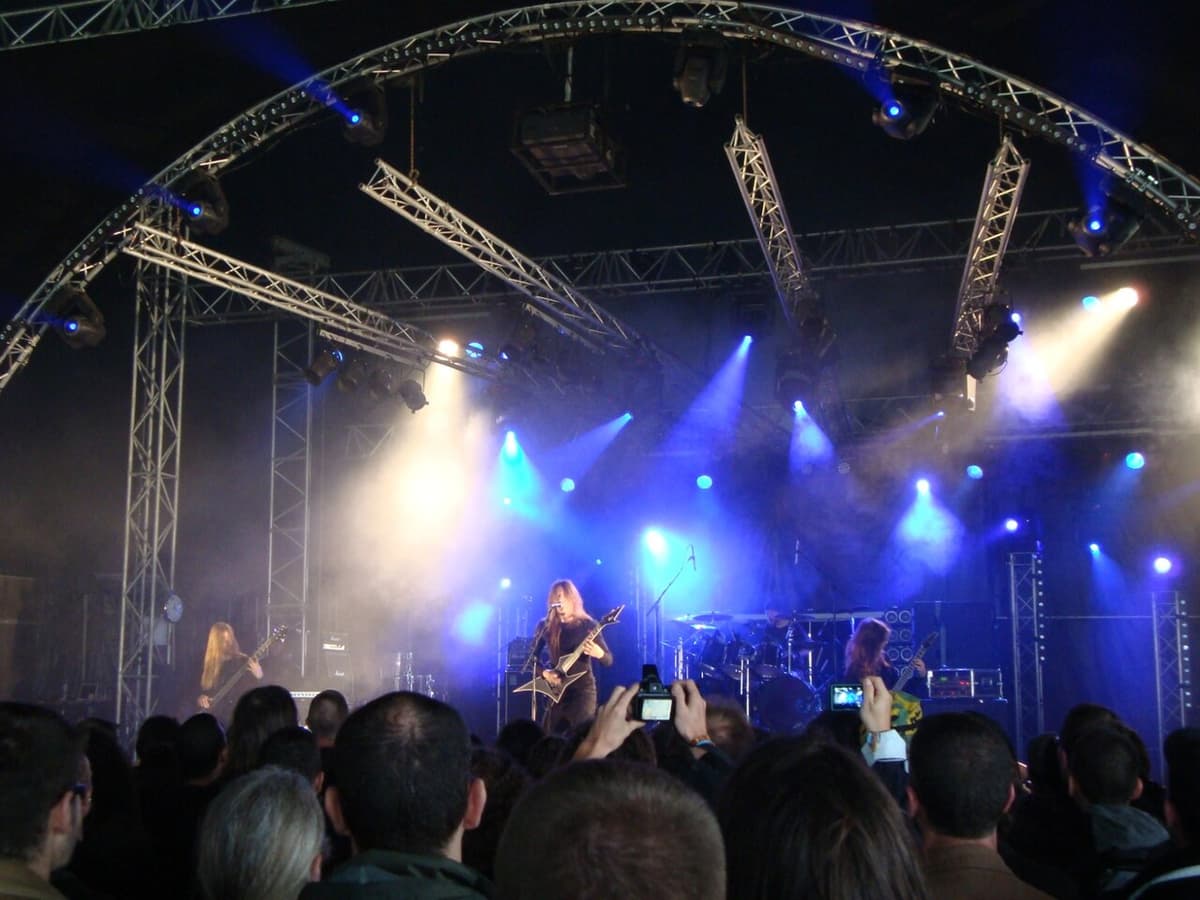
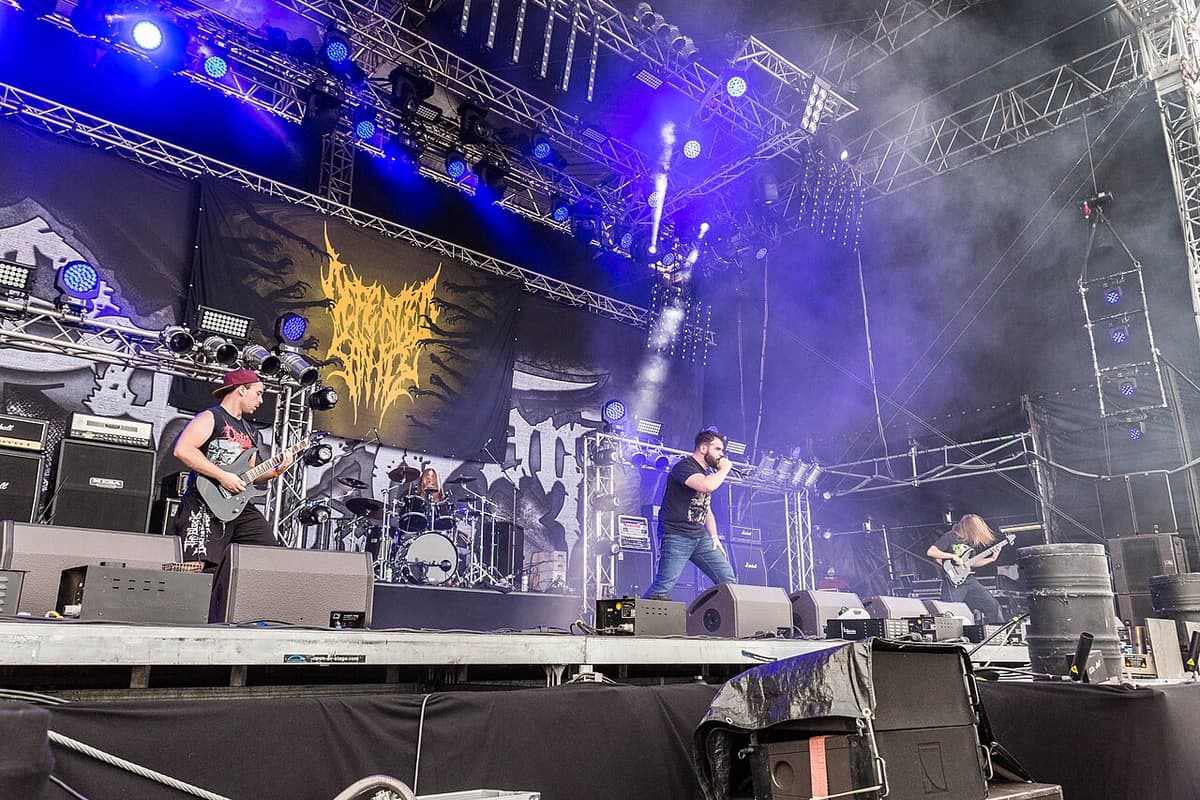
Gorod sounds like a high-performance engine being dismantled and reassembled in mid-air. While many of their peers in the technical death metal scene lean into sheer brutality or cold, robotic speed, this Bordeaux quintet brings a distinctively 'swinging' feel to the chaos. Their music is a dizzying array of interlocking guitar parts, fretless bass runs that slide like silk, and drum work that treats every limb as an independent rhythmic engine. It is heavy, yes, but it possesses a strange, agile elegance.
What truly sets them apart is their infusion of jazz-fusion sensibilities and funk-adjacent grooves into the extreme metal template. You will hear moments of bright, clean guitar work and syncopated rhythms that feel more like Return to Forever than Morbid Angel. This contrast creates a sense of constant motion; the music never sits still, constantly pivoting between crushing staccato riffs and fluid, melodic leads that feel almost improvisational despite their obvious calculated precision.
Start with 'A Perfect Absolution' to hear them at their most thematic and balanced. It showcases their ability to weave complex storytelling with some of the most infectious, groove-heavy riffs in the genre. If you prefer something more experimental and atmospheric, 'Æthra' offers a slightly more melodic, spacey take on their signature surgical sound.
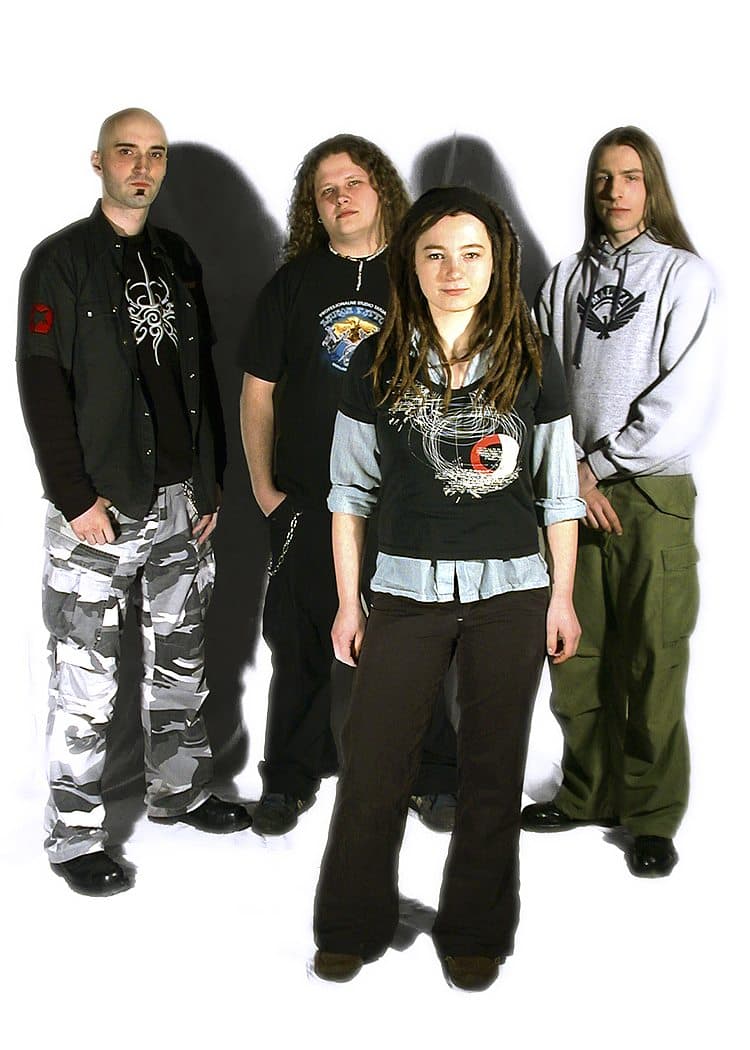
Gorod is a technical death metal band from Bordeaux, France.
Shares neoclassical sweep picking, death metal, progressive metal, dynamic range (detail)
Shares fretless bass fluidity, polyrhythmic drum patterns, death metal, progressive metal (detail)
Shares upright bass, jazz fusion, death metal, progressive metal (signature)
Shares death metal, progressive metal, dynamic range, gravelly (subgenre)
Shares polyrhythmic drum patterns, death metal, progressive metal, gravelly (detail)
Cassette uses generative AI to enrich its catalog. How we use AI →