Girlyman emerged from the early 2000s Brooklyn folk scene as a powerhouse of vocal harmony, eventually relocating to Atlanta and becoming a staple of the national indie-folk circuit. Formed by Nate Borofsky, Doris Muramatsu, and Ty Greenstein, the group's identity was forged through their 'three-part harmony folk-pop' which garnered significant support from the LGBTQ+ community and critical acclaim for its technical precision.
Their sound is characterized by a unique instrumental palette, notably Nate's use of the baritone guitar to provide a rich, cello-like low end that anchors the higher-register mandolin and acoustic guitar work. After being championed by Amy Ray of the Indigo Girls and signed to her Daemon Records label, they expanded their sound to include drums (JJ Jones) and more complex arrangements. Their career arc is defined by a consistent commitment to independent production and a thematic focus on identity, resilience, and connection. They disbanded in 2013, leaving a legacy of high-caliber vocal arranging that influenced a generation of queer-identified folk artists.

Shares chamber folk, banjo, acoustic folk, indie folk (signature)
Shares chamber folk, folk rock, acoustic folk, indie folk (subgenre)
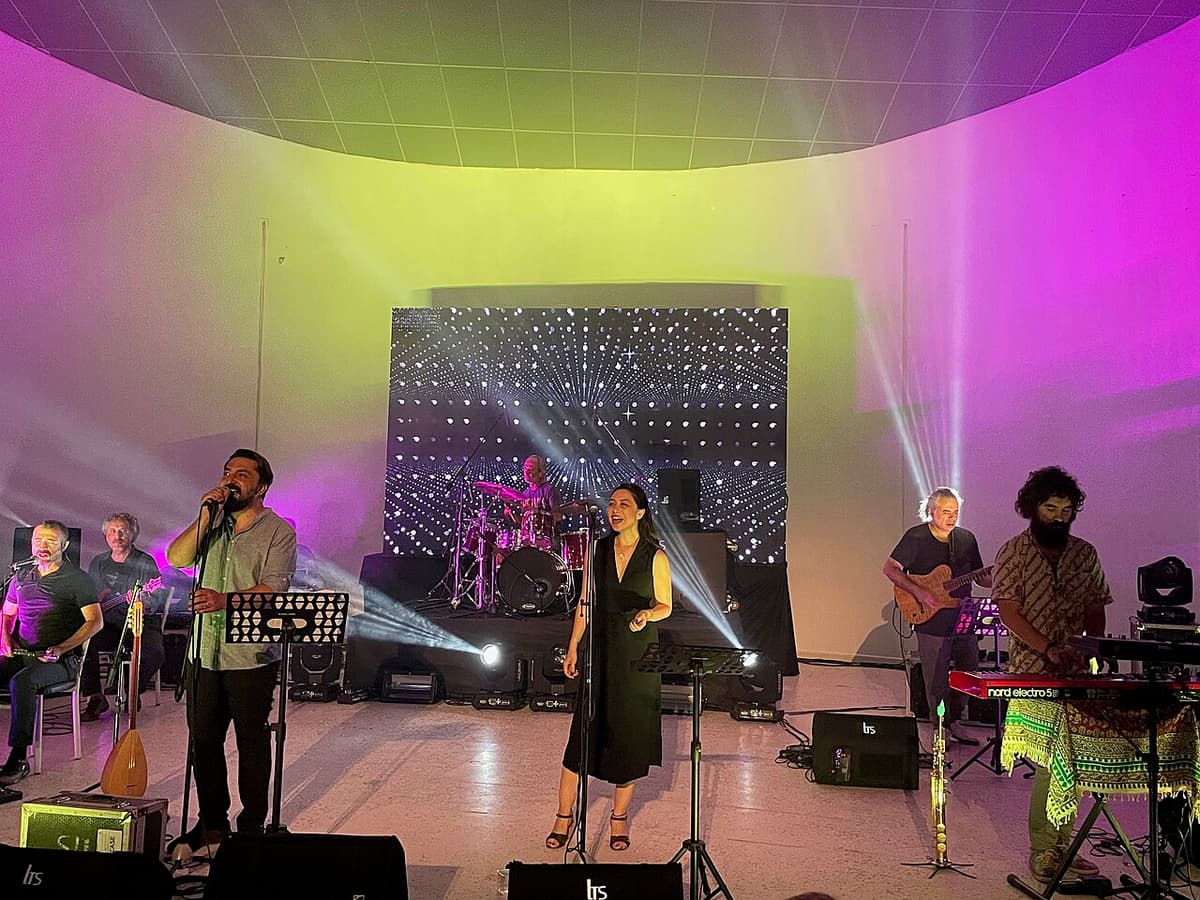
Shares chamber folk, androgynous, acoustic folk, indie folk (signature)
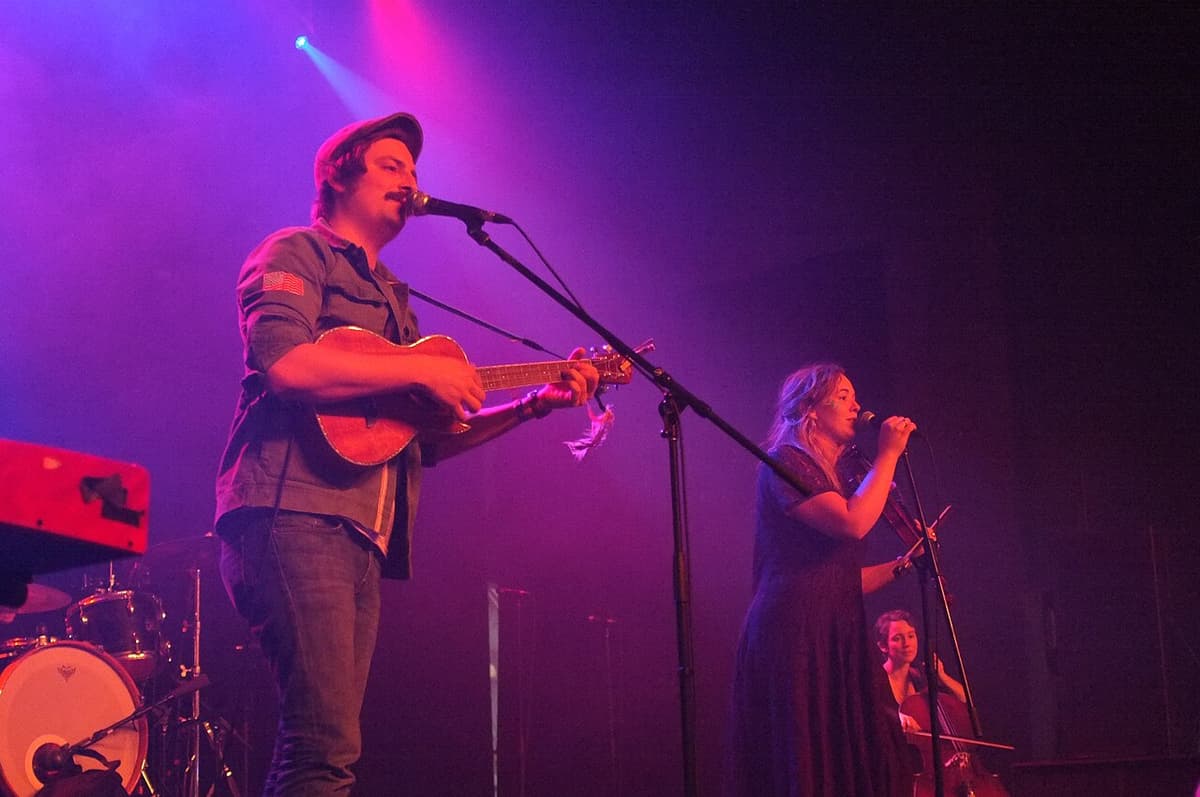
Shares chamber folk, acoustic folk, indie folk, harmonized (signature)
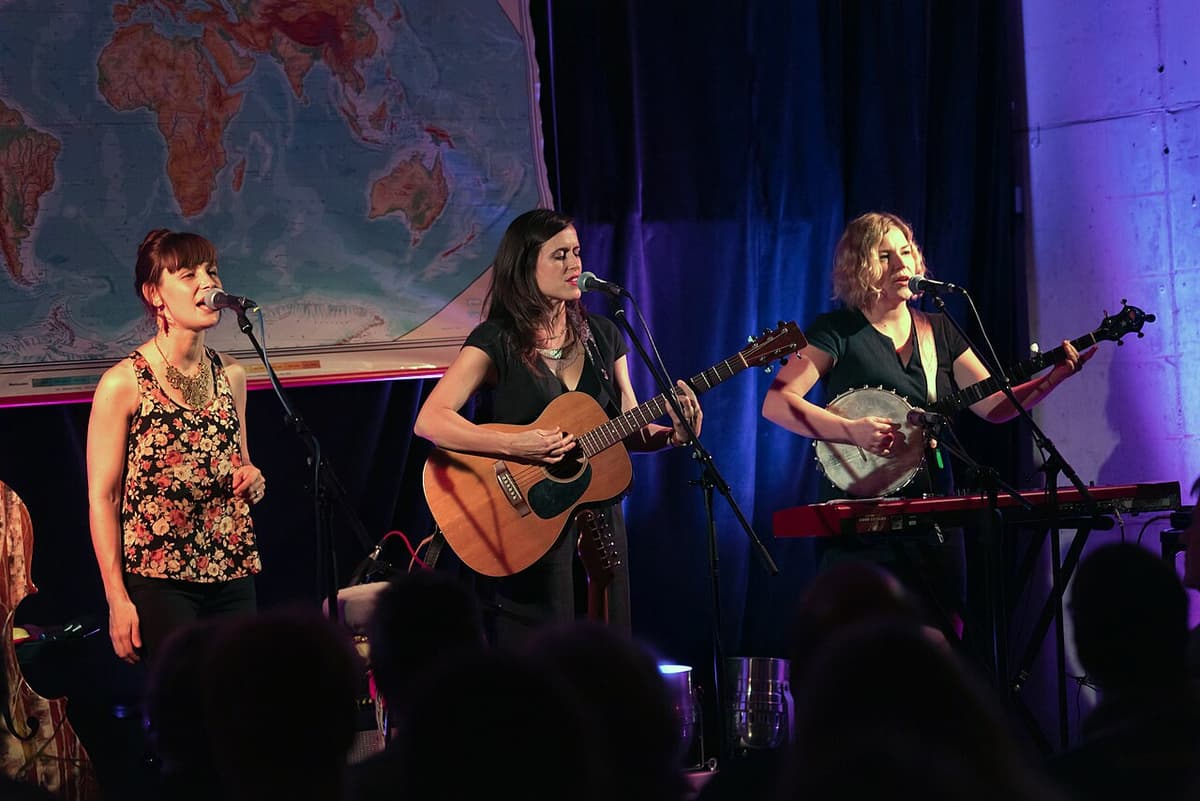
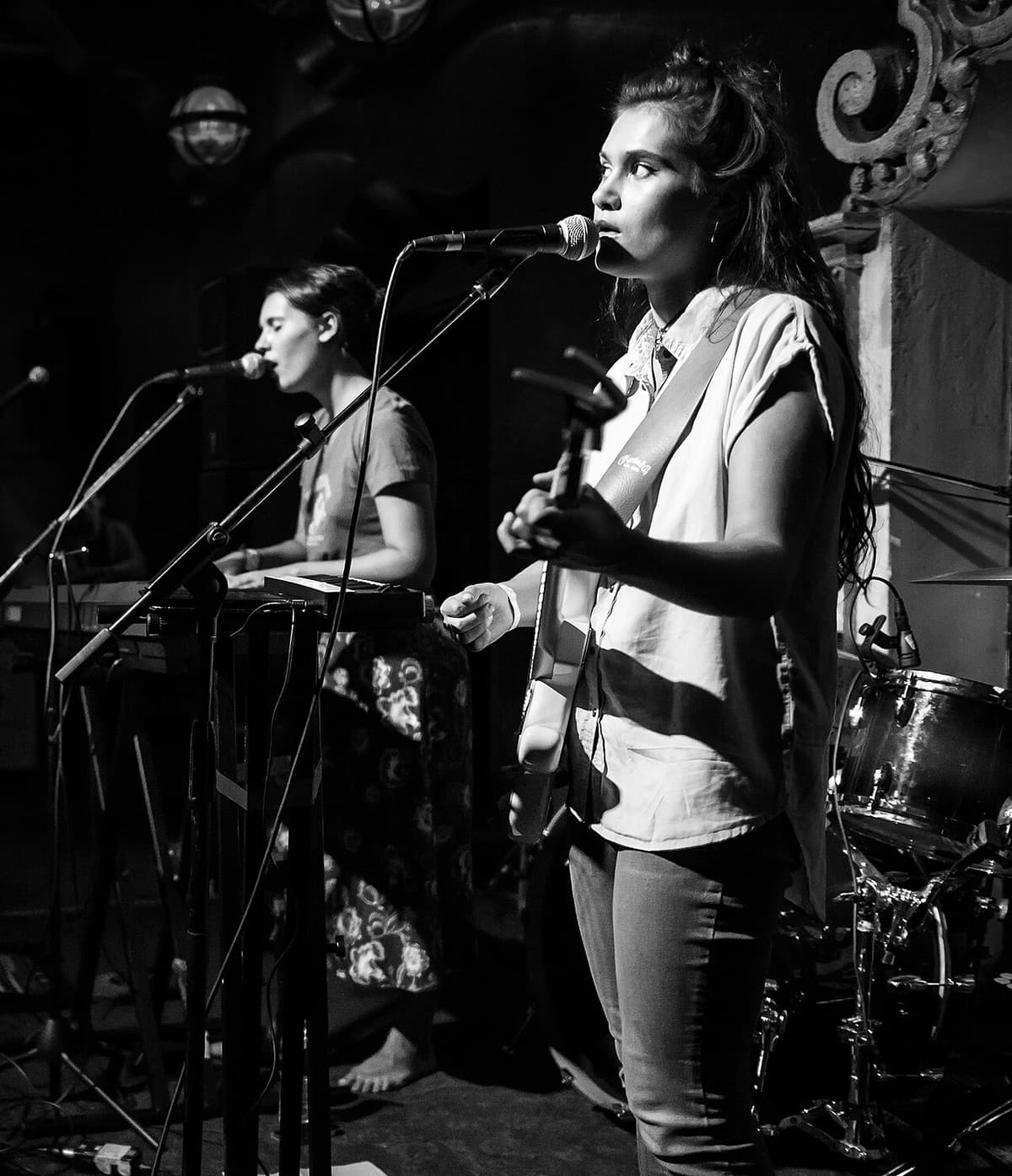
Shares chamber folk, acoustic folk, indie folk, harmonized (signature)
Shares chamber folk, acoustic folk, indie folk, harmonized (subgenre)
Cassette uses generative AI to enrich its catalog. How we use AI →