
Gérard Lenorman
Bright, melodic French pop with a heart of gold. Lush orchestral arrangements meet a gentle, sun-soaked voice for a feeling of pure, nostalgic optimism.
Bright, melodic French pop with a heart of gold. Lush orchestral arrangements meet a gentle, sun-soaked voice for a feeling of pure, nostalgic optimism.
Gérard Lenorman is the sound of a sunny afternoon in the French countryside. His music is defined by an unwavering sense of melody and a vocal delivery that is both tender and incredibly clear. It sits in that perfect middle ground between the poetic depth of traditional chanson and the accessible, hook-driven energy of 1970s variety pop. There is a lightness here that never feels trivial, anchored by rich studio production.
What truly sets Lenorman apart is his 'Petit Prince' persona; a whimsical, almost childlike wonder that permeates his songwriting. While his contemporaries often leaned into heavy drama or smoky cabaret vibes, Lenorman embraced a pastoral, optimistic aesthetic. His songs often feature sweeping string sections, bright acoustic guitars, and a rhythmic bounce that makes the music feel like it's constantly moving forward toward something better.
For those new to his catalog, starting with his mid-70s hits is essential. It is music that feels like a warm embrace, perfect for moments when you need to reconnect with a simpler kind of beauty. Whether he's singing about the joy of communication or the beauty of the everyday, his work remains a cornerstone of the 'chanteur de charme' tradition.
Gérard Lenorman (born 9 February 1945) is a French singer-songwriter. Lenorman was born at the Château de Bénouville, Calvados (Normandy) when it was a maternity hospital. He is the son of Madeleine Lenormand and an unknown German soldier. Lenorman has four children with his ex-wife Caroline: Mathieu, Justine, Clémence and Victor. He released his first album in 1969. In 1988, he represented France in the Eurovision Song Contest in Dublin, Ireland, reaching tenth place with "Chanteur de charme". Lenorman was very popular in France and Francophonie, during the 1970s and early 1980s. In 1994, a compilation of his hits Vos plus belles chansons went gold in France. In 2007, he released a biography entitled Je suis né à vingt ans ("I was born at the age of 20") in which the singer explains the unknown identity of his father.
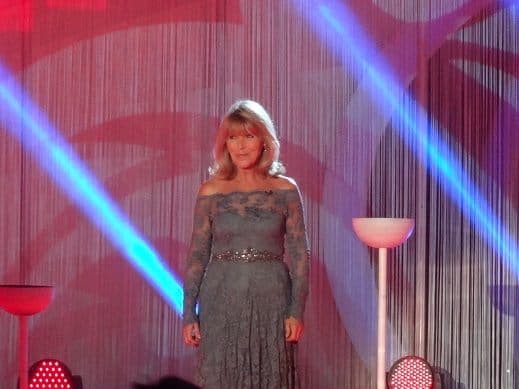
Shares traditional pop, soft rock, baroque pop (subgenres); orchestral arrangement, studio polished, analog warmth (production style)
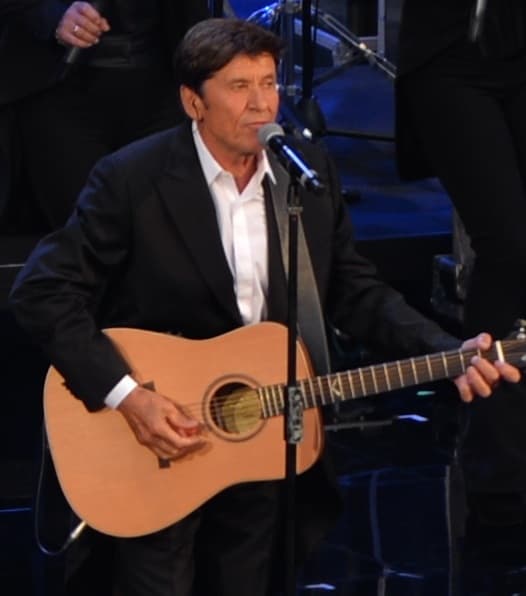
Shares orchestral arrangement, studio polished, analog warmth (production style); traditional pop, baroque pop (subgenres)
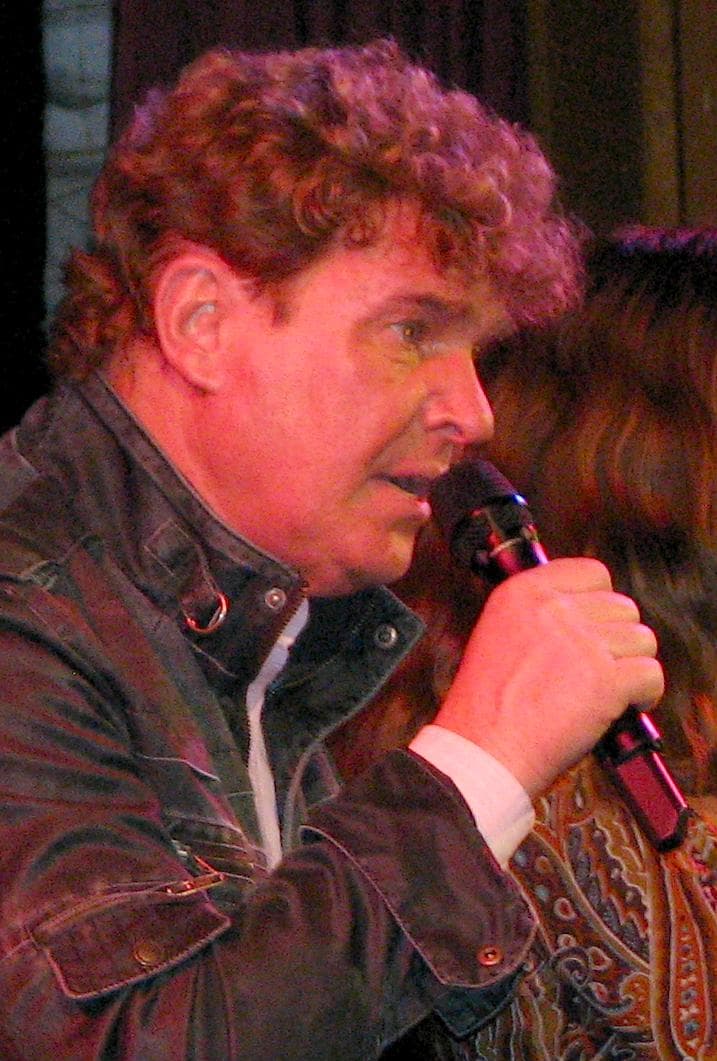
Shares traditional pop, soft rock, baroque pop (subgenres); orchestral arrangement, studio polished, analog warmth (production style)

Shares traditional pop, soft rock, baroque pop (subgenres); orchestral arrangement, studio polished, analog warmth (production style)
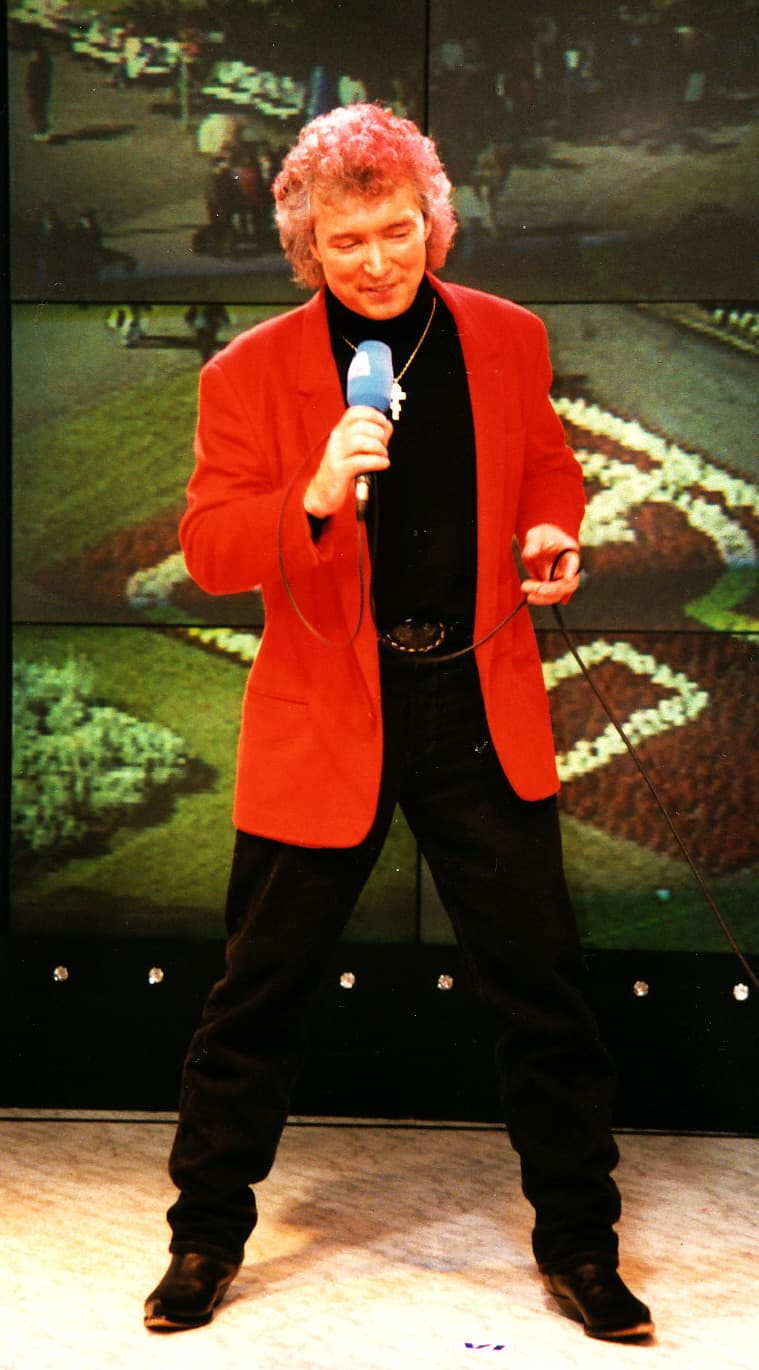
Shares traditional pop, soft rock, baroque pop (subgenres); studio polished, orchestral arrangement, analog warmth (production style)
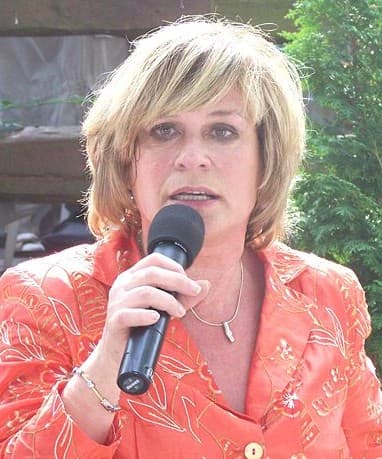
Shares traditional pop, soft rock (subgenres); orchestral arrangement, studio polished, analog warmth (production style)
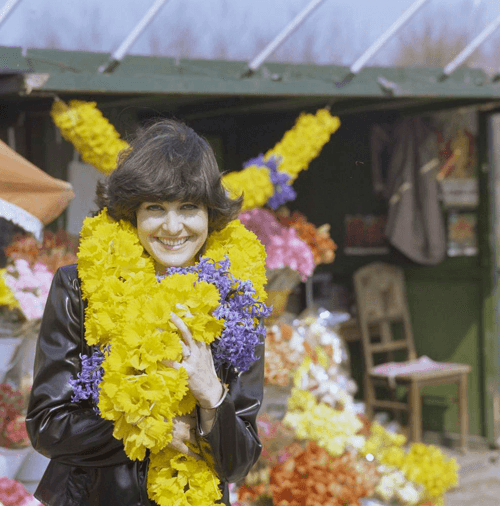
Shares traditional pop, soft rock (subgenres); orchestral arrangement, studio polished, analog warmth (production style)
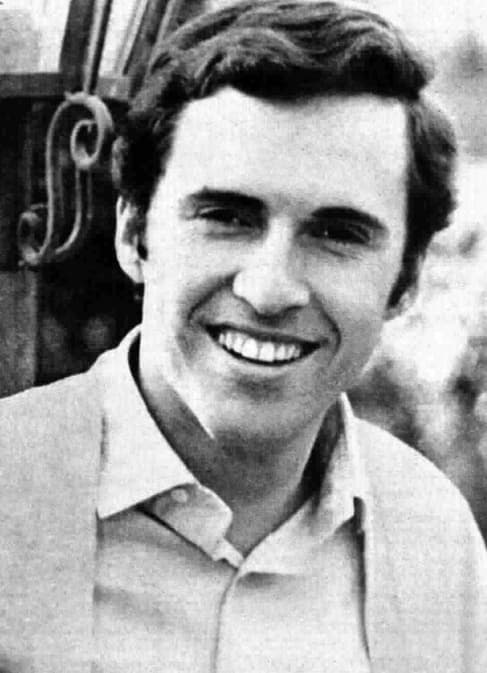
Shares traditional pop, soft rock, baroque pop (subgenres); orchestral arrangement, studio polished, analog warmth (production style)
Shares traditional pop, soft rock (subgenres); sentimental, joyful, nostalgic (moods)
Shares traditional pop, soft rock, baroque pop (subgenres); orchestral arrangement, studio polished, analog warmth (production style)
Cassette uses generative AI to enrich its catalog. How we use AI →


