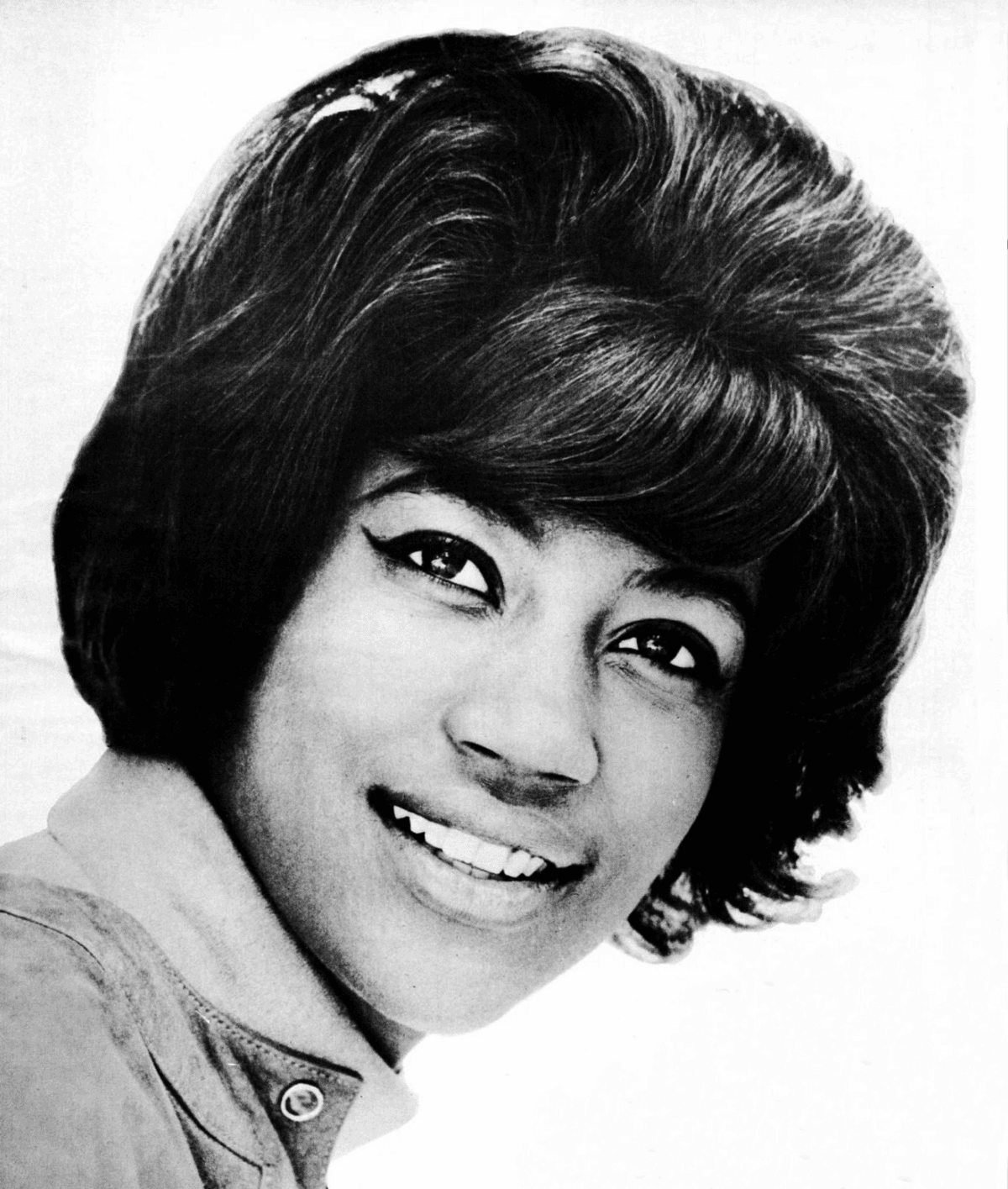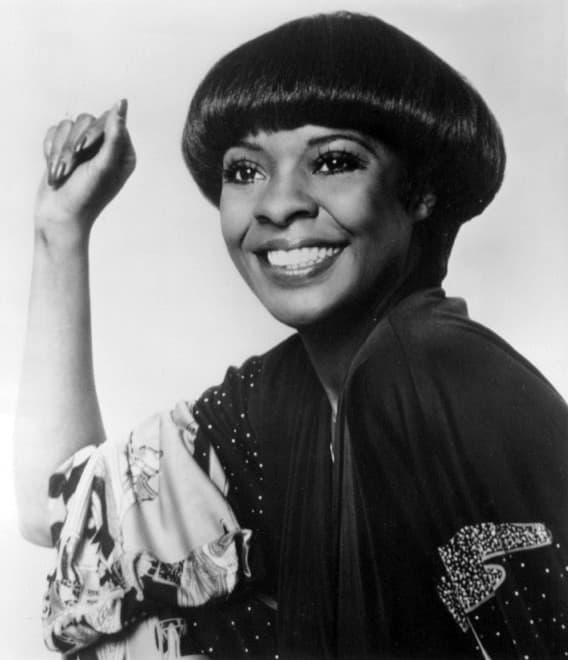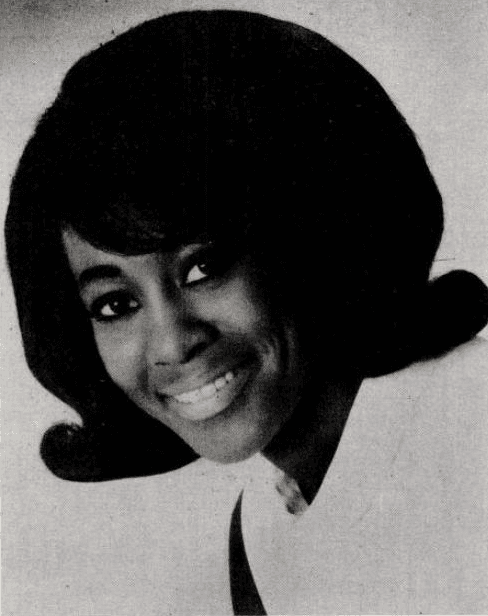
Freda Payne
Polished Detroit soul with a jazz singer's precision. Defiant, orchestral anthems for processing heartbreak and social change with elegance.
Polished Detroit soul with a jazz singer's precision. Defiant, orchestral anthems for processing heartbreak and social change with elegance.
Freda Payne's music is the sound of a woman who knows exactly how much she is worth, even when the world or a partner fails to see it. It is lush, big-budget soul that carries the sophisticated DNA of jazz. Her voice doesn't just sing lyrics; it navigates complex emotional terrain with the agility of a horn player, moving from vulnerable whispers to powerhouse belts that can cut through a wall of brass and strings.
What truly sets her apart is the friction between her formal training and the gritty, psychedelic-tinged production of the Invictus era. While her contemporaries might have leaned into raw gospel grit, Payne maintained a poise that made her tales of marital abandonment and anti-war protest feel like high drama. The arrangements are often dense and driving, featuring the signature 'Detroit sound' of driving percussion and melodic basslines, but topped with her uniquely crystalline delivery.
Start with the 1970 masterpiece 'Band of Gold' to hear the definitive blueprint of her sound. It is a masterclass in tension and release, blending a catchy pop hook with a narrative of profound isolation. From there, explore her jazz roots on 'After the Lights Go Down Low' to appreciate the technical foundation that makes her soul recordings so distinctively sharp.
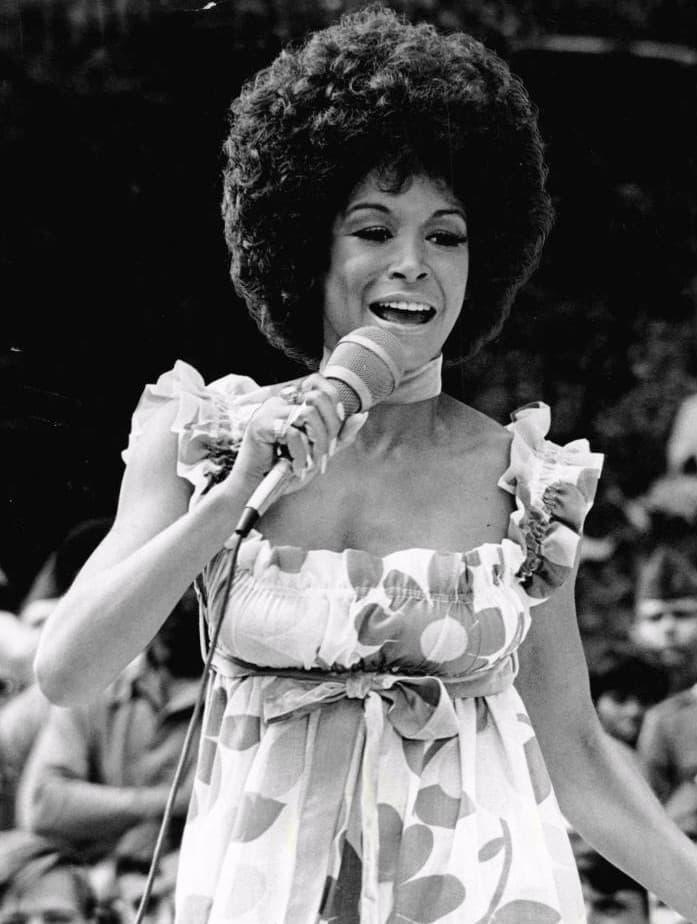
Freda Charcilia Payne (born September 19, 1942) is an American singer and actress. Payne is best known for her career in music during the mid-1960s through the mid-1980s. Her most notable record is her 1970 hit single "Band of Gold". Payne was also an actress in musicals and film as well as the host of a TV talk show. Payne is the older sister of Scherrie Payne, a former singer with the American vocal group the Supremes. She also acted on Living Single.
Cassette uses generative AI to enrich its catalog. How we use AI →