Eyez represents a pivotal moment in the Canadian urban music landscape of the early 2000s. Based in Toronto, her sound identity is a unique hybrid of street-oriented hip-hop and formal classical training, specifically holding a degree in Opera from the Royal Conservatory.
This background informs her breath control, melodic range, and the structural complexity of her choruses. Her career arc is characterized by early industry recognition, including high-profile collaborations with Canadian legends like Maestro and production collective Fortune Tellahs. Culturally, she occupies a space as a biracial artist (Italian and West Indian) who explicitly explores the 'Yin and Yang' of her identity and the socioeconomic challenges of Toronto's inner city. Critical consensus highlights her as a technically superior MC whose aesthetic - blending modeling, classical music, and rap - challenged the era's standard hip-hop archetypes. Her work serves as a bridge between the gritty underground scenes of the 90s and the more polished, globally-facing Toronto sound that would dominate the following decade.


Shares trap, contemporary r&b, pop rap (subgenres); confident, defiant, empowering (moods)

Shares trap, contemporary r&b, pop rap (subgenres); studio_polished, maximalist, digital_clarity (production style)
Shares trap, contemporary r&b, pop rap (subgenres); confident, defiant, empowering (moods)
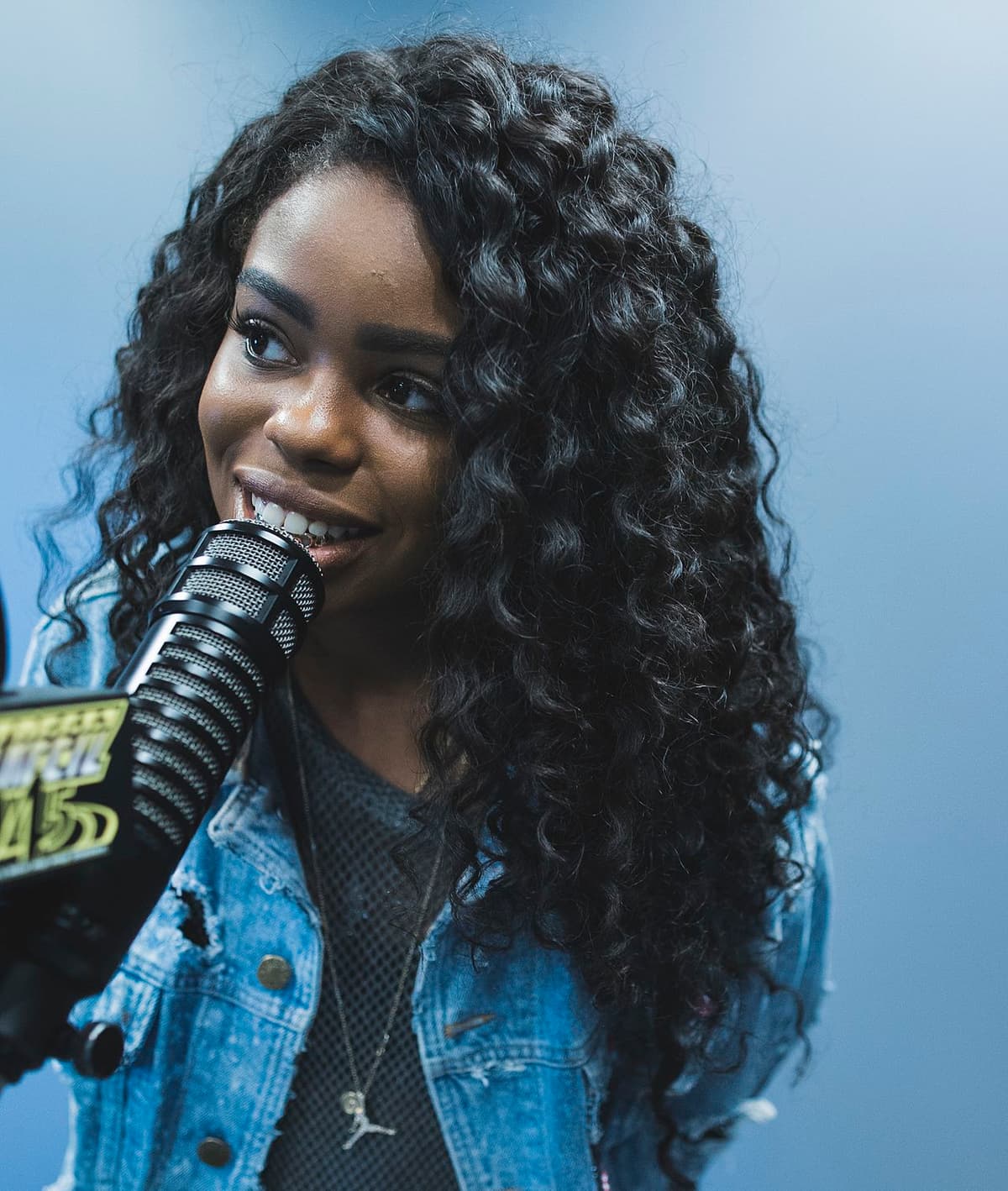
Shares trap, contemporary r&b, pop rap (subgenres); urban_night, rooftop, late_night (atmosphere)
Shares trap, contemporary r&b, pop rap (subgenres); studio_polished, maximalist, digital_clarity (production style)
Shares trap, contemporary r&b, pop rap (subgenres); confident, defiant, empowering (moods)

Shares trap, contemporary r&b, pop rap (subgenres); confident, defiant, empowering (moods)

Shares trap, pop rap, empowering, contemporary r&b (signature)
Cassette uses generative AI to enrich its catalog. How we use AI →