Eric Calderone, performing as Erock (or 331Erock), is a pivotal figure in the 'YouTube shredder' movement of the 2010s. His sound identity is defined by a fusion of neoclassical metal technique, power metal rhythmic foundations, and a background in formal orchestration.
Unlike many metal guitarists who lean into darkness or aggression, Calderone's work is characterized by a major-key brightness and a 'meets metal' gimmick that relies on high-fidelity digital production and extreme technical proficiency. His career arc saw him transition from a classically trained student at the University of Tampa and Berklee to a viral sensation, effectively pioneering the genre of 'metalized covers.' Culturally, he occupies a space between the gaming community and the guitar gear-head scene, often collaborating with other internet-native musicians. Critical consensus views him as a highly skilled technician who democratized shred guitar for a general audience through accessible pop-culture references. His influence is seen in the wave of content creators who use high-speed guitar arrangements as a primary medium for digital engagement.


Shares shred rock, harmonized lead guitar lines, power metal, triumphant (signature)
Shares shred rock, harmonized lead guitar lines, power metal, triumphant (signature)
Shares shred rock, harmonized lead guitar lines, power metal, progressive metal (signature)
Shares shred rock, harmonized lead guitar lines, power metal, triumphant (signature)
Shares shred rock, power metal, triumphant, progressive metal (signature)
Shares power metal, triumphant, progressive metal, heavy metal (subgenre)
Shares power metal, triumphant, progressive metal, heavy metal (subgenre)
Shares power metal, triumphant, progressive metal, heavy metal (subgenre)
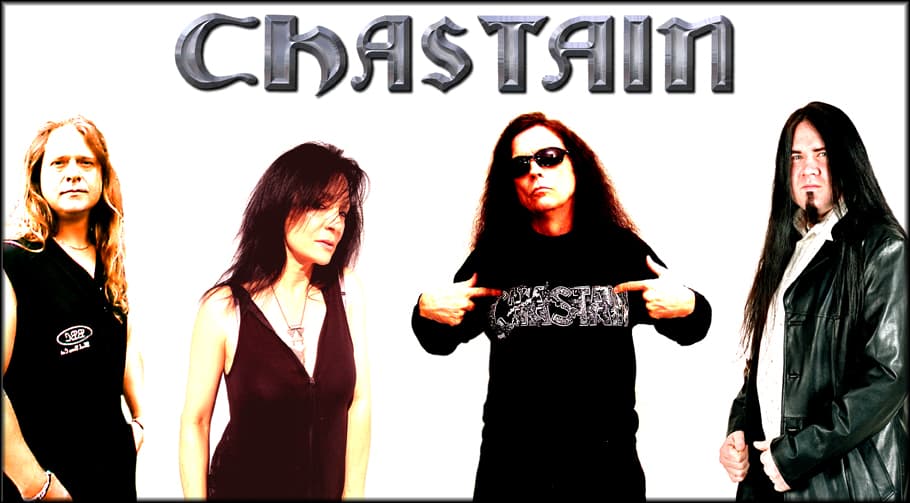
Shares power metal, triumphant, progressive metal, heavy metal (subgenre)
Cassette uses generative AI to enrich its catalog. How we use AI →