Erland and the Carnival sound like a ghost story told in a modern art gallery. They take the skeletal remains of centuries-old British folk songs and dress them in the velvet textures of psychedelic rock and the driving pulse of krautrock. There is a specific warmth to their sound, likely born from their boat-studio recordings, that feels both intimate and slightly eerie, like finding a high-fidelity recording of a Victorian carnival.
What truly sets them apart is their intellectual curiosity. They don't just cover folk standards; they deconstruct them using digital trickery and progressive arrangements. You'll hear swirling Fairlight-esque synths and Hammond organs clashing with acoustic fingerpicking, creating a 'wild pastiche' that honors the oral tradition while sounding restlessly contemporary. It is music for people who like their history with a side of experimentalism.
Start with their self-titled debut, 'Erland and the Carnival.' It perfectly captures their mission statement, particularly on tracks like 'Love Is a Killing Thing,' where traditional lyrics are propelled by a relentless, modern energy. It's the ideal entry point for anyone who loves the storytelling of Pentangle but wants the sonic adventurousness of Blur or The Verve.
Erland & The Carnival were a British progressive folk rock band, formed in London, by Orcadian folk guitarist and singer Gawain Erland Cooper, multi-instrumentalist Simon Tong, and drummer/engineer David Nock. In 2010 they released their critically acclaimed eponymous debut album, and a year later released Nightingale to further widespread acclaim. Their third album Closing Time was released in autumn 2014 and featured collaborations with Paul Weller. The album was recorded in 7 days at Damon Albarn's Studio 13 and was mixed by Tim Bran. Erland & The Carnival are well known for their contemporary arrangements of traditional Scottish and English folk songs, resulting in a "wild pastiche of digital trickery and oral tradition that channels the spirit of '70s progressive rock while staying true to pop-song brevity."


Shares chamber folk, folk rock, progressive rock, autumn walk (subgenre)
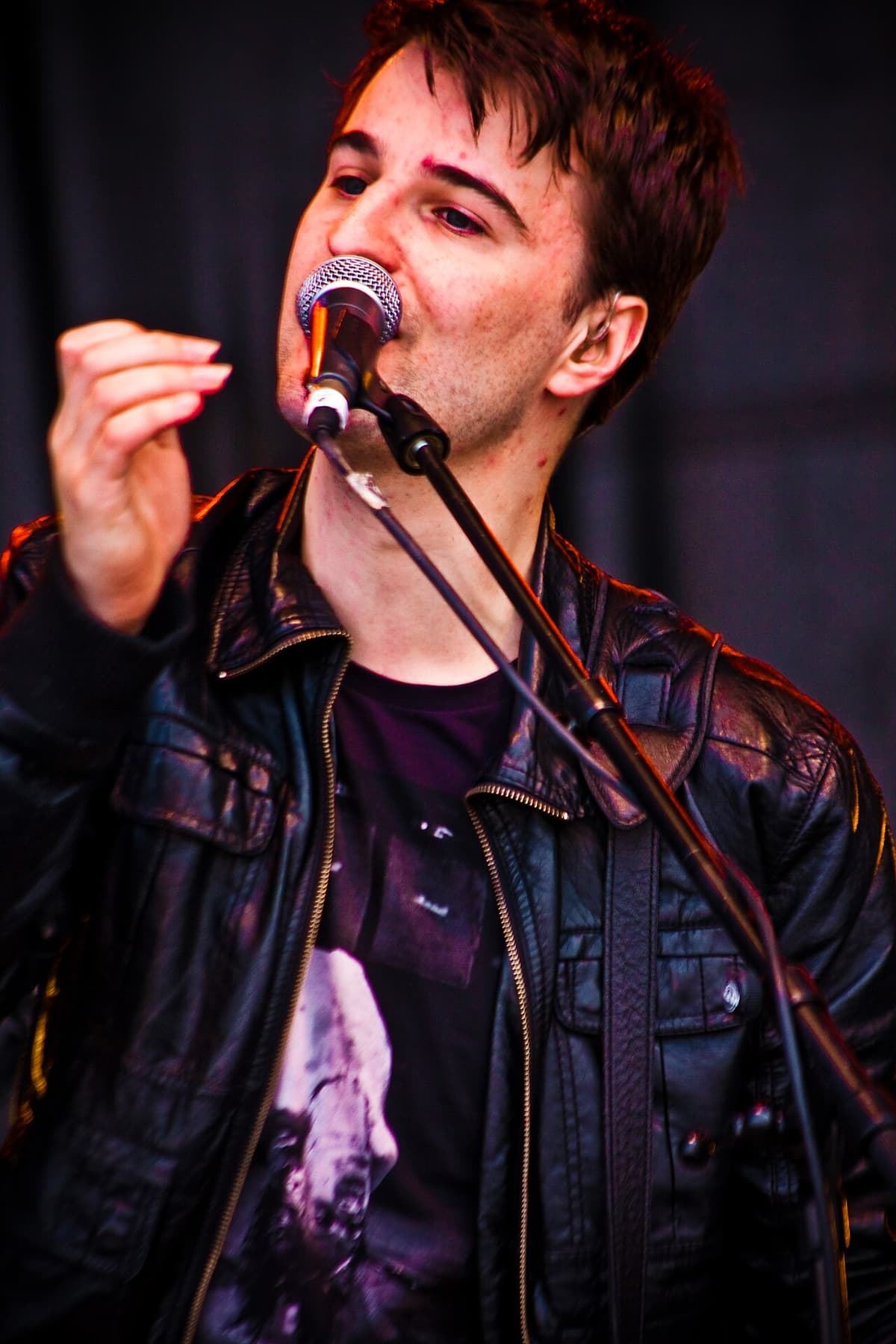
Shares chamber folk, folk rock, progressive rock, psychedelic rock (subgenre)
Shares organ, folk rock, progressive rock, autumn walk (signature)
Shares chamber folk, folk rock, progressive rock, autumn walk (subgenre)
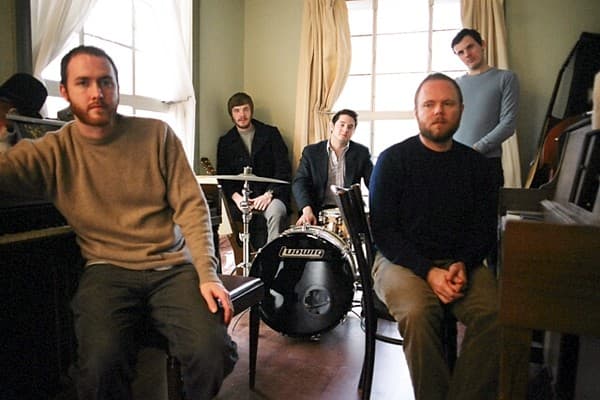
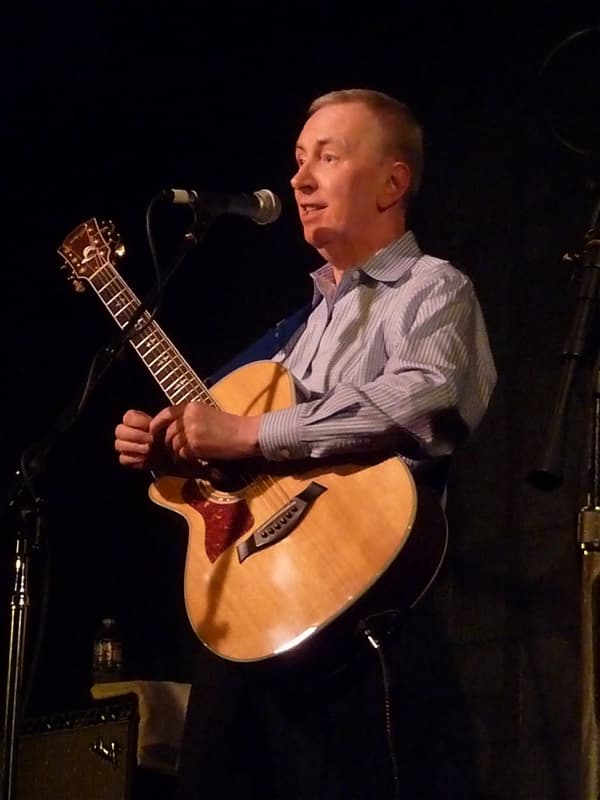
Shares organ, storytelling, narrating, progressive rock (signature)
Shares chamber folk, folk rock, organ, progressive rock (subgenre)
Cassette uses generative AI to enrich its catalog. How we use AI →