Emmure
Hostile, low-tuned metalcore that trades melody for pure rhythmic impact. Heavy breakdowns and nu-metal grit for the gym or the pit.
Hostile, low-tuned metalcore that trades melody for pure rhythmic impact. Heavy breakdowns and nu-metal grit for the gym or the pit.
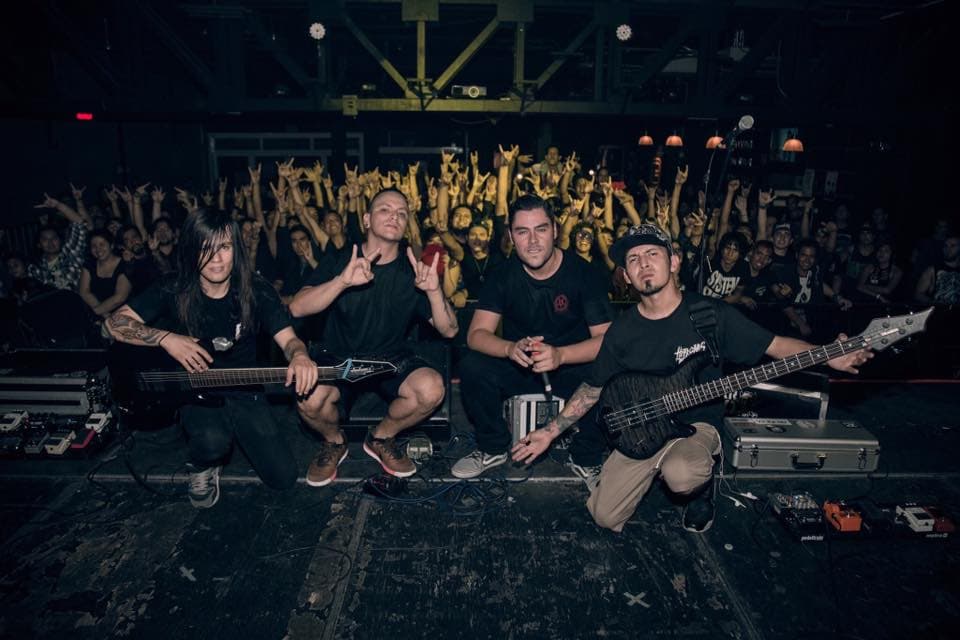
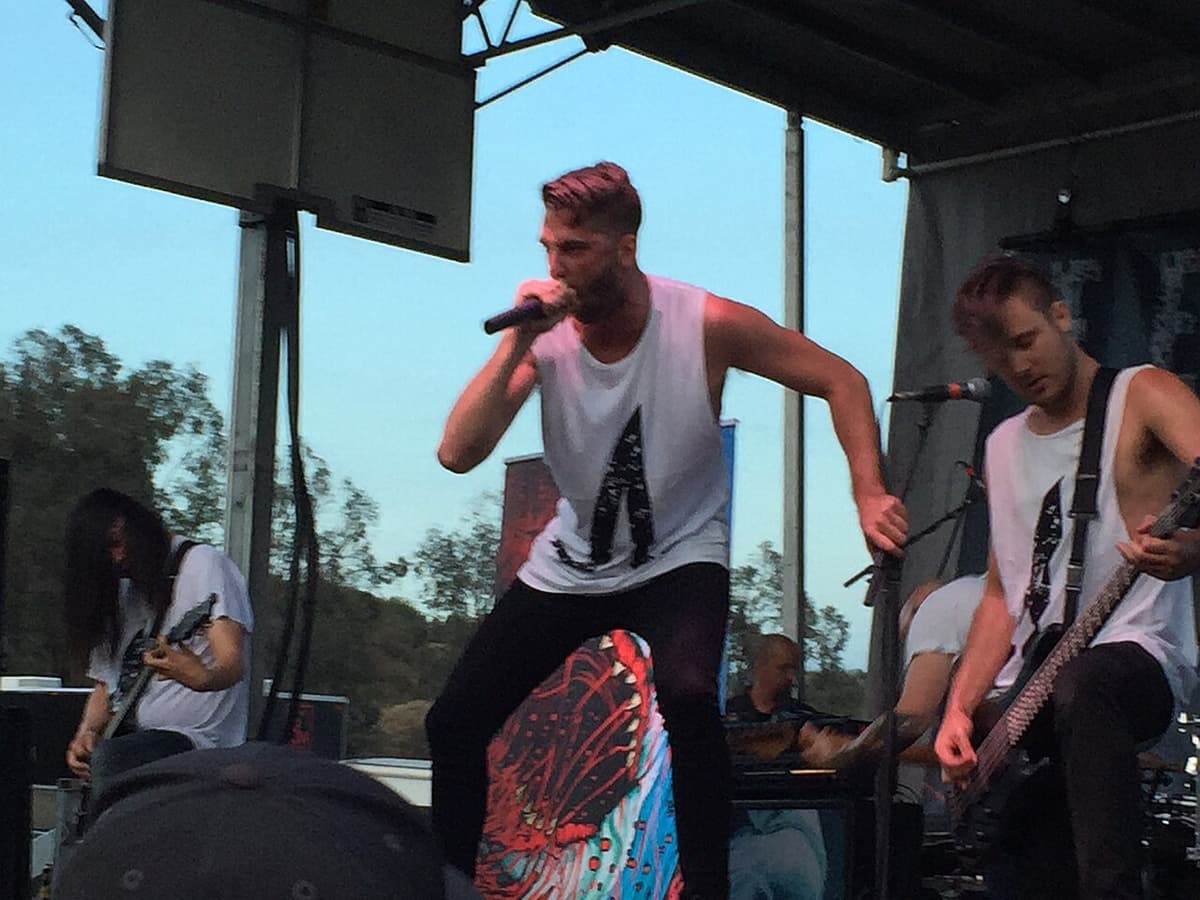
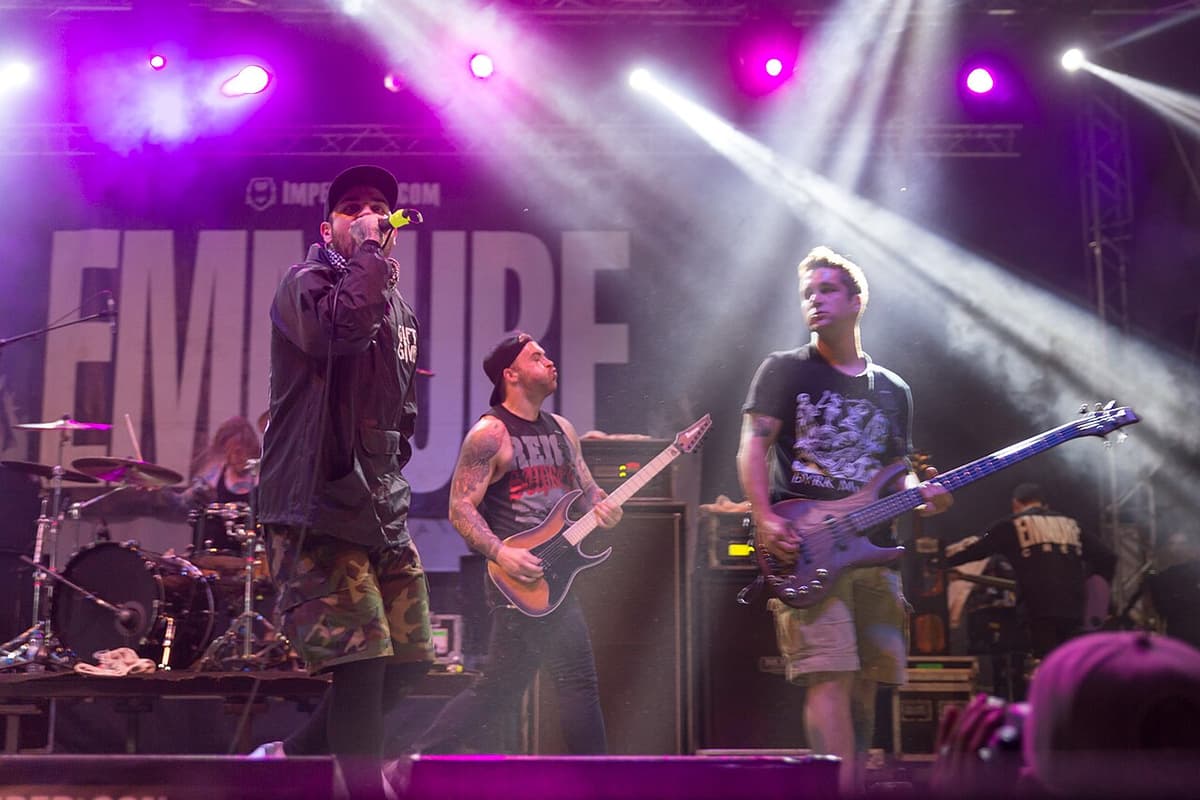
Emmure is a pivotal and polarizing force in the evolution of 21st-century metalcore and deathcore. Formed in 2003, the band became the face of 'moshcore,' a style characterized by a heavy reliance on breakdowns and rhythmic simplicity designed for live energy.
Led by founding vocalist Frankie Palmeri, the group's sound identity is defined by low-tuned eight-string guitars, dissonant 'panic chords,' and a vocal style that bridges the gap between death metal growls and nu-metal rhythmic phrasing. Their career arc saw them rise as a flagship act for Victory Records during the late 2000s before transitioning to SharpTone Records, where they integrated more industrial and electronic elements. Culturally, Emmure occupies a unique space as 'villains' of the scene, often leaning into controversy and a 'no-fucks-given' attitude that contrasts with the more sensitive or political leanings of their contemporaries. Their influence is seen in the 'nu-deathcore' movement, where bands like Alpha Wolf and Dealer have adopted their rhythmic hostility and urban aesthetic. Critical consensus often highlights their efficiency in creating 'pit-ready' anthems while noting their rejection of traditional melodic structures.
Shares angry, melodic death metal, explosive_bursts, hardcore punk (mood)
Shares dissonant guitar squeals, angry, melodic death metal, explosive_bursts (detail)
Shares angry, rap, melodic death metal, explosive_bursts (mood)
Shares low-tuned rhythmic chugging, nu metal, rap, explosive_bursts (detail)
Shares melodic death metal, explosive_bursts, hardcore punk, alternative metal (subgenre)
Shares melodic death metal, explosive_bursts, hardcore punk, alternative metal (subgenre)
Shares melodic death metal, explosive_bursts, hardcore punk, alternative metal (subgenre)
Shares angry, explosive_bursts, hardcore punk, alternative metal (mood)
Cassette uses generative AI to enrich its catalog. How we use AI →