Eimear Quinn
Pure, crystalline soprano vocals floating over lush Celtic arrangements. Ethereal and timeless music that feels like a quiet winter morning in an ancient stone chapel.
Pure, crystalline soprano vocals floating over lush Celtic arrangements. Ethereal and timeless music that feels like a quiet winter morning in an ancient stone chapel.
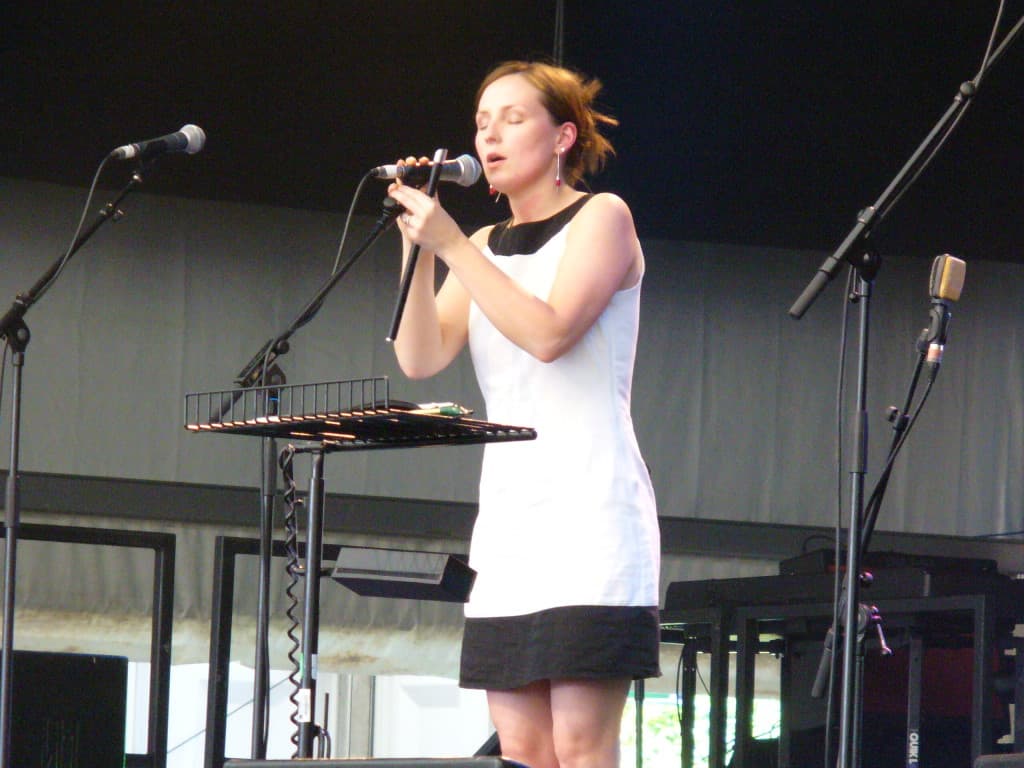
Eimear Quinn is a pivotal figure in the Irish 'Celtic crossover' movement of the 1990s, best known for her victory at the 1996 Eurovision Song Contest. Her musical foundation is rooted in early music and choral traditions, having been a member of the acclaimed vocal ensemble Anúna.
This background informs her technical precision and her preference for modal melodies and liturgical textures. Her sound identity is characterized by a high soprano range with minimal vibrato, creating a 'pure' tone that aligns with both medieval music and modern ambient folk. Career-wise, she transitioned from a soloist within a choir to a successful solo artist who collaborates with high-profile composers like Pól Brennan and Sir George Martin. Culturally, she represents a sophisticated, art-leaning version of Irish identity that avoids 'pub-folk' tropes in favor of mythological and chamber-music aesthetics. Critical consensus highlights her as one of the most technically proficient vocalists in the genre, often praised for maintaining artistic integrity within the typically pop-centric Eurovision framework.
Shares neoclassical, chamber folk, soprano, forest (subgenre)
Shares neoclassical, flute, violin, chamber folk (subgenre)
Shares flute, violin, chamber folk, winter (instrumentation)
Shares soprano, operatic, baroque pop, chamber folk (signature)
Shares soprano, neoclassical, snowfall, operatic (signature)
Shares snowfall, choir/choral, violin, chamber folk (atmosphere)
Cassette uses generative AI to enrich its catalog. How we use AI →