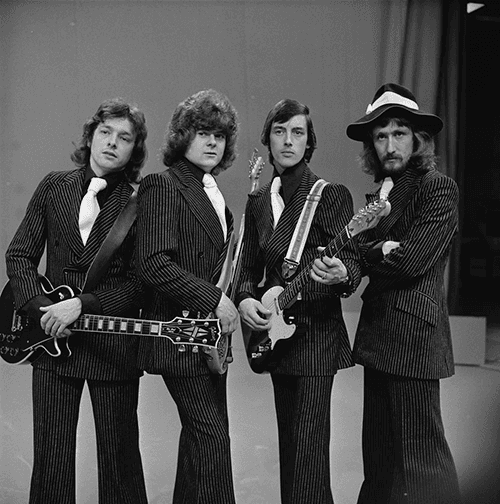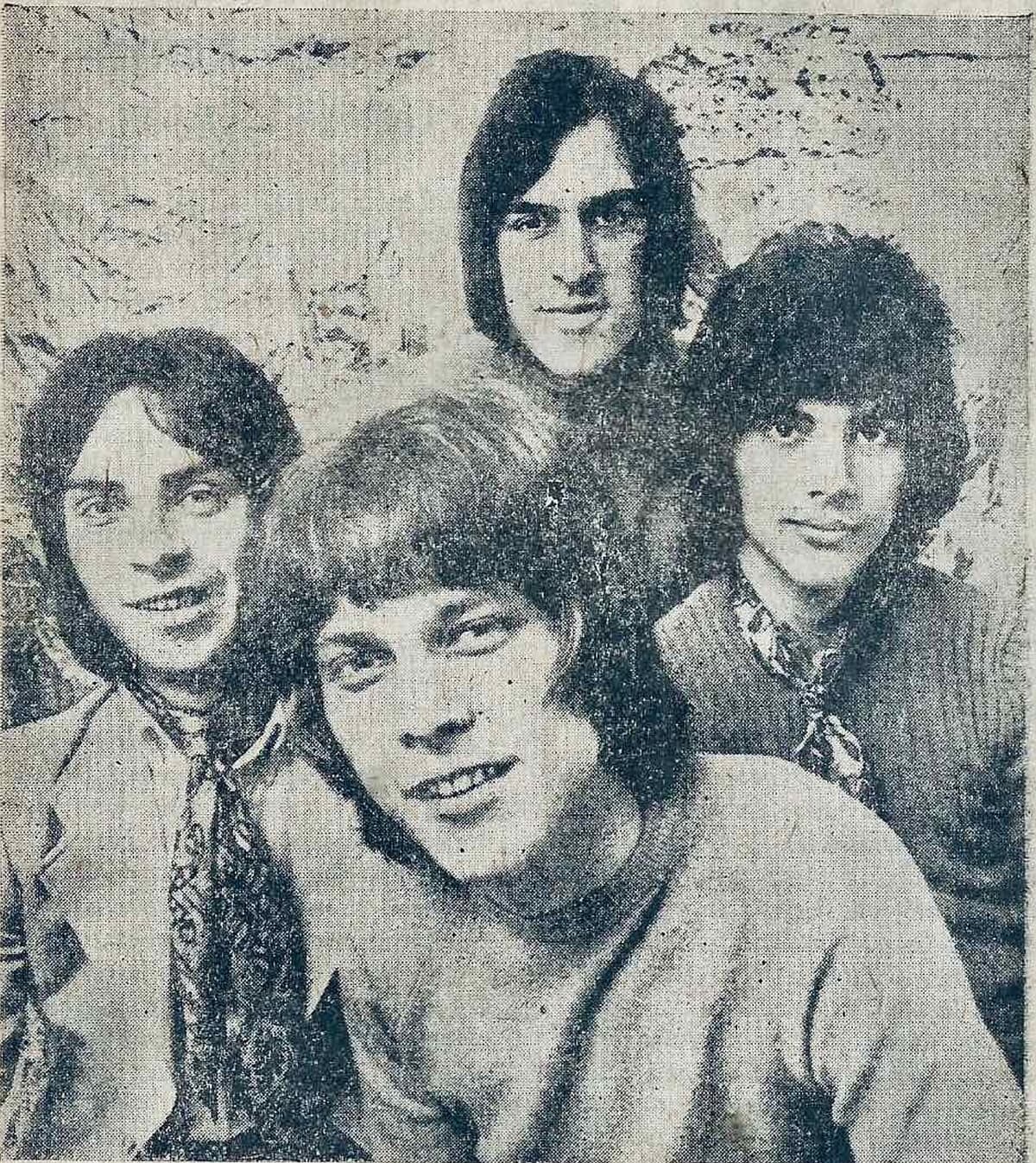
Edison Lighthouse
Effortless, sun-soaked melodies and shimmering 1970s harmonies. Pure bubblegum pop that feels like a permanent summer afternoon.
Effortless, sun-soaked melodies and shimmering 1970s harmonies. Pure bubblegum pop that feels like a permanent summer afternoon.
Edison Lighthouse represents the pinnacle of the 'studio group' era in British pop history. Formed in 1969 by songwriters Tony Macaulay and Barry Mason, the project was initially a vehicle for the session prowess of Tony Burrows, a vocalist who famously appeared on multiple hits for different 'bands' simultaneously.
Their sound is characterized by a blend of bubblegum pop accessibility and the sophisticated arrangement styles of the late 1960s, bridging the gap between the Beatles' melodicism and the more commercial soft rock of the early 1970s. The massive success of 'Love Grows (Where My Rosemary Goes)' - selling over eight million copies - cemented their place in the pop pantheon. Critically, they are viewed as masters of the 'one-hit wonder' phenomenon, though musicologists often cite their work as a masterclass in professional pop construction. Their influence persists in the lineage of power-pop and any music that prioritizes high-gloss melodic hooks over gritty authenticity.
Shares traditional pop, soft rock (subgenres); studio_polished, analog_warmth, orchestral_arrangement (production style)
Shares studio_polished, orchestral_arrangement, analog_warmth (production style); joyful, nostalgic, playful (moods)
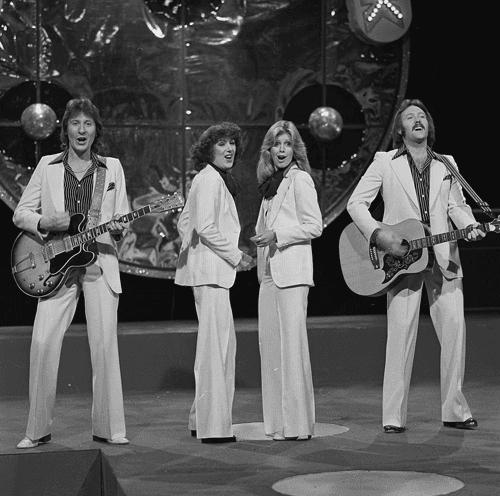
Shares traditional pop, soft rock (subgenres); studio_polished, orchestral_arrangement, analog_warmth (production style)
Shares traditional pop, soft rock (subgenres); studio_polished, analog_warmth, orchestral_arrangement (production style)
Shares studio_polished, orchestral_arrangement, analog_warmth (production style); summer, sunday_morning, golden_hour (atmosphere)
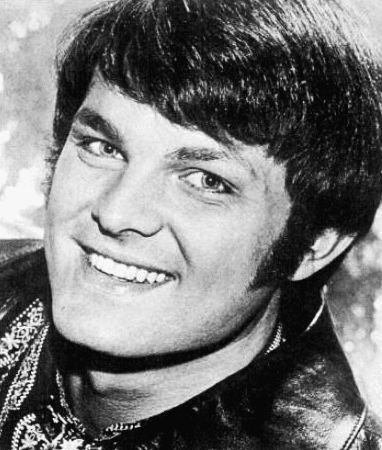
Shares studio_polished, orchestral_arrangement, analog_warmth (production style); joyful, nostalgic, playful (moods)
Shares joyful, nostalgic, hopeful (moods); studio_polished, analog_warmth, orchestral_arrangement (production style)
Cassette uses generative AI to enrich its catalog. How we use AI →