
Earl Sweatshirt
Dense, dusty loops and monotone internal monologues that feel like a private conversation in a dimly lit room. Abstract hip-hop for late-night introspection.
Dense, dusty loops and monotone internal monologues that feel like a private conversation in a dimly lit room. Abstract hip-hop for late-night introspection.
An integral voice of the Los Angeles collective Odd Future, rapper and producer Earl Sweatshirt emerged as a teenage prodigy defined by his dense, internal rhyme schemes and downcast perspective.
The son of South African poet Keorapetse Kgositsile, he paired his literary lineage with a raw, insular style of hip-hop. After a highly publicized hiatus at a Samoan boarding school, he returned to music with a focus on claustrophobic production and elliptical, stream-of-consciousness lyricism that moved away from his early shock-rap roots toward a deeply personal, avant-garde sound.

A hiss of cheap microphone static and the thud of a dusty, basement-born loop set the stage for a teenage prodigy’s dark descent. Instead of polished anthems, you are handed a claustrophobic notebook of hyper-dense, multi-syllabic rhymes that twist through the shadows of internet-era shock rap. It is a raw, unfiltered transmission from a bedroom studio, capturing a brilliant, troubled mind finding its formidable voice in the gritty margins of the underground.

Heavy, waterlogged basslines and the smell of stale indoor air replaced the cartoonish shock-rap of his teenage years, anchoring a return from exile that traded hype for claustrophobic brilliance. Recorded in dim rooms under the weight of sudden, unwanted fame, these sluggish loops and dense, monotone confessions feel like squinting through a haze of weed smoke at a screen that is too bright. You are pulled directly into the quiet panic of a young prodigy rebuilding his voice in real time. It perfected a dusty, insular brand of abstract hip-hop, turning private anxiety into a masterfully cramped, low-ceilinged masterpiece.
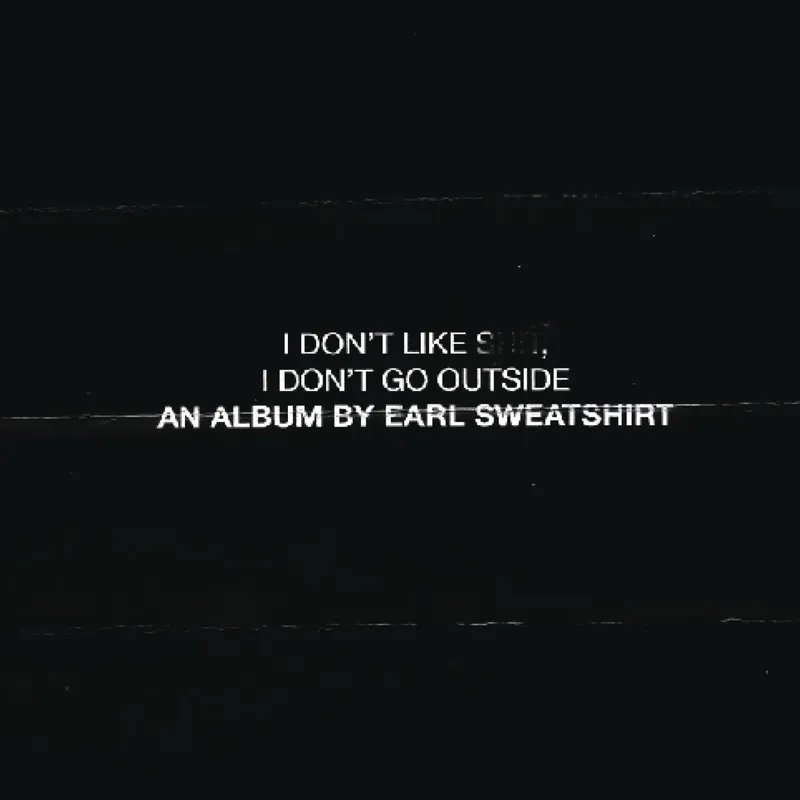
Low ceilings, gray static, and the smell of stale indoor air crowd these ten tracks. Heavy, self-produced basslines drag like wet wool through the dark, while blunt-force rhymes are delivered in a flat, exhausted mumble. You are sitting right there on the floor of a locked room with the blinds drawn, listening to someone dismantle their own grief in the dark. It is a suffocating, private space that offers no easy exits and no sunlight.

Grief-stricken poetry over dusty, micro-looped jazz
A loop of crackling, dust-choked jazz cuts off mid-breath, replacing the polished venom of prior releases with the suffocating weight of immediate grief. This record is the precise point where technical mastery surrendered to raw survival, abandoning traditional song structures for fifteen miniature collages of fractured memory and family ghosts. By burying the vocals beneath a dense fog of lo-fi static, the performance forces you to lean into the wreckage, listening not to a polished statement, but to the actual process of a brilliant mind reconstructing itself from the debris of loss.

A quiet afternoon spent watching the sun fade behind closed blinds during dusty pandemic isolation loops.
A sharp, focused 24-minute transmission of pandemic-era claustrophobia, balancing dusty soul loops with crisp, unexpected trap rhythms.

A sunlit brick alleyway suspended in drumless loop aesthetics
Warm, dusty loop-rap masterclass. Earl Sweatshirt delivers clear-eyed, conversational poetry over the Alchemist's soul-stirring, drumless jazz samples.
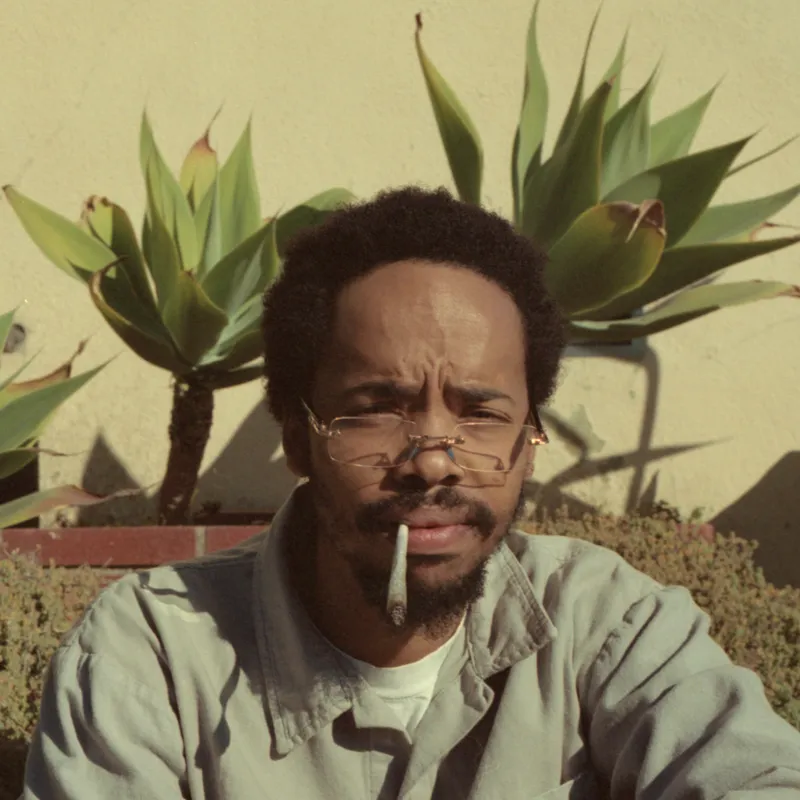
A handful of dusty micro-loops spin on a rusty turntable, while the warm tape hiss coats the room like velvet.
Short, dusty loops and deadpan poetry. A brilliant, dreamlike maze of personal growth wrapped in warm tape hiss and late-night introspection.
Earl Sweatshirt remains a vital, quiet anchor of modern independent hip-hop, operating entirely on his own terms.
His recent work, including his collaborations with the Alchemist and Navy Blue, shows an artist who has traded the heavy agoraphobia of his youth for a relaxed, conversational mastery. No longer hiding behind dense walls of noise, he continues to release brief, impressionistic projects that value raw emotional honesty over commercial reach.
Shares lo_fi, sample_based, noise_textured (production style); late_night, solitude, fog (atmosphere)
Shares lo_fi, sample_based, noise_textured (production style); late_night, solitude, fog (atmosphere)
Shares lo_fi, sample_based, noise_textured (production style); late_night, solitude, fog (atmosphere)
Shares lo_fi, sample_based, tape_saturation (production style); deadpan, baritone, rap (vocal style)
Shares lo_fi, sample_based, noise_textured (production style); late_night, solitude, fog (atmosphere)
Shares lo_fi, sample_based, minimalist (production style); brooding, melancholic, contemplative (moods)
Shares sample_based, lo_fi, minimalist (production style); deadpan, baritone, rap (vocal style)
Shares sample_based, lo_fi, tape_saturation (production style); brooding, melancholic, contemplative (moods)
Shares lo_fi, sample_based, tape_saturation (production style); late_night, solitude, fog (atmosphere)
Shares lo_fi, sample_based, tape_saturation (production style); brooding, melancholic, contemplative (moods)
Shares horrorcore, tape_saturation, baritone, noise_textured (subgenre)
Shares lo_fi, deadpan, tape_saturation, noise_textured (signature)
Cassette uses generative AI to enrich its catalog. How we use AI →