Druid offers a soft-focus lens on the grandiosity of 1970s progressive rock. Their sound is defined by a deep reverence for the symphonic structures of the era, but they swap out the aggressive technicality of their peers for a more melodic, pastoral approach. It is music that feels like a watercolor painting of a fantasy landscape: vibrant, slightly blurred at the edges, and deeply immersive.
What truly distinguishes Druid is the interplay between Andrew McCrorie-Shand’s expansive keyboard work and Neil Brewer’s prominent, melodic bass lines. While many prog bands of the time were chasing complexity for its own sake, Druid focused on the 'symphonic' in symphonic prog, using the Mellotron and Moog synthesizers to create thick, orchestral textures that support high-pitched, angelic vocal harmonies.
If you are looking for a gateway into the more melodic side of the genre, start with their debut, Toward the Sun. It captures the band at their most cohesive, blending the intricate arrangements of Yes with a gentler, more accessible songwriting sensibility that makes it perfect for quiet, focused listening.
Druid were a 1970s progressive rock band from England, and initially came to public attention by winning the Melody Maker Rock and Folk talent contest in 1974. The band went on to record two albums signed to EMI - Toward the Sun (1975) and Fluid Druid (1976). The band performed "Voices" and "Theme", from Toward the Sun on The Old Grey Whistle Test, broadcast on 7th October 1975. Their sound was notably influenced by Yes and Genesis. Following the demise of Druid in 1977, aborting the recording of their third record Newfoundland, Neil Brewer and Dane Stevens formed The Never Never Band with a more post-punk sound. The band ultimately split up in 1981 into two short lived groups - The Vetos, and Splash. Former member Cedric Sharpley, who went on to back Gary Numan in Dramatis and Tubeway Army, died from a heart attack on 13 March 2012. Keyboard player Andrew McCrorie-Shand later pursued a career composing for Ragdoll Productions, most notably their longest-running TV shows Rosie and Jim, while bass player Neil Brewer was the show's third and final presenter from 1997 to 2000.


Shares progressive rock, art rock (subgenres); analog warmth, reverb heavy, layered dense (production style)
Shares analog warmth, reverb heavy, layered dense (production style); progressive rock, art rock (subgenres)
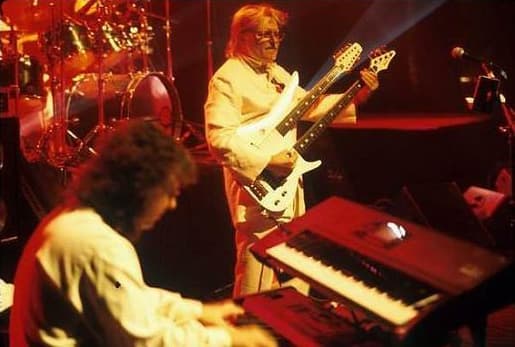
Shares progressive rock, art rock, baroque pop (subgenres); analog warmth, reverb heavy, layered dense (production style)
Shares analog warmth, reverb heavy, layered dense (production style); falsetto, harmonized, gentle (vocal style)
Shares progressive rock, art rock (subgenres); analog warmth, reverb heavy, layered dense (production style)
Shares progressive rock, art rock (subgenres); analog warmth, reverb heavy, layered dense (production style)
Shares progressive rock, art rock (subgenres); analog warmth, reverb heavy, layered dense (production style)
Shares progressive rock, art rock (subgenres); analog warmth, reverb heavy, layered dense (production style)
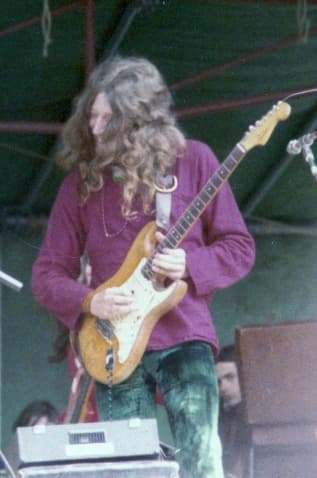
Shares analog warmth, reverb heavy, layered dense (production style); progressive rock, art rock (subgenres)
Shares progressive rock, art rock (subgenres); analog warmth, layered dense, studio polished (production style)
Cassette uses generative AI to enrich its catalog. How we use AI →