Dred Scott captures the quintessential '90s jazz-hop aesthetic, where the grit of the street meets the sophistication of a late-night lounge. His sound is anchored by warm, organic textures, often prioritizing a deep, walking upright bass and crisp, unhurried drum loops. It feels like a time capsule of a specific New York era, even though its appeal is timelessly chill.
What sets him apart is the seamless integration of his jazz upbringing with a relaxed, almost conversational rap delivery. Unlike the aggressive posturing of his contemporaries, Scott leans into a mellow confidence, often bolstered by the soulful, airy vocals of Adriana Evans. The production feels lived-in and dusty, as if the samples were pulled from a well-loved collection of Blue Note 45s.
Start with the album Breakin' Combs. It is a masterclass in the 'vibe' era of hip-hop, offering a perfect entry point for anyone who loves the intersection of live instrumentation and sample culture. It's the kind of music that doesn't demand your attention but rewards it with every subtle horn swell and rhythmic pocket.
Jonathan "Dred" Scott is an American hip-hop/soul rapper, songwriter and music producer. Scott, who originally started his career as a rap artist, was born to parents who were both professional actors/dancers who met while touring with various music productions. His mother was the first African-American female dancer to appear on The Ed Sullivan Show. Scott received some training in jazz as a child, but was excited enough by the hip-hop innovations of Run–D.M.C. to pursue a music career as a rap artist. His music blends jazz, funk, hip-hop, and soul; along with social consciousness and a sense of humor. Dred Scott's debut album, Breakin' Combs on A&M Records, was released in 1994. The album achieved moderate success, thanks to the underground singles "Check the Vibe" and "Back in the Day", which featured R&B singer and future wife Adriana Evans. The pair met while in college, which led to Adriana's appearance on Scott's "Breakin' Combs". In 1995, Scott and Evans wrote and recorded her pioneering self-titled debut album on Capitol Records released in 1997. The album featured Scott's hip-hop-centric production backing Evans' jazz-influenced vocals; combined with live instrumentation, it was a significant departure from the R&B of the day. Changes at Capitol landed Adriana and her debut record on RCA/Loud Records and it was officially released in 1997. The two have since collaborated on subsequent Evans' albums El Camino, Nomadic, Kismet and her most recent Walking with the Night.

Shares boom bap, abstract hip-hop, conscious hip-hop (subgenres); sample based, analog warmth, lo fi (production style)
Shares boom bap, abstract hip-hop, conscious hip-hop (subgenres); deadpan, gentle, rap (vocal style)
Shares conscious hip-hop, boom bap, abstract hip-hop (subgenres); sample based, analog warmth, minimalist (production style)

Shares boom bap, conscious hip-hop, abstract hip-hop (subgenres); urban night, golden hour, sunday morning (atmosphere)
Shares boom bap, conscious hip-hop, neo-soul (subgenres); sample based, analog warmth, lo fi (production style)
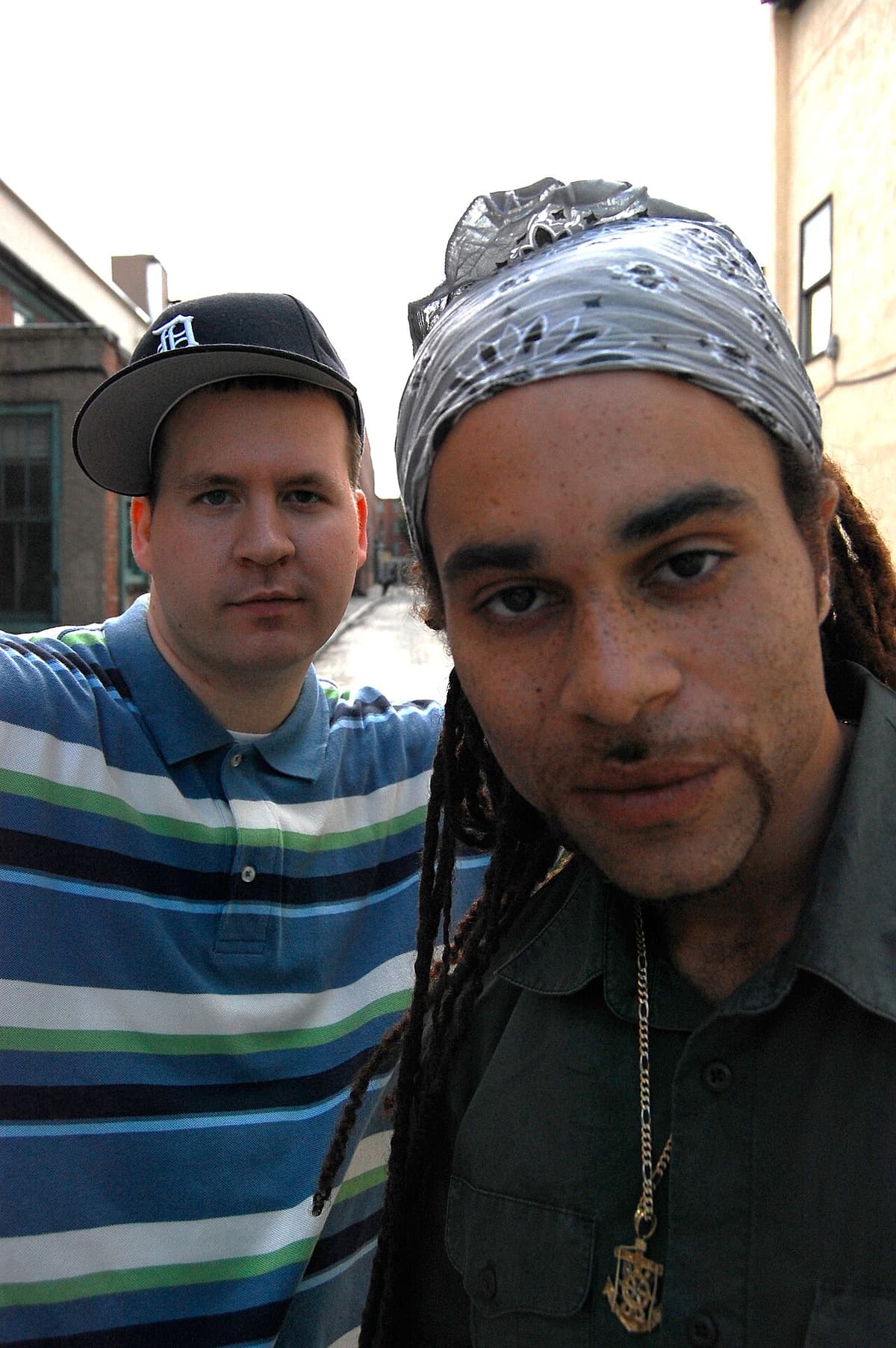
Shares boom bap, abstract hip-hop, conscious hip-hop (subgenres); analog warmth, sample based, minimalist (production style)
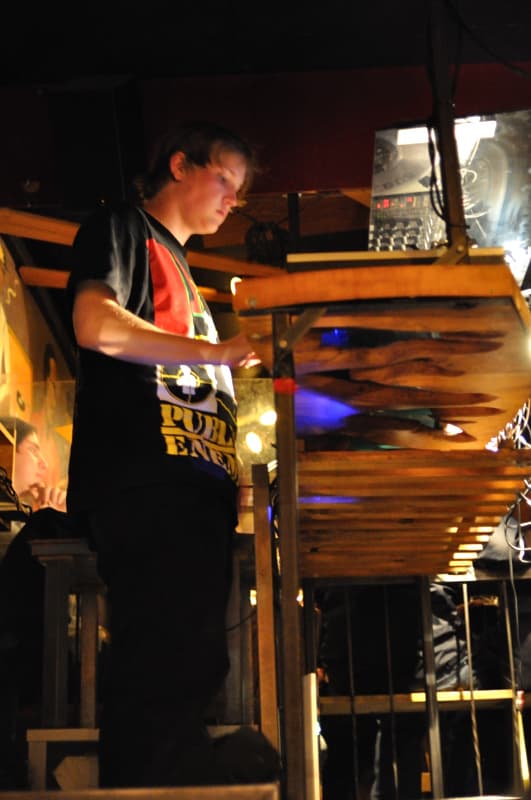
Shares boom bap, conscious hip-hop, abstract hip-hop (subgenres); nostalgic, peaceful, contemplative (moods)
Shares boom bap, conscious hip-hop, abstract hip-hop (subgenres); sample based, analog warmth, lo fi (production style)
Shares boom bap, abstract hip-hop, conscious hip-hop (subgenres); sample based, analog warmth, lo fi (production style)
Shares boom bap, conscious hip-hop, abstract hip-hop (subgenres); sample based, lo fi, analog warmth (production style)
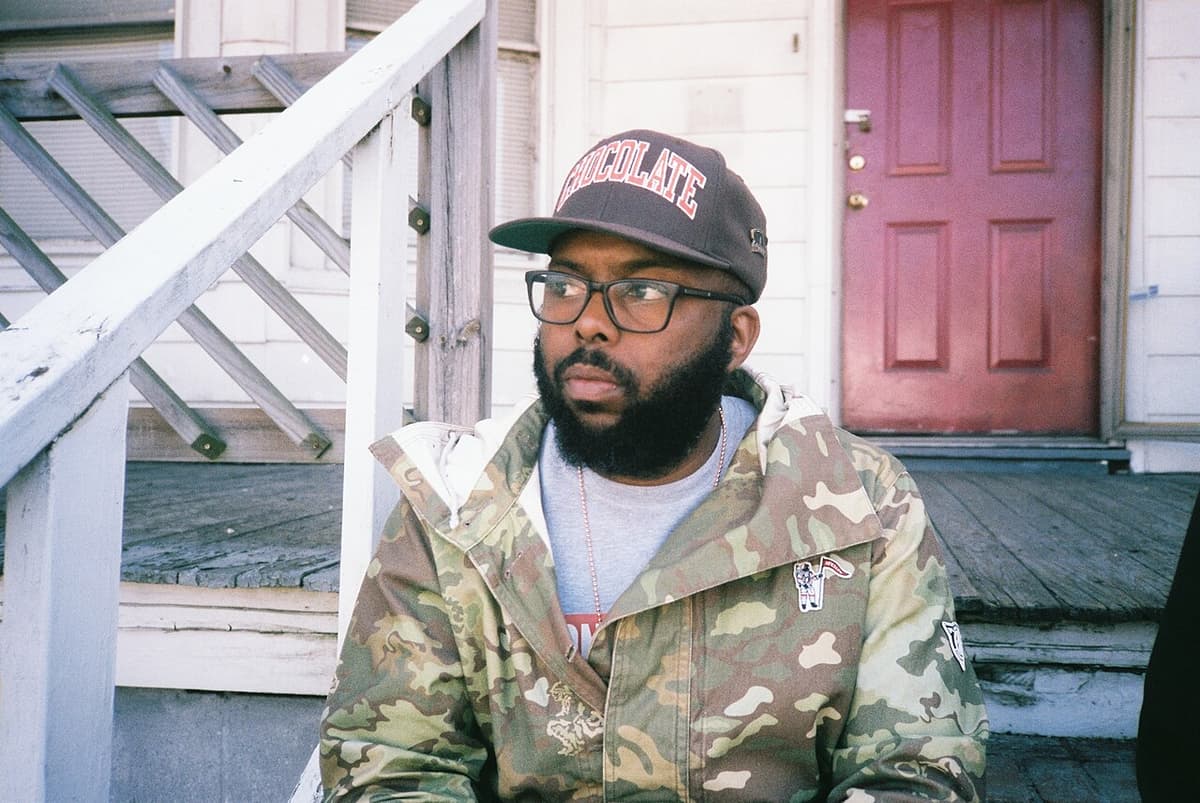
Shares jazz hop, conscious hip-hop, abstract hip-hop, boom bap (signature)
Cassette uses generative AI to enrich its catalog. How we use AI →