Dream Frequency captures the lightning-in-a-bottle energy of the UK's early nineties rave explosion. It is music built for massive sound systems and damp warehouse walls, characterized by its high-velocity breakbeats and the kind of piano stabs that immediately signal a peak-time anthem. There is a sense of communal joy baked into every track, a relic of a time when electronic music felt like a brand new frontier of freedom.
What sets Ian Bland's project apart is the bridge it built between the soulful house of Chicago and the harder, faster sounds emerging from the North of England. By pairing Debbie Sharp's powerful, gospel-inflected vocals with aggressive techno textures and breakbeat patterns, Dream Frequency created a blueprint for the 'hardcore' sound that would eventually splinter into jungle and trance. It is melodic yet punishing, polished yet raw.
Start with 'Feel So Real' to understand their chart-topping appeal, then dive into 'Live The Dream' for a taste of the authentic Blackburn rave spirit. This is essential listening for anyone wanting to trace the lineage of modern dance music back to its most ecstatic, uninhibited roots.
Dream Frequency are an English electronic music group, formed in Preston, Lancashire, England. Founded by Ian Bland in the late 1980s as one of his numerous projects, together with American singer Debbie Sharp, the duo performed initially at local events in the English rave clubs such as Shelley's. In early 1992, the project gained their first hit single with "Feel So Real", which peaked at No. 23 on the UK Singles Chart. Shortly thereafter, "Take Me" reached No. 39 in the UK chart; the latter was released as a promo in the United States but failed to chart there. In 1994, their further efforts "Good Times" / "The Dream" (No. 67) and "You Make Me Feel Mighty Real" (No. 65) also made brief forays into the UK chart. At the time, Ian Bland was also involved with fellow chart acts, Beat Renegades, Quake featuring Marcia Rae, and Red. After a long pause, Dream Frequency became active again at the beginning of the new millennium, and was still represented both nationally and internationally. Bland was also one half of Dancing Divaz, and also one half of Quake and Dejure. Bland is currently producing under Hollywood Hills and runs his own label Maison Records.
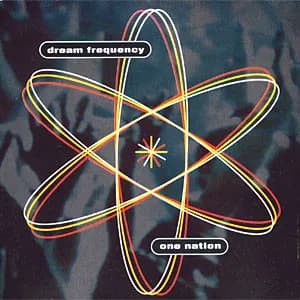
Shares sample based, analog warmth, compressed loud (production style); house, techno (subgenres)
Shares house, techno, eurodance (subgenres); euphoric, energetic, joyful (moods)
Shares techno, hardcore punk, house (subgenres); sample based, analog warmth, compressed loud (production style)
Shares house, techno, eurodance (subgenres); euphoric, energetic, nostalgic (moods)
Shares house, techno, hardcore punk (subgenres); euphoric, energetic, nostalgic (moods)
Shares house, eurodance, hardcore punk (subgenres); euphoric, energetic, joyful (moods)
Shares house, hardcore punk, techno (subgenres); festival, basement show, urban night (atmosphere)
Shares sample based, analog warmth, compressed loud (production style); house, techno (subgenres)
Shares house, techno (subgenres); euphoric, energetic, joyful (moods)
Shares house, hardcore punk, techno (subgenres); belting, soprano, processed (vocal style)
Shares breakbeat, piano, hardcore punk, techno (signature)
Cassette uses generative AI to enrich its catalog. How we use AI →