Dik Dik
Sun-drenched Italian beat and baroque pop featuring lush organ swells and nostalgic vocal harmonies. Perfect for golden hour drives and vintage Mediterranean moods.
Sun-drenched Italian beat and baroque pop featuring lush organ swells and nostalgic vocal harmonies. Perfect for golden hour drives and vintage Mediterranean moods.
Dik Dik captures the essence of the 1960s Italian 'Beat' scene, a sound defined by its ability to take international psych-pop trends and filter them through a uniquely Mediterranean lens of romanticism. Their music feels like a warm, analog embrace, characterized by prominent Hammond organ textures and vocal harmonies that soar with a distinctly operatic emotionality. It is the sound of a specific era of Italian optimism, yet it is often tinged with a beautiful, productive melancholy.
What truly distinguishes the band is their collaboration with the legendary duo of Mogol and Lucio Battisti. This partnership elevated their sound from simple pop covers to sophisticated compositions that blended the rhythmic drive of the Beatles with the harmonic complexity of Italian melodic traditions. Their famous covers of English-language hits often feel more dramatic and atmospheric than the originals, thanks to their rich, reverb-heavy production and earnest delivery.
Start with their late 60s singles like 'Senza luce' or 'Sognando la California' to hear how they transformed psych-rock into something grand and cinematic. For those interested in their evolution, their 1970s output offers a fascinating glimpse into how a pop-beat band navigated the transition into more experimental, progressive territory without losing their melodic soul.
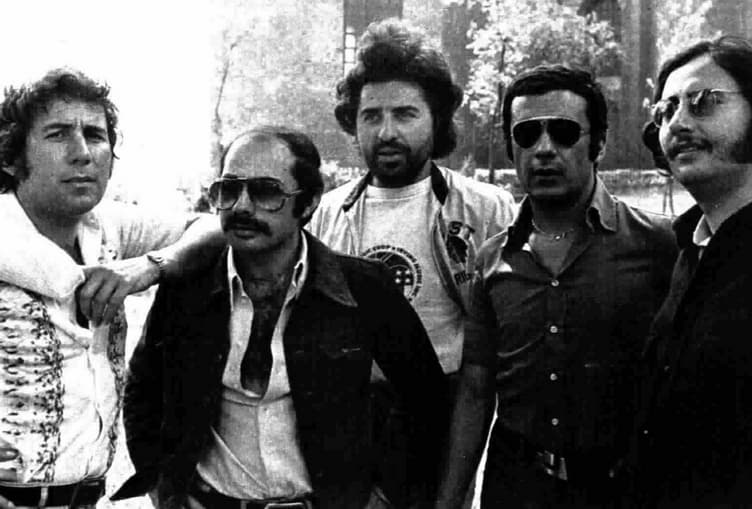
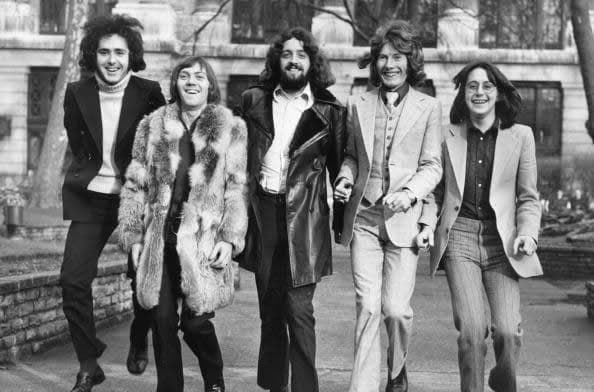
Dik Dik is an Italian beat/pop-rock band, named after the antelope Dik-dik, formed in the 1960s and still active. They were most popular in the late 1960s, when they released a string of hit singles with the contribution of renowned lyric-writer Mogol and songwriter Lucio Battisti, their greatest successes being "Sognando la California" and "Senza luce", respectively covers of "California Dreamin'" by the Mamas and Papas and "A Whiter Shade of Pale" by Procol Harum. While their early production is mostly inspired by the Beatles, in the 1970s they also experimented in other genres, including progressive rock. They went on hiatus in the 1980s but later returned to the scene, mostly in revival television shows and live performances.
Shares analog warmth, orchestral arrangement, reverb heavy (production style); harmonized, crooning, gentle (vocal style)
Shares analog warmth, orchestral arrangement, reverb heavy (production style); pop rock, psychedelic rock, baroque pop (subgenres)
Shares analog warmth, orchestral arrangement, reverb heavy (production style); pop rock, psychedelic rock, baroque pop (subgenres)
Shares pop rock, psychedelic rock, baroque pop (subgenres); analog warmth, orchestral arrangement, studio polished (production style)
Shares analog warmth, orchestral arrangement, reverb heavy (production style); nostalgic, wistful, dreamy (moods)
Shares harmonized, crooning, gentle (vocal style); pop rock, psychedelic rock, baroque pop (subgenres)
Shares pop rock, psychedelic rock, baroque pop (subgenres); analog warmth, reverb heavy, studio polished (production style)
Shares pop rock, psychedelic rock, baroque pop (subgenres); analog warmth, orchestral arrangement, studio polished (production style)
Shares analog warmth, orchestral arrangement, reverb heavy (production style); nostalgic, wistful, dreamy (moods)
Cassette uses generative AI to enrich its catalog. How we use AI →