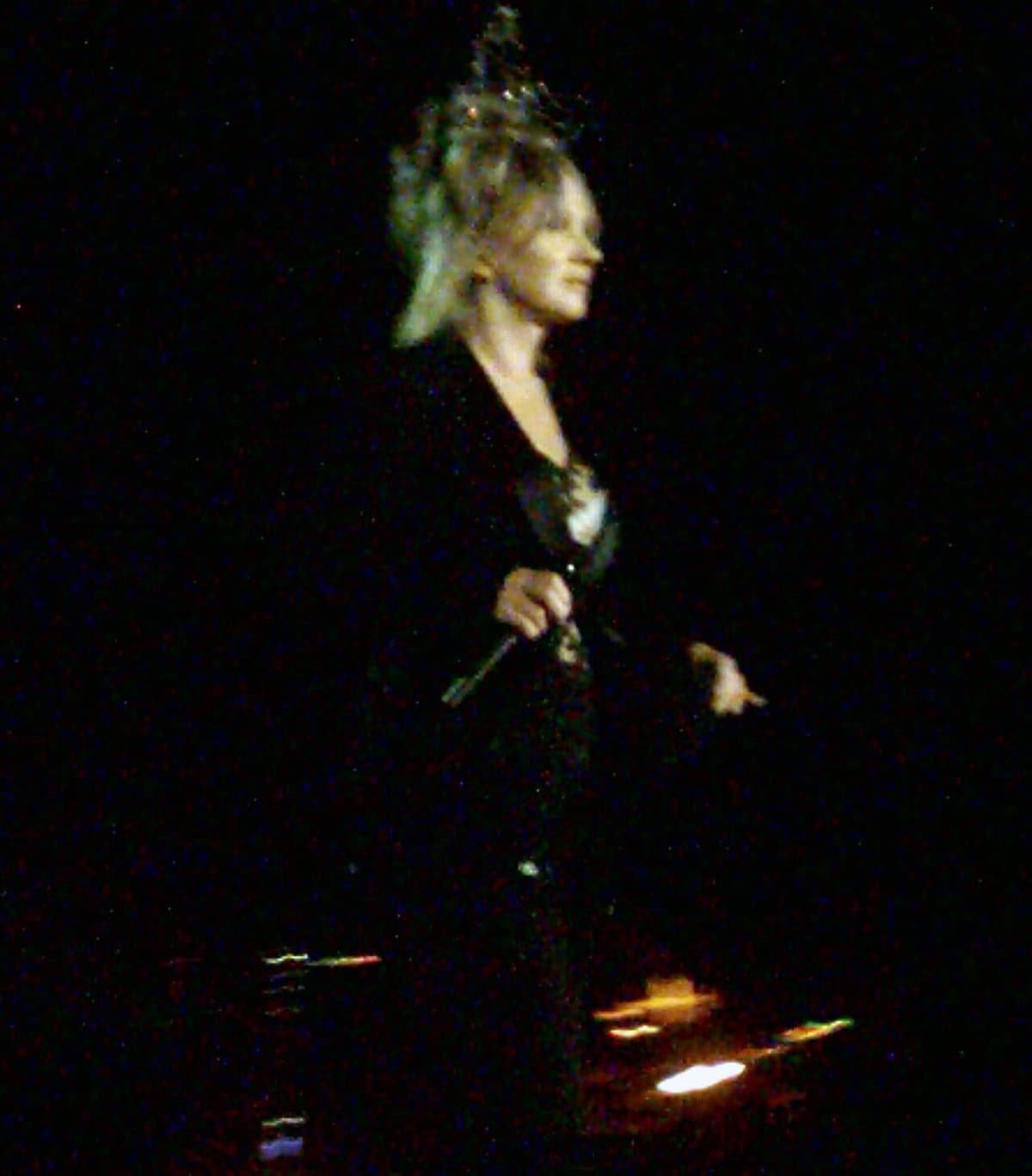
Diane Dufresne
High-drama Quebecois pop that pairs operatic intensity with rock and roll grit. It is theatrical, emotionally fearless, and built for the biggest possible stage.
High-drama Quebecois pop that pairs operatic intensity with rock and roll grit. It is theatrical, emotionally fearless, and built for the biggest possible stage.
Diane Dufresne is the undisputed high priestess of Quebecois rock-chanson. Her music is a sensory explosion, blending the sophisticated storytelling of French chanson with the raw, electric energy of 1970s glam rock. It sounds like a Broadway production that decided to move to a dive bar, then eventually to a stadium. There is a constant sense of movement and scale, with lush orchestral swells frequently interrupted by jagged guitar riffs or driving piano melodies.
What truly sets her apart is her uncompromising theatricality. She doesn't just sing songs; she inhabits characters with a vocal range that can shift from a vulnerable, breathy whisper to a glass-shattering operatic belt in a single breath. Her collaboration with Luc Plamondon created a unique lyrical universe that is both deeply personal and sharply observant of the modern world, delivered with a 'characteristic craziness' that redefined the role of the female performer in Canada.
To understand her impact, start with her 1972 breakthrough 'Tiens-toé ben, j’arrive!'. It captures the moment where the traditional chanson of her Paris years collided with the burgeoning rock scene of Montreal, creating a sound that is as intellectually stimulating as it is viscerally exciting.
Diane Dufresne, (French pronunciation: [djan dyfʁɛn]; born 30 September 1944) is a French Canadian singer and painter, and is known for singing a large repertoire of popular Quebec songs. Dufresne was born in Montreal, Quebec, Canada. She lived in Paris from 1965 to 1967 where she studied voice with Jean Lumière and dramatic art with Françoise Rosay. While there, she performed in noted boîtes à chansons such as l'Écluse, l'Échelle de Jacob, and le Caveau de la Bolée. On her return to Montreal, she began a collaboration with composer François Cousineau, and lyricist Luc Plamondon. In March 2019, she was one of 11 singers from Quebec, alongside Ginette Reno, Céline Dion, Isabelle Boulay, Luce Dufault, Louise Forestier, Laurence Jalbert, Catherine Major, Ariane Moffatt, Marie Denise Pelletier and Marie-Élaine Thibert, who participated in a supergroup recording of Renée Claude's 1971 single "Tu trouveras la paix" after Claude's diagnosis with Alzheimer's disease was announced. In 2023, she was inducted into the Canadian Music Hall of Fame.
Shares studio polished, orchestral arrangement, live recording (production style); playful, vulnerable, intense (moods)

Shares art pop, baroque pop, synth-pop (subgenres); maximalist, orchestral arrangement, studio polished (production style)
Shares maximalist, studio polished, orchestral arrangement (production style); belting, operatic, intense (vocal style)
Shares maximalist, studio polished, orchestral arrangement (production style); urban night, festival, stargazing (atmosphere)
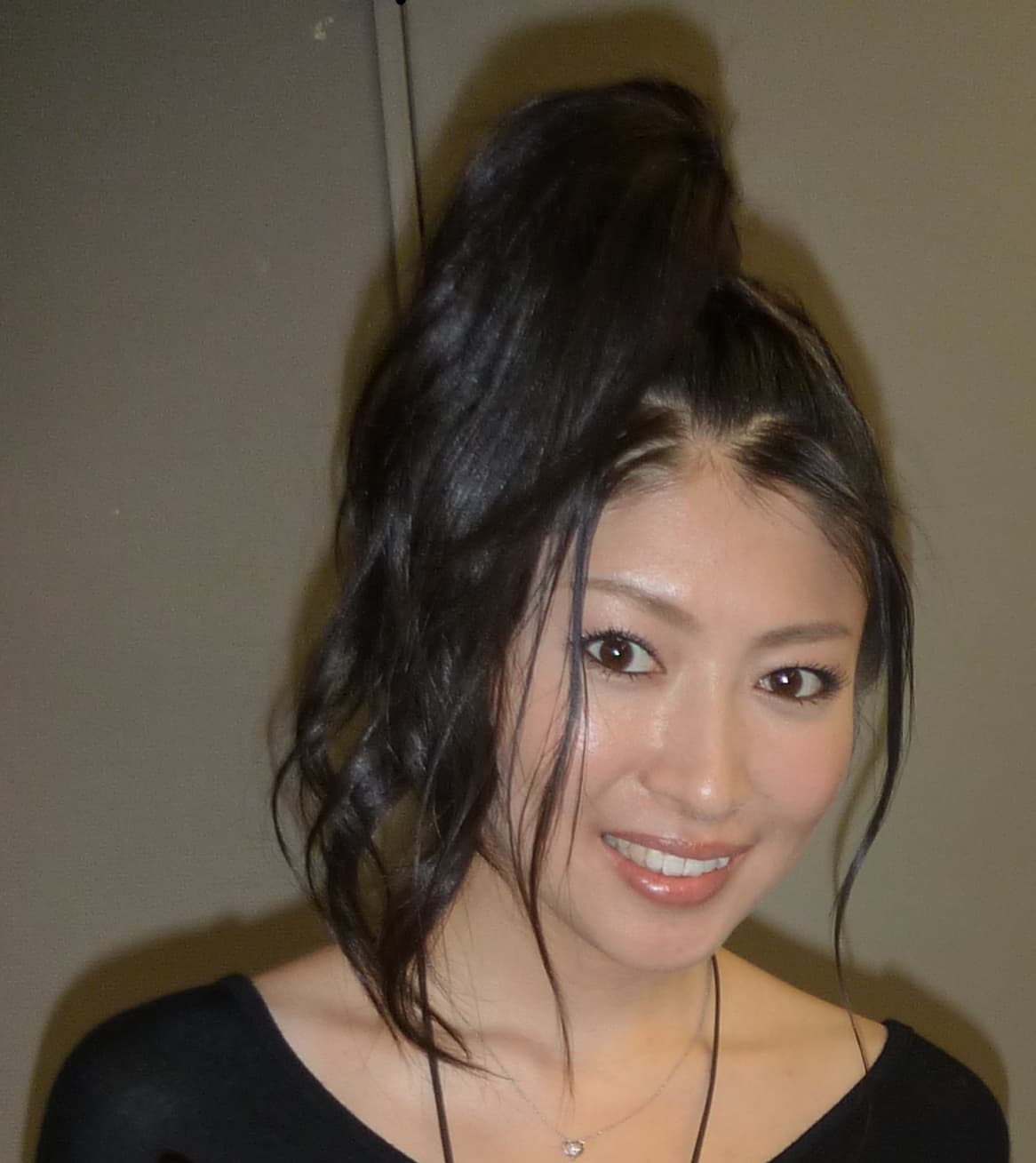
Shares art pop, synth-pop (subgenres); maximalist, orchestral arrangement, wall of sound (production style)
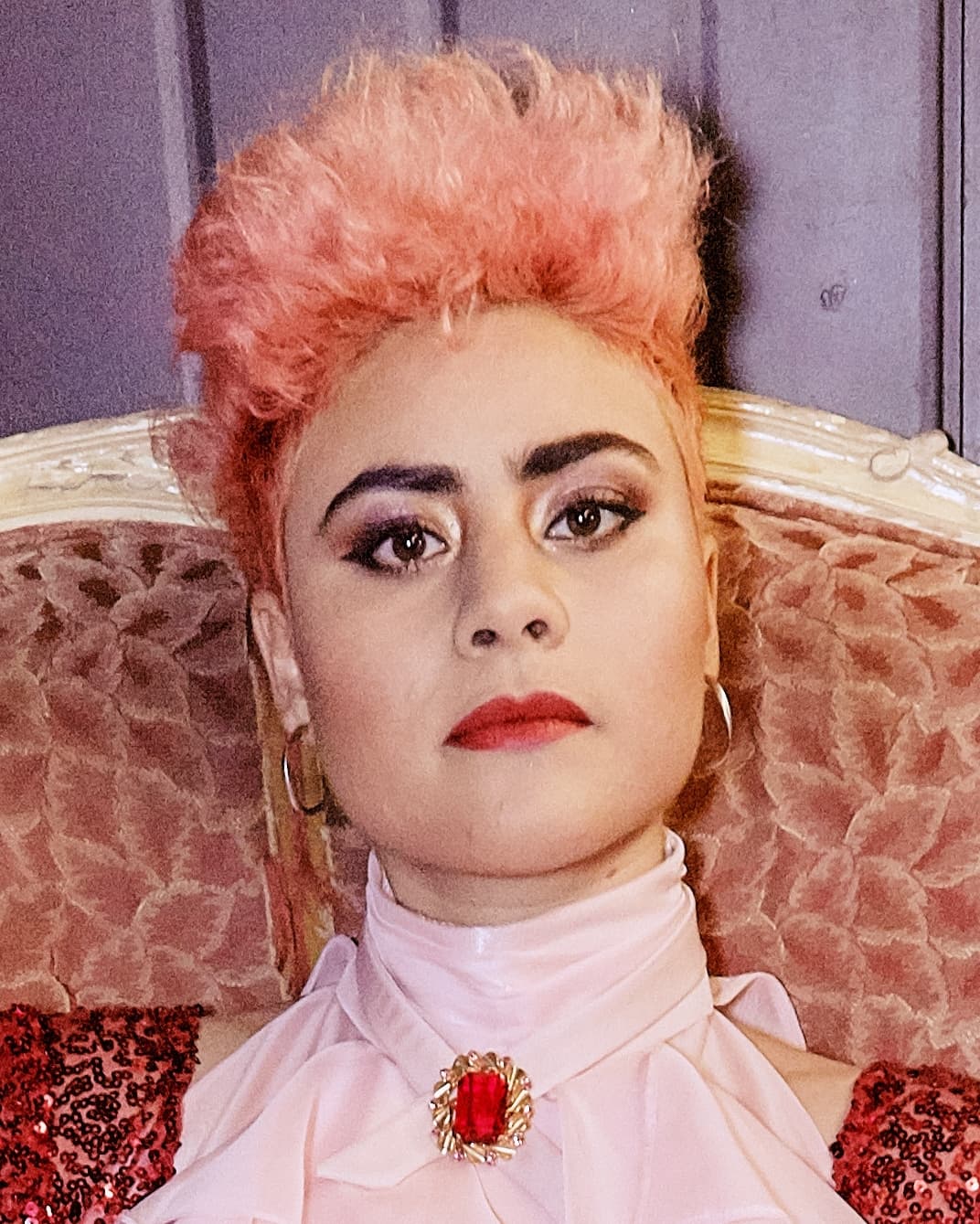
Shares playful, vulnerable, intense (moods); maximalist, studio polished, orchestral arrangement (production style)
Cassette uses generative AI to enrich its catalog. How we use AI →