De Nattergale occupy a singular space in Danish culture, blending high-level musicality with grounded, regional comedy. Their sound is fundamentally organic, built on acoustic guitars, upright bass, and impeccable three-part vocal harmonies that recall the golden age of swing and vocal jazz. It is music that feels lived-in, warm, and intentionally unpolished in its delivery, yet technically sophisticated in its arrangement.
What truly distinguishes them is their linguistic playfulness, specifically the invention of 'Danglish' - a phonetic and grammatical mashup of Danish and English. This, combined with their thick West Jutlandic dialects, creates a sense of 'hygge' that is both ironic and deeply sincere. They manage to satirize rural life while simultaneously acting as its most beloved ambassadors, using music as a vehicle for character-driven storytelling.
For the uninitiated, their holiday material is the essential gateway. It captures a specific kind of cozy, slightly absurd winter atmosphere that has become a mandatory part of the Danish December experience. Beyond the comedy, the musicianship stands on its own as a tribute to mid-century pop and folk traditions.
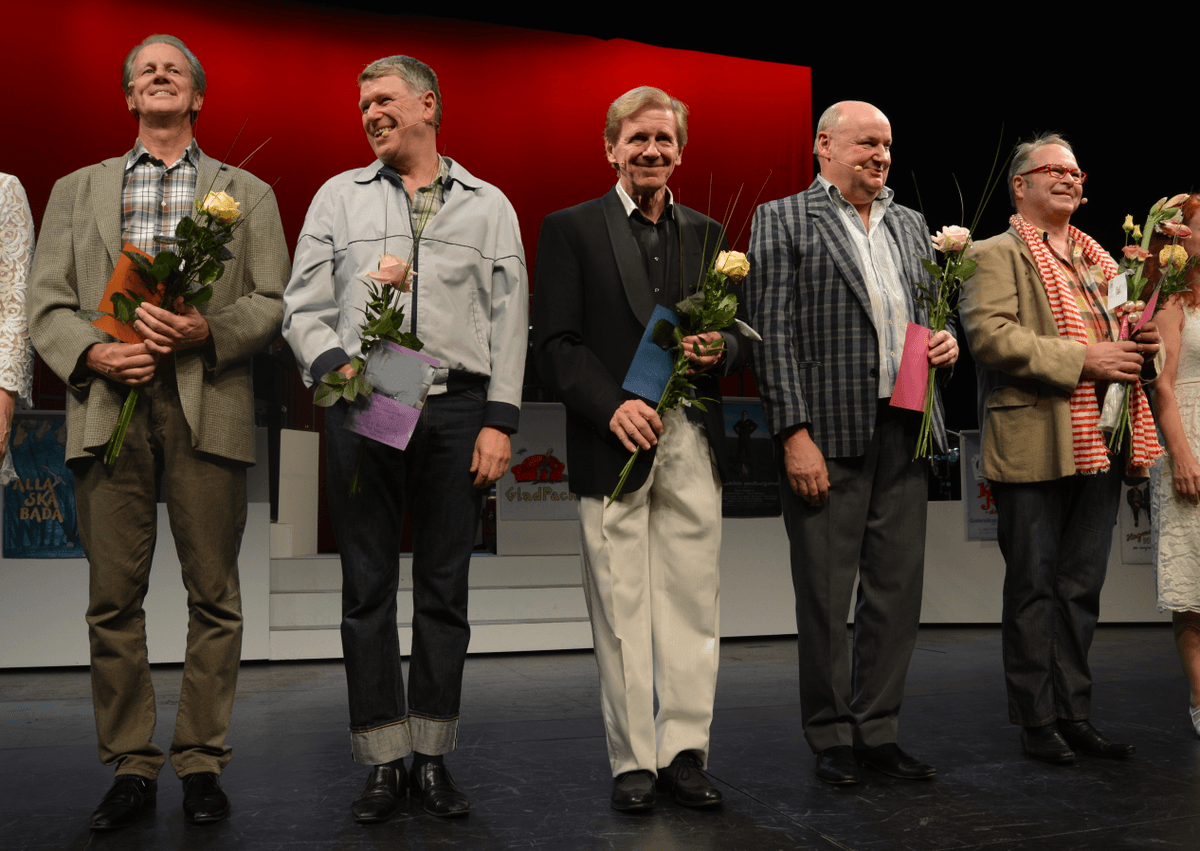
De Nattergale is a Danish comedy band/act. They have made several CDs and three TV advent calendars on TV2, of which the most famous is The Julekalender (of which a Norwegian version was made in 1994, and a Finnish version appeared in 1997). The group consists of Viggo Sommer, Carsten Knudsen and Uffe Rørbæk Madsen. The word Nattergale is a pun, and could mean both "nightingale", as the group sing, but also "nattergale", which means "night-crazy" - "lunatics". The group as it is now was formed in 1983, although Viggo and Carsten met each other as early as in 1979. The group released their first album in 1988 called Hva har vi da gjort ... siden vi ska' ha'et så godt. In 1989 they released their first hit record entitled Nu ka' det vist ik bli' meget bedre which includes their two hit singles: "Uha-da-da" and "Gule ærter". The group are known for their invented nonsensical expressions and for speaking in a mixture of English and their own language. They have been described as an example of how rural Jutland "celebrates its own worth and qualities". In later years they have had a comeback with their advent calendars: The Julekalender, Canal Wild Card, and CWC World. Their album Songs from the Julekalender reached #14 in the Danish record charts. while The Boks reached #3.


Shares traditional pop, swing, vocal jazz (subgenres); playful, joyful, nostalgic (moods)
Shares traditional pop, vocal jazz, swing (subgenres); live recording, analog warmth, minimalist (production style)
Shares traditional pop, vocal jazz, swing (subgenres); playful, nostalgic, joyful (moods)
Shares traditional pop, vocal jazz, swing (subgenres); joyful, playful, nostalgic (moods)
Shares playful, nostalgic, joyful (moods); harmonized, baritone, crooning (vocal style)
Shares traditional pop, swing, vocal jazz (subgenres); playful, joyful, nostalgic (moods)
Shares traditional pop, vocal jazz, swing (subgenres); playful, joyful, nostalgic (moods)
Shares traditional pop, vocal jazz, swing (subgenres); playful, joyful, nostalgic (moods)
Shares swing, rockabilly, vocal jazz, traditional pop (subgenre)
Shares holiday season, swing, vocal jazz, traditional pop (signature)
Cassette uses generative AI to enrich its catalog. How we use AI →