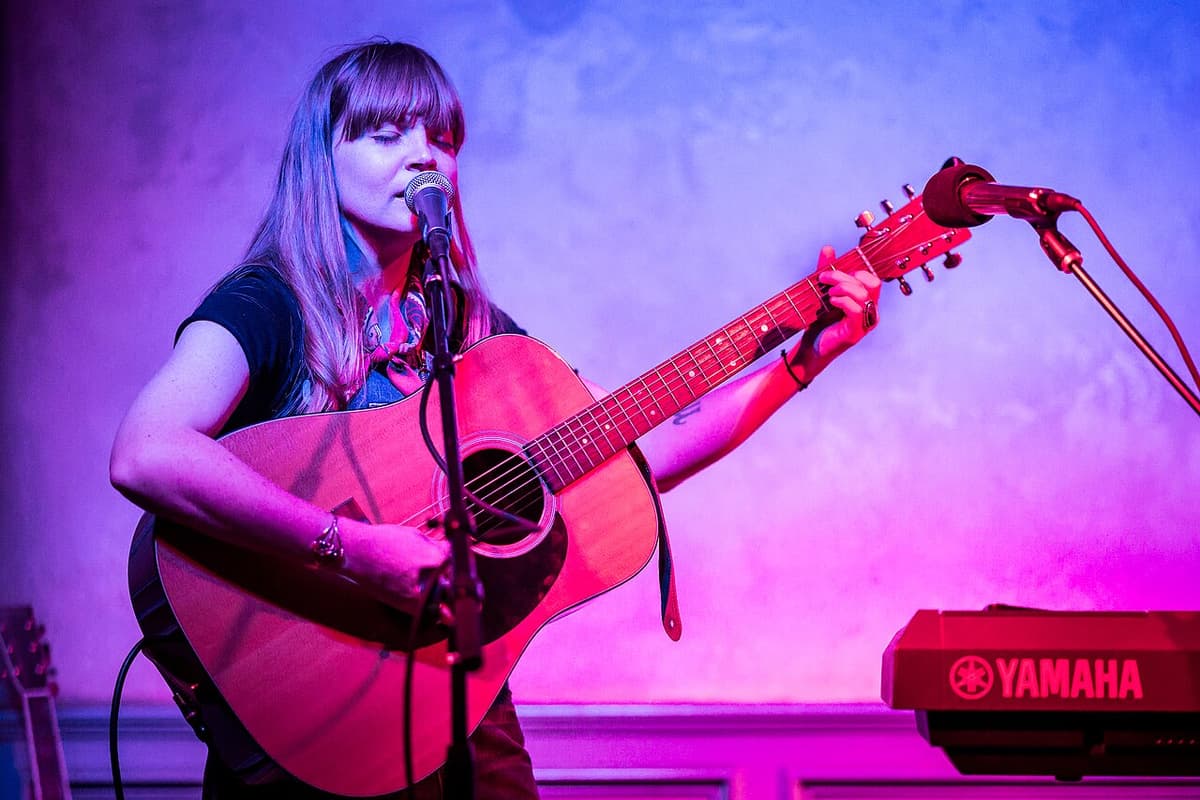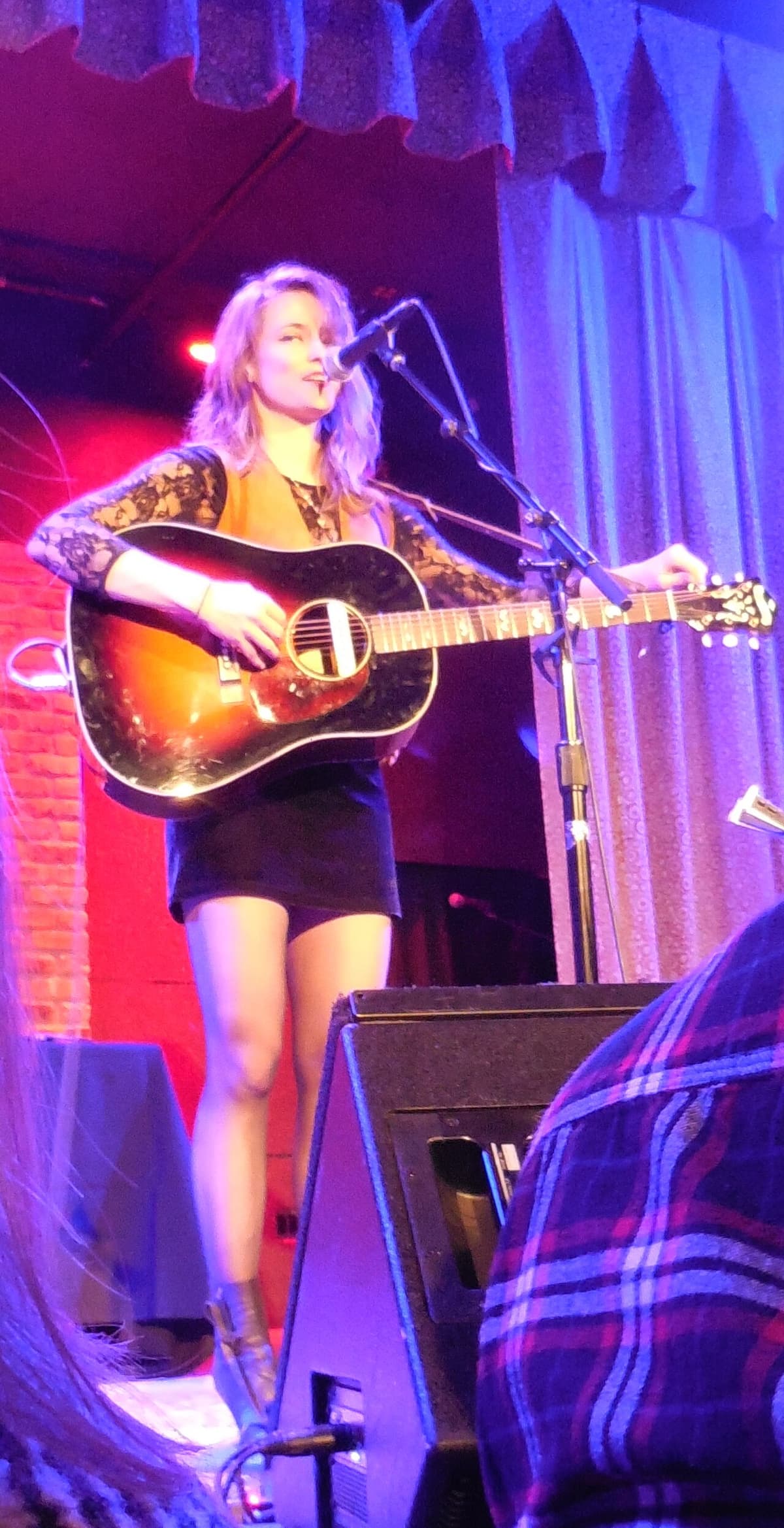
Dawn Landes
Warm, meticulously crafted indie folk that feels like a sun-drenched wooden room. Gentle vocals and glockenspiel accents for quiet mornings and long drives.
Warm, meticulously crafted indie folk that feels like a sun-drenched wooden room. Gentle vocals and glockenspiel accents for quiet mornings and long drives.
Dawn Landes is a multifaceted American singer-songwriter and producer whose career bridges the gap between traditional roots music and modern indie-folk. Born in Kentucky and raised in Missouri, Landes moved to New York City where she developed a rigorous technical background as an audio engineer, interning at Stratosphere Sound and working at Philip Glass's studio.
This technical expertise is a hallmark of her sound, characterized by high-fidelity analog warmth and meticulous spatial arrangements. Her discography, spanning from 'dawn's music' (2005) to 'Meet Me At The River' (2018), shows an evolution from quirky indie-pop experiments to sophisticated, Nashville-influenced Americana. Landes is a frequent collaborator within the Brooklyn indie scene, having performed with the band Hem and toured as a multi-instrumentalist for Sufjan Stevens. Her work is highly regarded by critics for its emotional intelligence and sonic precision, often drawing comparisons to both classic country icons and contemporary alt-rock innovators. She occupies a unique cultural space as a 'musician's musician,' respected equally for her songwriting and her production credits.
Shares pedal steel, chamber folk, americana, indie folk (instrumentation)
Shares chamber folk, cabin_in_woods, indie folk, analog_warmth (subgenre)
Shares hushed double-tracked vocals, banjo, chamber folk, cabin_in_woods (detail)
Shares chamber folk, cabin_in_woods, americana, indie folk (subgenre)
Shares minimalist percussion pockets, chamber folk, cabin_in_woods, americana (detail)
Shares pedal steel, chamber folk, cabin_in_woods, americana (instrumentation)
Shares chamber folk, cabin_in_woods, americana, indie folk (subgenre)
Shares banjo, chamber folk, cabin_in_woods, americana (instrumentation)
Shares chamber folk, cabin_in_woods, americana, indie folk (subgenre)
Cassette uses generative AI to enrich its catalog. How we use AI →