Dawg Yawp sounds like a bridge between two worlds that never should have met but somehow fit perfectly. It is the earthy, grounded feeling of Ohio riverbank folk music suddenly elevated by the shimmering, metallic drone of a sitar. The music feels organic and hand-spun, yet there is a subtle electronic pulse beneath the surface that betrays the duo's background in the techno and DJ scenes. It is warm, sun-drenched, and deeply psychedelic without ever losing its melodic heart.
What makes them truly distinctive is the way Tyler Randall and Rob Keenan treat the sitar not as a gimmick, but as a primary songwriting tool. Instead of using it for Eastern flavor, they play it with the rhythmic sensibility of a folk guitarist. Their voices blend in tight, brother-style harmonies that recall the 1960s Laurel Canyon era, but the production is distinctly modern, utilizing drum machines and synthesizers to create a 'folktronica' sound that feels both ancient and futuristic.
Start with their self-titled debut album. It is the purest distillation of their sound, moving from the catchy, sitar-driven hooks of 'Can't Keep My Mind Off You' to more experimental, atmospheric tracks. It is the perfect introduction to a band that manages to make the sitar feel like a standard American folk instrument.


Shares psychedelic rock, folk rock, vocal layering, chamber pop (signature)
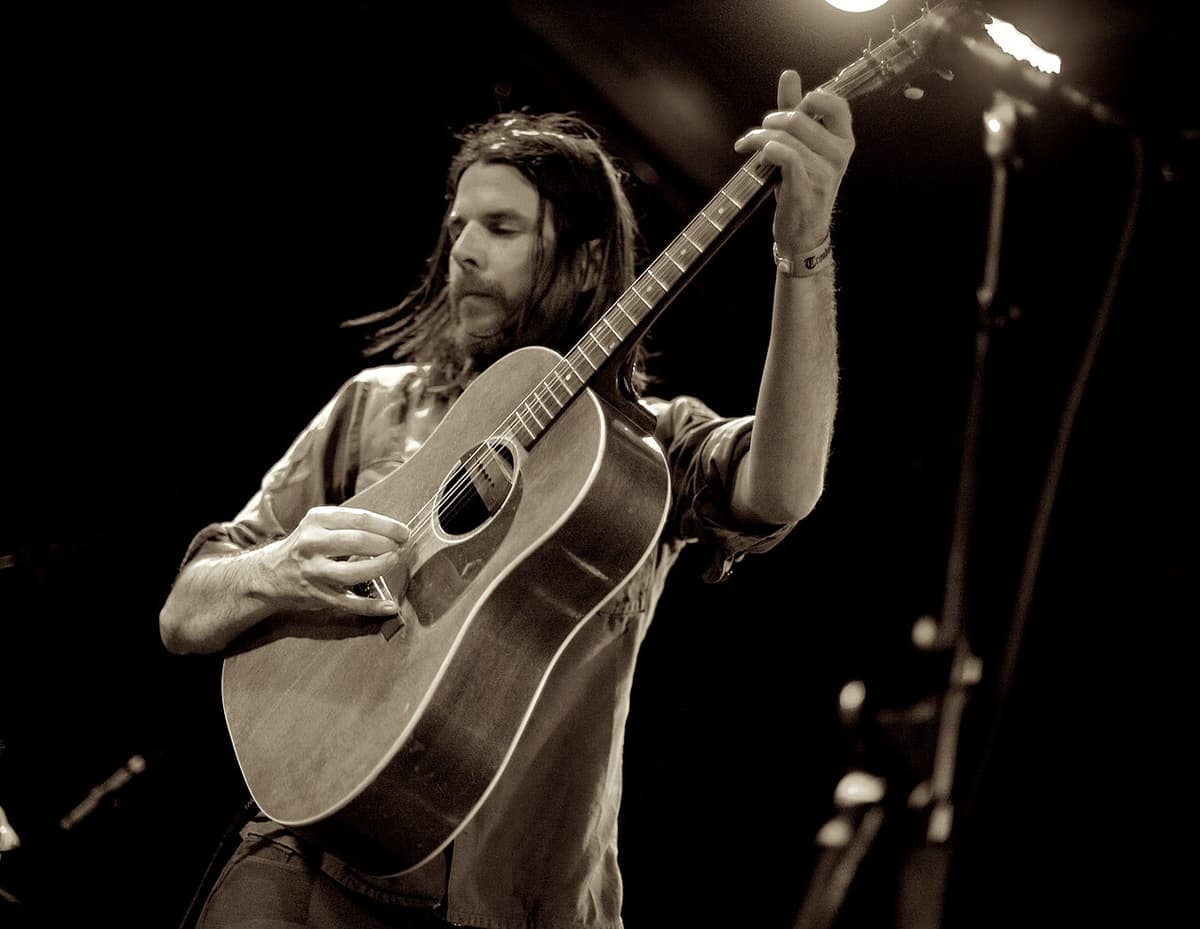
Shares indie folk, harmonized, psychedelic rock, chamber pop (subgenre)
Shares folk rock, indie folk, harmonized, vocal layering (subgenre)
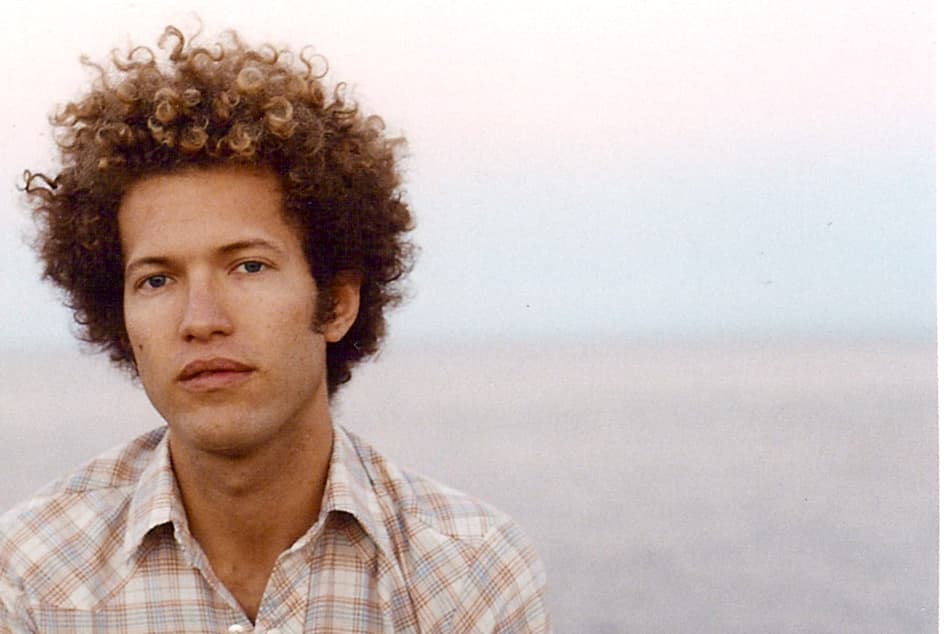
Shares sitar, folk rock, psychedelic rock, forest (signature)
Shares folk rock, indie folk, harmonized, psychedelic rock (subgenre)
Shares folk rock, indie folk, harmonized, forest (subgenre)
Shares folk rock, indie folk, harmonized, vocal layering (subgenre)
Shares psychedelic rock, harmonized, vocal layering, dreamy (signature)
Cassette uses generative AI to enrich its catalog. How we use AI →