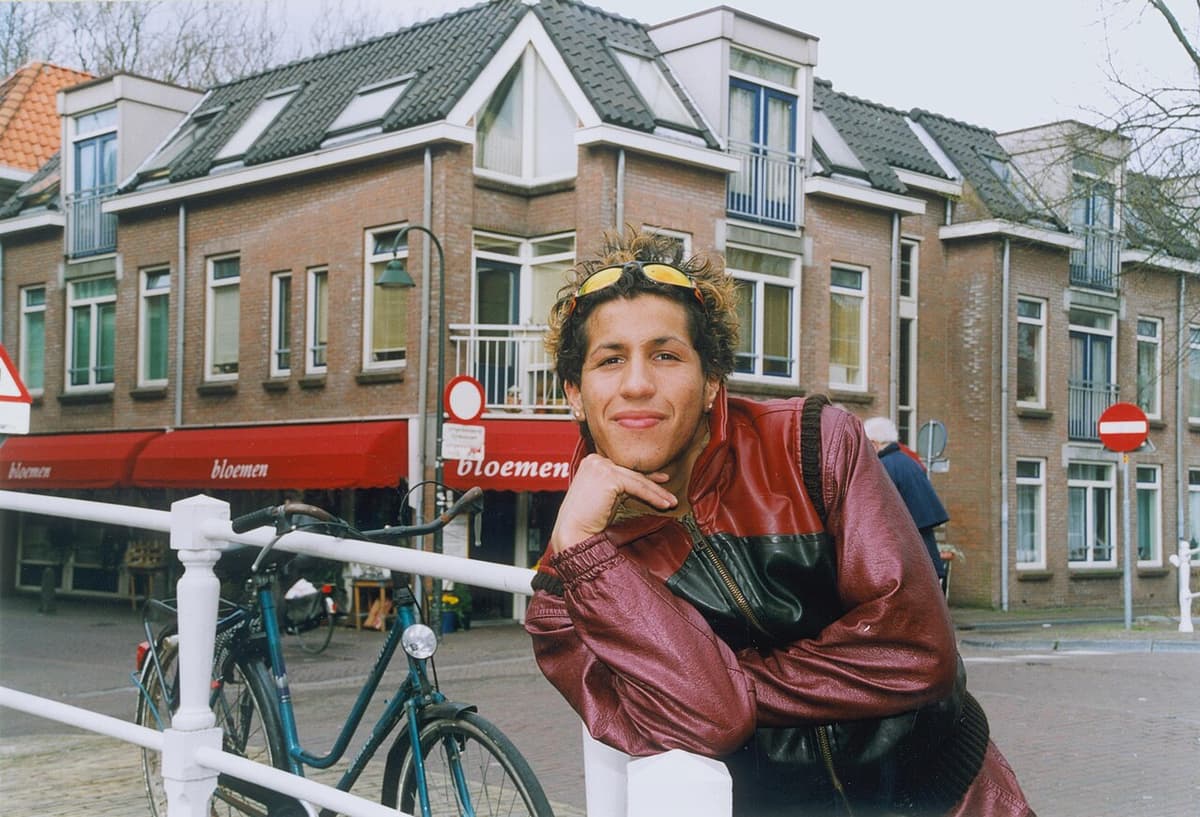
David Civera
High-energy Spanish pop built for summer heat and dance floors. Polished, romantic, and undeniably catchy anthems from the golden era of Eurovision.
High-energy Spanish pop built for summer heat and dance floors. Polished, romantic, and undeniably catchy anthems from the golden era of Eurovision.
David Civera is a pivotal figure in the early 21st-century Spanish pop landscape, primarily known for revitalizing Spain's presence in the Eurovision Song Contest and dominating the 'Canción del Verano' (Song of the Summer) charts. Emerging from the television talent show circuit, including 'Lluvia de Estrellas,' Civera's sound was refined under the guidance of producer Alejandro Abad.
His 2001 Eurovision entry 'Dile que la quiero' achieved a 6th-place finish, a high-water mark for Spain that remained unsurpassed for over two decades. Musically, his work is characterized by a fusion of Latin rhythms, Euro-dance synths, and traditional pop structures. His career arc saw a transition from a television imitator to a multi-platinum recording artist, with his 2002 album 'En cuerpo y alma' cementing his status as a commercial powerhouse. Critically, he is viewed as a master of the 'summer hit' formula, possessing a vocal clarity and stage charisma that appealed to a broad multi-generational demographic across Spain and Latin America.
Shares latin pop, dance-pop (subgenres); joyful, playful, romantic (moods)
Shares latin pop, dance-pop, tropical (subgenres); joyful, playful, romantic (moods)

Shares latin pop, dance-pop, tropical (subgenres); studio_polished, digital_clarity, maximalist (production style)
Shares latin pop, dance-pop, tropical (subgenres); summer, festival (atmosphere)
Shares latin pop, dance-pop, tropical (subgenres); joyful, energetic, playful (moods)

Shares latin pop, dance-pop (subgenres); studio_polished, maximalist, digital_clarity (production style)
Shares latin pop, dance-pop, tropical (subgenres); studio_polished, digital_clarity, maximalist (production style)
Shares latin pop, dance-pop, tropical (subgenres); joyful, energetic, playful (moods)
Cassette uses generative AI to enrich its catalog. How we use AI →