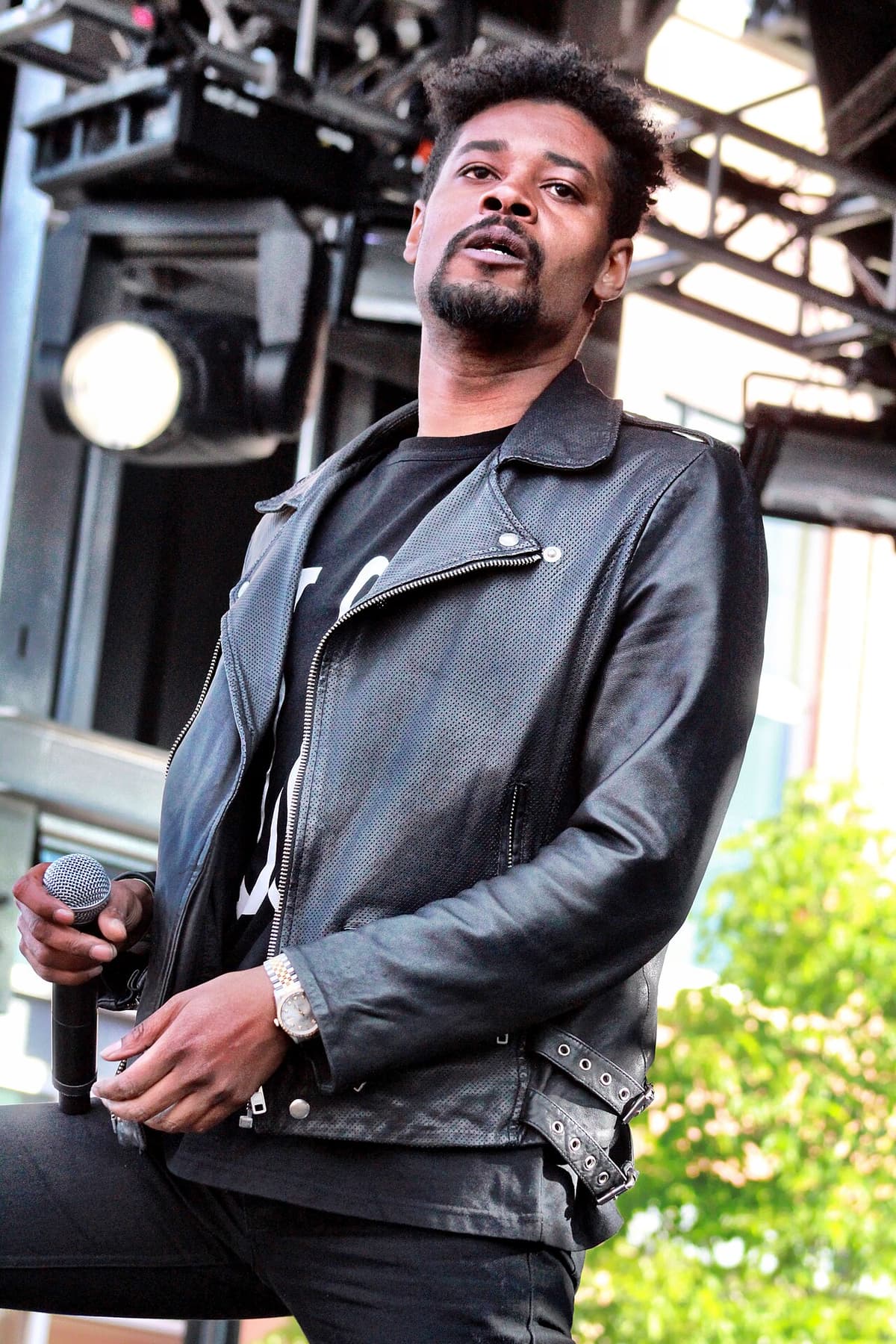
Danny Brown
High-velocity, manic rap that pairs jagged industrial production with raw, confessional storytelling. Intense, unpredictable, and deeply human.
High-velocity, manic rap that pairs jagged industrial production with raw, confessional storytelling. Intense, unpredictable, and deeply human.
Emerging from the Detroit underground with a manic, high-pitched squawk and a taste for avant-garde production, Danny Brown spent the 2010s rewriting the rules of experimental hip-hop.
Balancing a traditional street narrative with left-field influences ranging from UK grime to progressive rock, the rapper built his reputation on a stark juxtaposition of grim reality and dark, drug-fueled humor. His distinctive vocal delivery and unconventional fashion sense initially alienated major labels, leading him to find a home on independent imprints like Fool's Gold and Warp, where he established himself as one of rap's most singular, uncompromising voices.
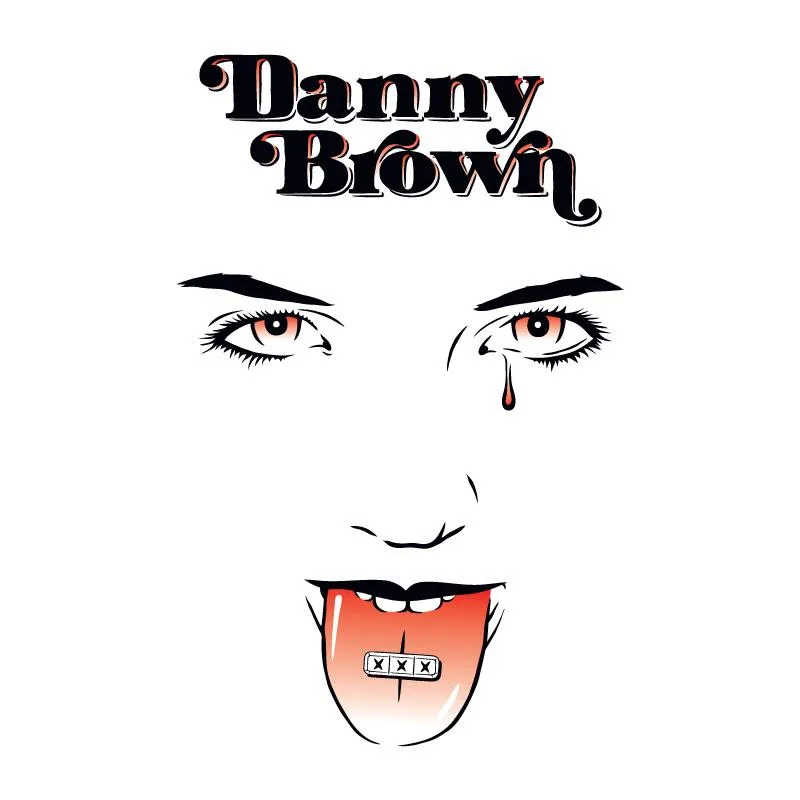
A nasal, high-pitched squawk collides with the grim reality of a thirty-year-old staring down his own mortality, shattering the polite boundaries of indie-rap. This record abandoned the traditional, gritty Detroit boom-bap of his youth to engineer a manic, electronic-laced purgatory. You are dragged through a bipolar weekend of drug-fueled euphoria before the comedown hits like a physical blow, exposing the terror of addiction and poverty. It transformed a journeyman rapper into a generational auteur. By risking total self-destruction on the mic, he redefined how dark, desperate, and brilliant modern hip-hop could be.

A cold, metallic snare snaps against the smell of damp basement concrete before the floor drops out into a neon-lit rave. This record splits itself clean down the middle, trapping you first in the claustrophobic anxiety of a Detroit winter, then throwing you headfirst into a sweaty, strobe-lit crowd. The bass rattles your teeth while the vocals shift from a desperate, raspy whisper to a manic, high-pitched squeal. It feels like a long night that refuses to end.

A manic, drug-fueled descent into industrial noise
A jagged wall of post-punk guitars and blown-out industrial noise finally collides with the manic, high-pitched desperation of a voice pushed to its absolute limit. This record perfected a descent into drug-fueled paranoia, turning the chaotic excess of previous releases into a sharp, claustrophobic masterpiece. You are trapped inside a crowded, neon-lit room where the walls are sweating and the bass rattles your teeth like a fever dream. By anchoring his wildest, most self-destructive confessions to Paul White’s abrasive, metallic beats, he stopped running from his demons and built them a permanent, terrifying home.
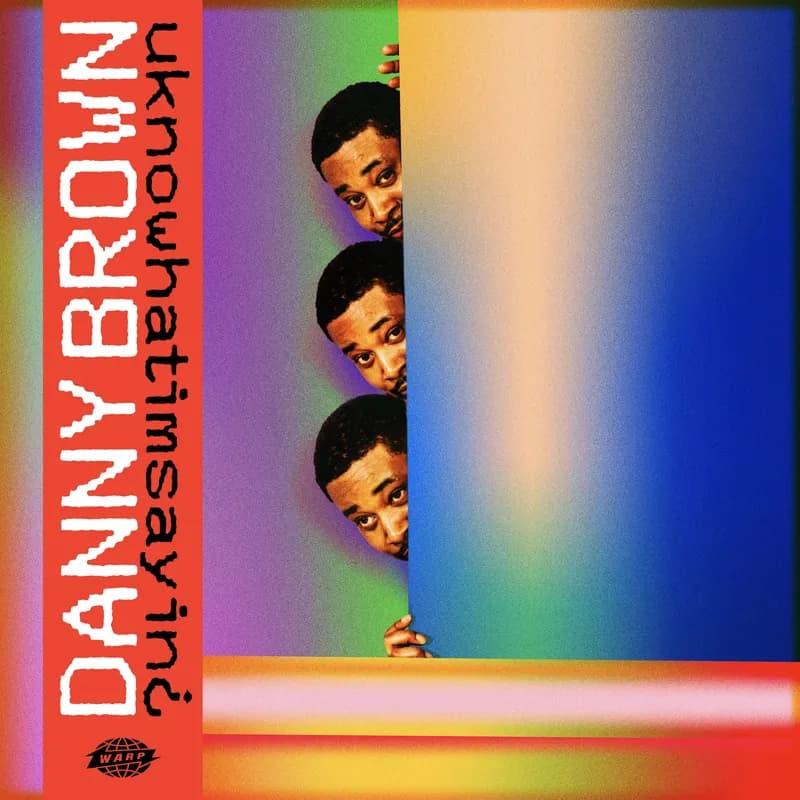
Laughter echoes through a haze of warm, dusty basement beats. Instead of the usual manic, red-lined screech, these tracks settle into a comfortable, mid-tempo groove guided by clean, golden-era basslines. You are sitting in the front row of a smoky comedy club where the jokes are sharp and the storytelling is vivid. It feels like a late-night conversation with an eccentric friend who has finally found his footing, trading chaos for a brilliant, relaxed clarity.

A raspy voice drops an octave, settling into the quiet of a cold Detroit afternoon. The manic, high-pitched shrieks of the club years have cleared out, replaced by the crackle of dusty jazz vinyl and the steady hum of a sober room. You are sitting right at the kitchen table with a man staring down his own reflection at forty. It feels heavy, bruised, and remarkably still, like the first deep breath after a decade-long fever finally breaks.
Danny Brown remains an active, unpredictable force, navigating his post-addiction era with a restless creative curiosity.
Having survived the chaotic extremes of his earlier career, he has transitioned from a manic chronicler of self-destruction into a sober elder statesman of the underground. His recent work proves that his experimental restlessness was never just a chemical byproduct, but the core of a durable, evolving artistry.
Shares abstract hip-hop, industrial (subgenres); lo_fi, noise_textured, sample_based (production style)
Shares abstract hip-hop, industrial (subgenres); intense, playful, anxious (moods)
Shares lo_fi, noise_textured, sample_based (production style); urban_night, basement_show, late_night (atmosphere)
Shares abstract hip-hop, industrial (subgenres); noise_textured, sample_based, lo_fi (production style)

Shares abstract hip-hop, industrial (subgenres); lo_fi, noise_textured, sample_based (production style)
Shares abstract hip-hop, industrial (subgenres); noise_textured, lo_fi, sample_based (production style)
Shares abstract hip-hop, industrial (subgenres); noise_textured, sample_based, maximalist (production style)
Shares abstract hip-hop, industrial (subgenres); lo_fi, noise_textured, sample_based (production style)
Shares abstract hip-hop, industrial (subgenres); noise_textured, sample_based, lo_fi (production style)
Shares abstract hip-hop, boom bap, trap, maximalist (signature)
Shares abstract hip-hop, nasal, anxious, trap (signature)
Cassette uses generative AI to enrich its catalog. How we use AI →