Da Bush Babees occupy that sweet, hazy spot in the mid-90s hip-hop landscape where the street meets the spiritual. Their sound is defined by a heavy, dusty boom-bap foundation that feels like it was pulled straight from a basement in Brooklyn, but it is constantly elevated by the West Indian heritage of its members. You can hear the Caribbean influence not just in the occasional patois or 'toasting' style, but in the rhythmic elasticity and the sun-drenched, soulful samples they choose.
What truly sets them apart is their affiliation with the Native Tongues ethos without being fully consumed by it. They possess the same intellectual curiosity and jazz-inflected production as De La Soul or A Tribe Called Quest, but with a slightly grittier, more unpolished edge. The interplay between the three MCs is conversational and fluid, often featuring early, star-making appearances from collaborators like Mos Def, which adds a layer of melodic sophistication to their underground grit.
Start with the album 'Gravity'. It represents the peak of their creative powers, blending high-concept lyricism with some of the most buttery production of the era. The track 'The Love Song' is an essential gateway, perfectly capturing their ability to be both deeply conscious and effortlessly cool.
Da Bush Babees is an American hip-hop trio loosely affiliated with the Native Tongues. The members of the group originally performed under the stage names Babe-B-Face Kaos (later Lee Majors), Mister Man (later King Khaliyl) and Y-Tee (later Light). The three grew up in Jamaica and Trinidad, where reggae strongly influenced their style. It was in 1992 in Brooklyn, New York, United States, where Mister Man first saw Kaos perform, that the group was formed. The two began collaborating, and after Mister Man suggested adding a reggae toaster, Y-Tee joined the group. After their early concert dates attracted major-label interest, the trio performed live office auditions and signed with Reprise three months after launching the group. Their first album, Ambushed (1994), featured production from Jay Matias, Ali Shaheed Muhammad, Salaam Gibbs (later known as Salaam Remi) and the group itself, among others. Later releases included "Remember We" in 1995 and their 1996 second album Gravity, which was the group's first underground and commercial success. Its lead single, "The Love Song", was produced by Posdnuos of De La Soul; that single also featured a then-unknown Mos Def singing the chorus, who also sang the chorus and rapped the third verse of the album's seventh track, "S.O.S". Da Bush Babees have since begun recording and performing again under the name Dub Rock All-Stars and are currently in the process of finalizing an as-yet untitled album. Their most recent performance was May 23, 2012 at the Lyricist Lounge 20 Year Reunion Party at (le) Poisson Rouge in New York City. Also gracing the stage along with Da Bush Babees, were classic Hip-Hop powerhouses Doug E. Fresh, Kid Capri, Black Thought of The Roots, Prodigy of Mobb Deep, Mos Def, Pharoahe Monch and many others. Mr. Man later changed his nickname to Mr. Khaliyl, and later to Lord Khaliyl, and went on to produce for other artists, and he also released a rare 12-inch single on Rawkus featuring Talib Kweli, Pharoahe Monch and DCQ. Mr. Man has also more recently produced for such artists as Rasco, Res and Fabolous, among others.


Shares abstract hip-hop, boom bap, conscious hip-hop (subgenres); sample based, analog warmth, minimalist (production style)
Shares sample based, analog warmth, minimalist (production style); boom bap, conscious hip-hop, abstract hip-hop (subgenres)
Shares boom bap, abstract hip-hop, conscious hip-hop (subgenres); sample based, analog warmth, minimalist (production style)
Shares boom bap, abstract hip-hop, conscious hip-hop (subgenres); sample based, analog warmth, minimalist (production style)
Shares abstract hip-hop, boom bap, conscious hip-hop (subgenres); sample based, analog warmth, minimalist (production style)
Shares abstract hip-hop, boom bap, conscious hip-hop (subgenres); sample based, analog warmth, minimalist (production style)
Shares boom bap, conscious hip-hop, abstract hip-hop (subgenres); sample based, analog warmth, minimalist (production style)
Shares abstract hip-hop, boom bap, conscious hip-hop (subgenres); sample based, analog warmth, lo fi (production style)
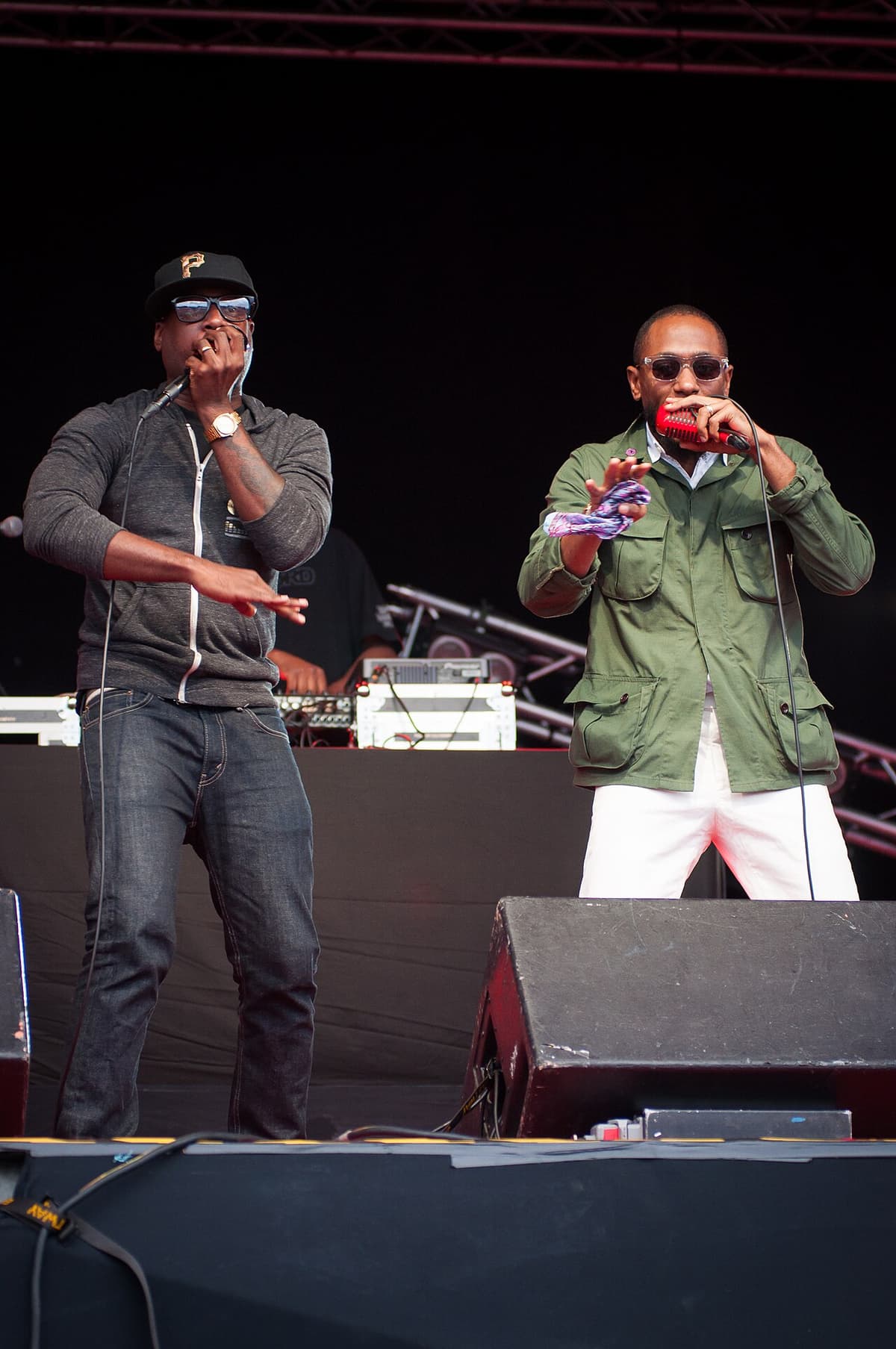
Shares sample based, analog warmth, minimalist (production style); conscious hip-hop, boom bap, abstract hip-hop (subgenres)
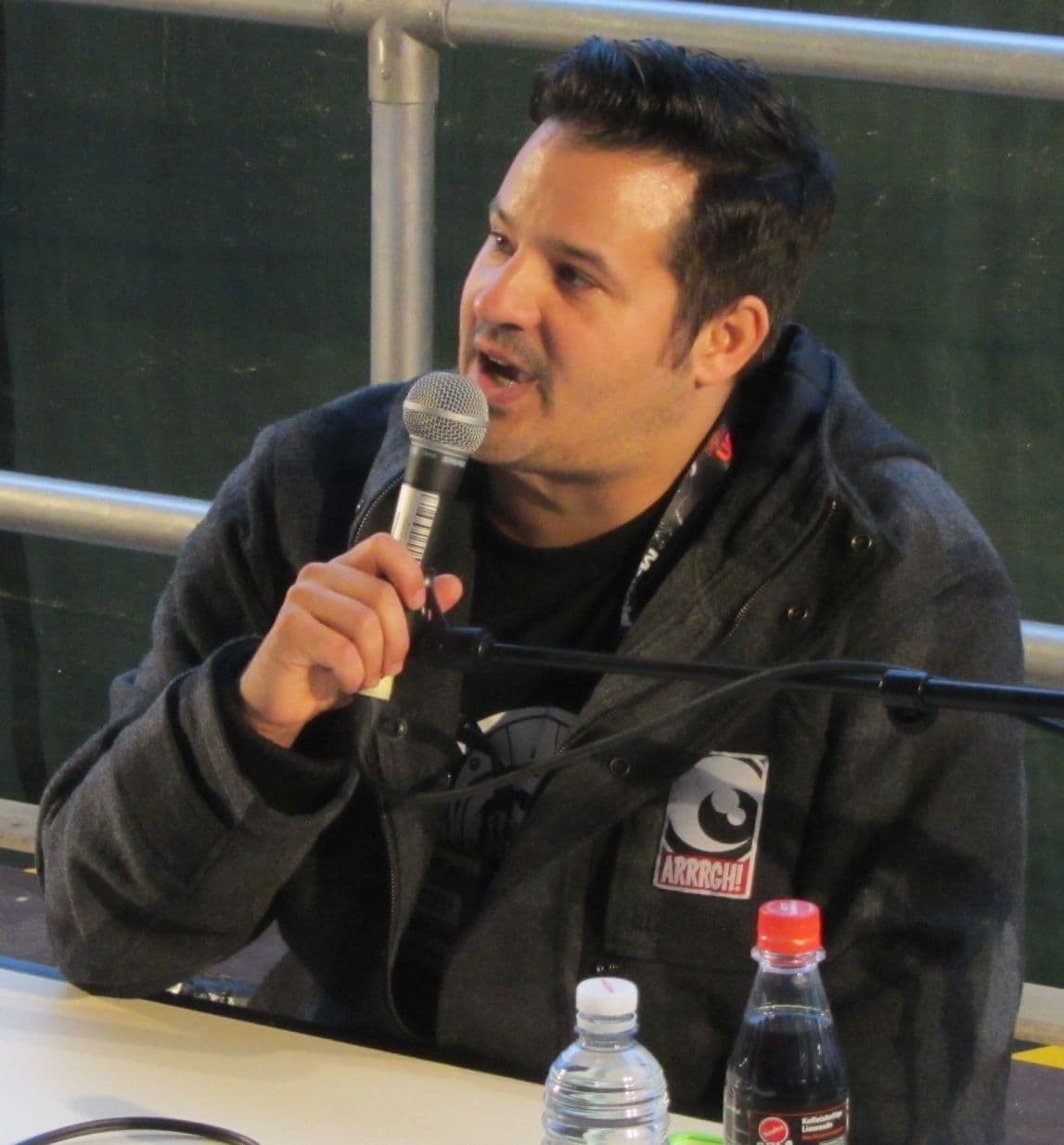
Shares boom bap, conscious hip-hop, abstract hip-hop (subgenres); sample based, analog warmth, minimalist (production style)
Shares conscious hip-hop, turntables, abstract hip-hop, boom bap (subgenre)
Shares conscious hip-hop, turntables, abstract hip-hop, boom bap (subgenre)
Cassette uses generative AI to enrich its catalog. How we use AI →