Creation (and their earlier incarnation, Blues Creation) represents the raw, unbridled birth of Japanese hard rock. Their sound is defined by Kazuo Takeda's virtuosic, overdriven guitar work, which bridges the gap between traditional American blues-rock and the heavier, more psychedelic sounds of the early 1970s. It feels like a high-voltage transmission from a basement club in Tokyo, thick with the smell of tube amps and cigarette smoke.
What makes them distinctive is the sheer weight of their rhythm section and the fearless way they adapted Western blues structures into something uniquely Japanese and aggressive. Their collaboration with Felix Pappalardi of Mountain added a massive, proto-metal density to their sound, characterized by thundering bass lines and soaring, melodic guitar harmonies that predated the NWOBHM movement.
Start with 'Demon & Eleven Children' for a masterclass in heavy psych-blues, or dive into their 1975 self-titled 'Creation' for a more polished but equally powerful example of Japanese rock's golden era. It is essential listening for anyone tracking the global evolution of the electric guitar.
Creation (Japanese: クリエイション, Hepburn: Kurieishon) is a Japanese rock band led by guitarist/singer Kazuo Takeda. Formed as Blues Creation (ブルース・クリエイション, Burūsu Kurieishon) in Tokyo in January 1969, they were the country's first blues band before adopting a more blues rock sound in 1971. That year, they simultaneously released the albums Demon & Eleven Children and Carmen Maki/Blues Creation, the latter being a collaboration with female vocalist Carmen Maki. Both albums have been credited with pioneering Japanese rock. After briefly disbanding, the band returned as simply Creation in 1972. They continued to tour, including becoming the first Japanese band to tour the United States and the first Japanese rock band to play the Nippon Budokan, and produce albums until disbanding in 1984. Since 2005, Takeda periodically returns to Japan and performs with musicians as Creation.


Shares blues rock, psychedelic rock, hard rock (subgenres); raspy, intense, belting (vocal style)
Shares blues rock, psychedelic rock, hard rock (subgenres); intense, defiant, brooding (moods)
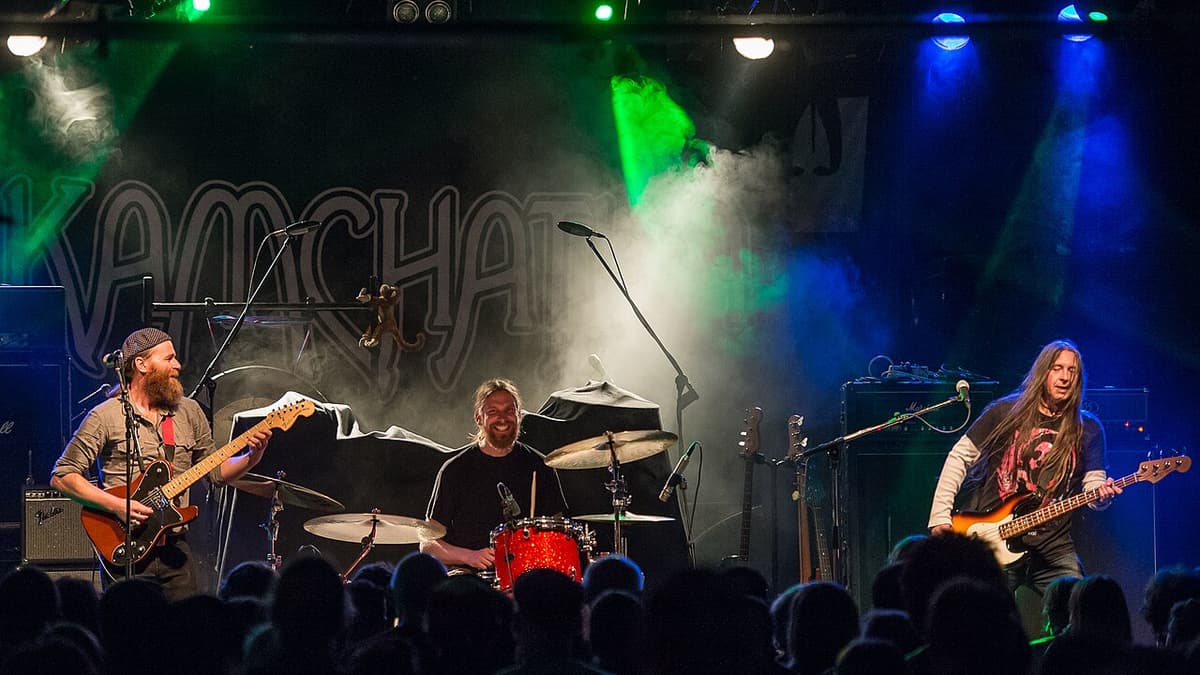
Shares hard rock, blues rock, psychedelic rock (subgenres); basement show, dive bar, urban night (atmosphere)
Shares blues rock, hard rock, psychedelic rock (subgenres); intense, defiant, energetic (moods)
Shares blues rock, psychedelic rock, hard rock (subgenres); raspy, intense, belting (vocal style)
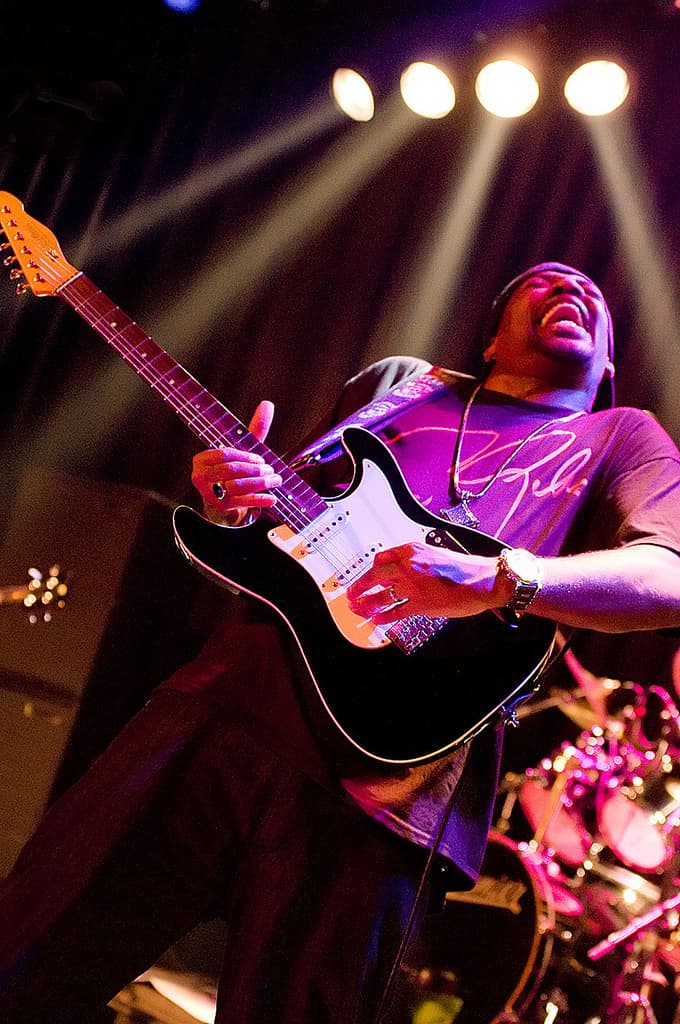
Shares blues rock, psychedelic rock, hard rock (subgenres); analog warmth, live recording, wall of sound (production style)
Shares hard rock, psychedelic rock, blues rock (subgenres); raspy, intense, belting (vocal style)
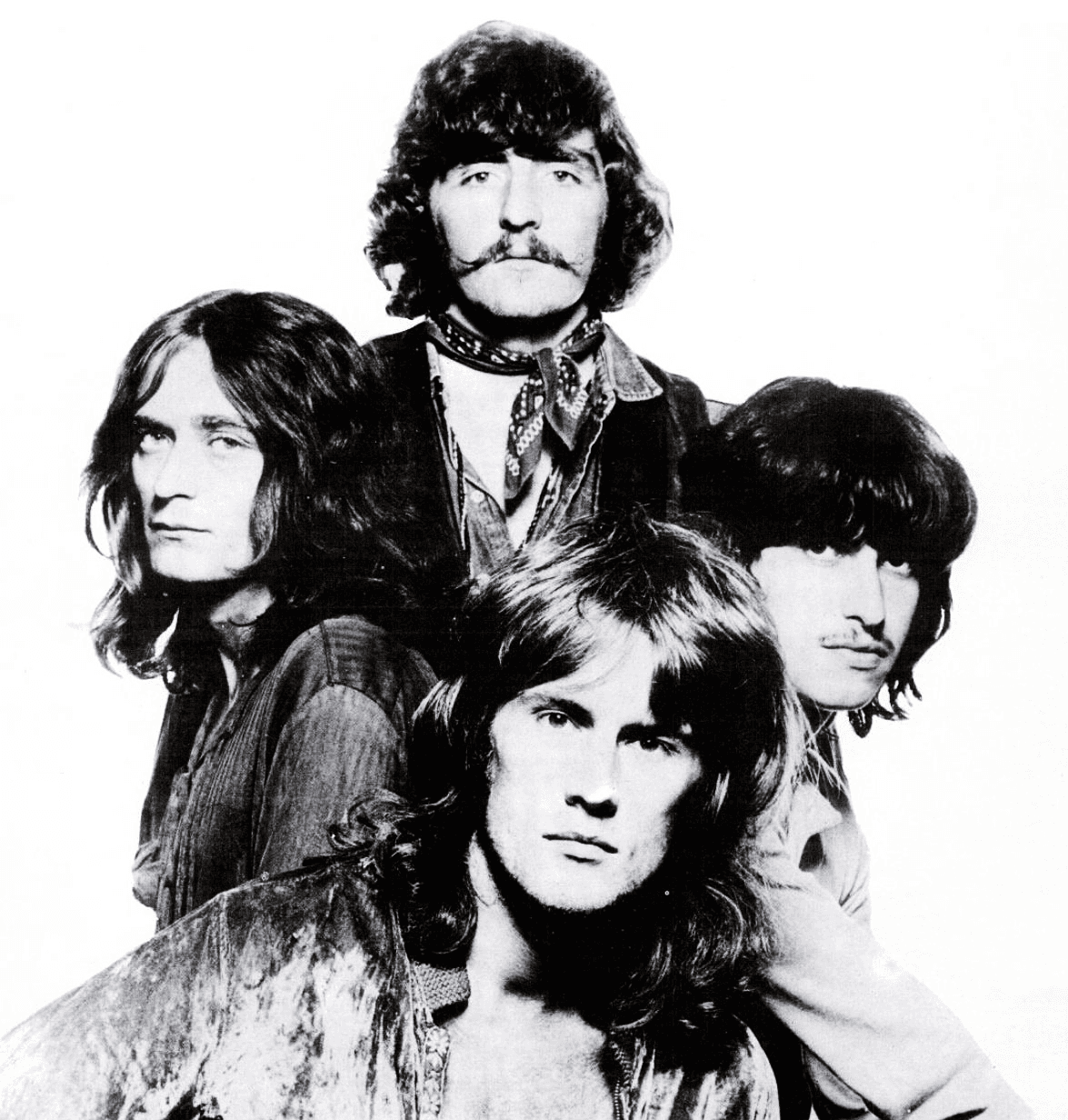
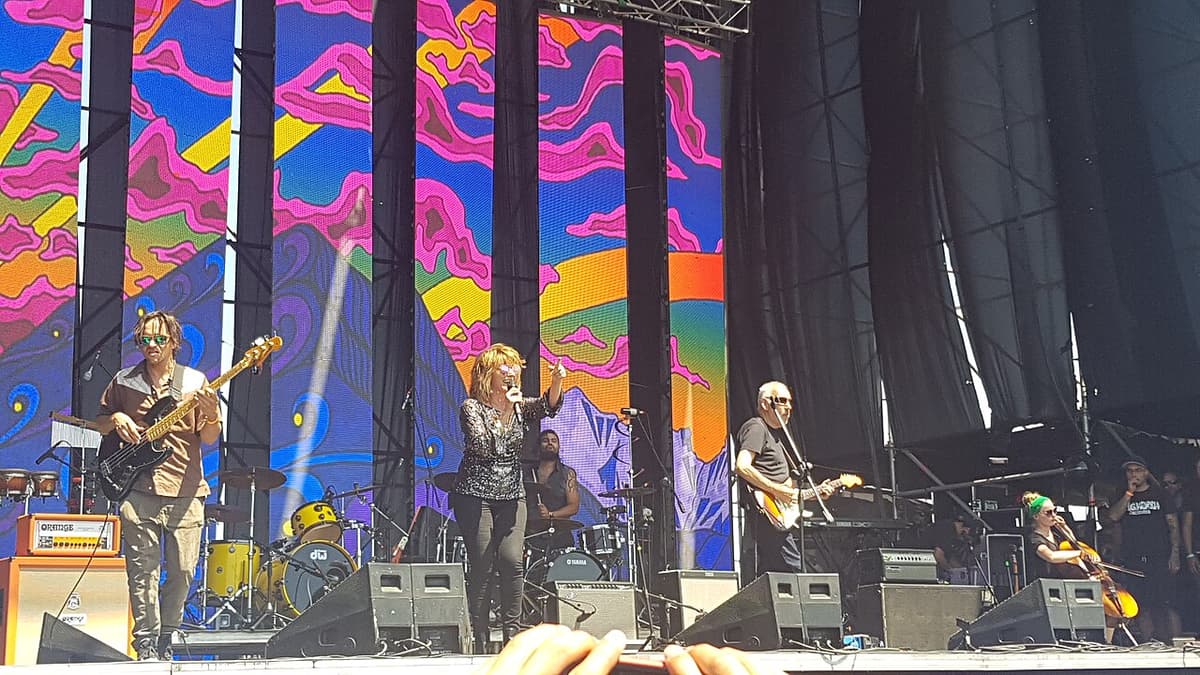
Shares psychedelic rock, blues rock, hard rock (subgenres); analog warmth, live recording, lo fi (production style)
Shares blues rock, organ, garage rock, psychedelic rock (signature)
Cassette uses generative AI to enrich its catalog. How we use AI →