Listening to Connie Converse feels like discovering a secret that was hidden in plain sight for half a century. The music is defined by its domesticity; these are home recordings, captured on reel-to-reel tapes in New York apartments, complete with the audible hiss of the machine and the occasional creak of a chair. It is folk music, but it lacks the traditionalism of the 1950s revival, opting instead for a sophisticated, almost academic approach to melody and structure.
What makes Converse truly distinctive is her lyrical perspective. While her contemporaries were singing traditional ballads, she was writing about urban alienation, the complexities of independent womanhood, and a profound, existential loneliness that feels startlingly modern. Her voice is steady and clear, carrying a dry wit and a hidden ache that suggests she was decades ahead of the singer-songwriter movement that would eventually follow her.
To understand her magic, start with the compilation How Sad, How Lovely. It captures the breadth of her work, from the playful to the devastating. It is the perfect companion for moments of solitary introspection, offering a connection to a brilliant, vanished mind through the fragile medium of magnetic tape.
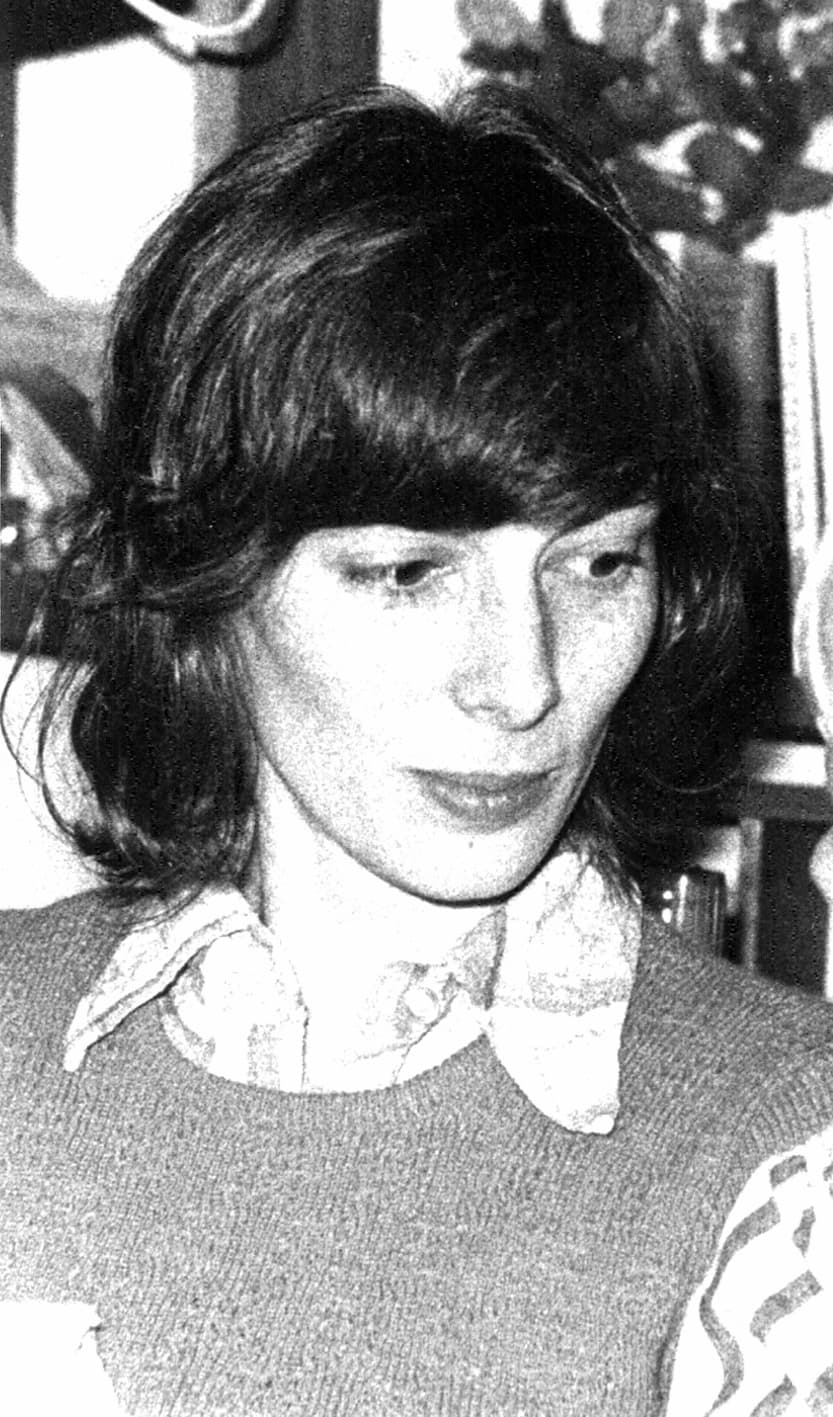
Elizabeth Eaton Converse (born August 3, 1924 – disappeared August 10, 1974) was an American singer-songwriter, best known under her professional name Connie Converse. She was active in New York City in the 1950s, and her work is among the earliest known recordings in the singer-songwriter genre of music. Before and after the period in which she wrote her music she was an academic, writer, assistant editor for the Far Eastern Survey (IPR, New York), and editor for the Journal of Conflict Resolution (University of Michigan, Ann Arbor). In 1974, Converse left her family home in search of a new life and was not seen or heard from again. Despite the obscurity of her music during her lifetime, her work gained recognition after it was featured on a 2004 radio show. In March 2009, a compilation album of her work, How Sad, How Lovely, was released.

Shares anti-folk, lonely, sparse bare, wistful (subgenre)



Shares lonely, alto, wistful, chamber folk (mood)
Shares anti-folk, wistful, chamber folk, acoustic folk (subgenre)
Shares chamber folk, narrating, library, acoustic folk (subgenre)
Shares chamber folk, library, acoustic folk, dry intimate (subgenre)

Cassette uses generative AI to enrich its catalog. How we use AI →