Cold Specks creates what she calls doom-soul, a sound that feels pulled from the red clay of the Deep South despite her Canadian roots. It is music of immense weight and space, where every silence is as deliberate as the notes. Her voice carries the gravity of a gospel singer from a century ago, yet it is anchored in a modern, experimental sensibility that avoids easy nostalgia.
What truly distinguishes her is the marriage of 'spirit feel' with a stark, almost industrial minimalism. She uses chain-gang rhythms and skeletal guitar lines to create a sense of ritual. There is a grit to the production that feels like dust on a needle, making the listening experience feel intimate, tactile, and occasionally unsettling.
Start with her debut, I Predict a Graceful Expulsion. It is the purest distillation of her gothic-soul aesthetic, featuring songs that feel like ancient hymns rediscovered in a basement. For something more expansive and collaborative, move to Neuroplasticity to hear how her voice interacts with darker, more aggressive textures.
Cold Specks is the stage name of Somali Canadian singer-songwriter Ladan Hussein, who was previously known as Al Spx. Her music has been described as doom-soul. The name Cold Specks is taken from a line in James Joyce's Ulysses ("Born all in the dark wormy earth, cold specks of fire, evil lights shining in the darkness."). She released her debut album, I Predict a Graceful Expulsion, on May 21, 2012, on Mute Records and Arts & Crafts in Canada. The album was a short-listed nominee for the 2012 Polaris Music Prize. Her second album, Neuroplasticity, was released on August 26, 2014. It featured trumpet playing by Ambrose Akinmusire and backing vocals from Michael Gira of Swans, was supported in part by selected dates opening for Sufjan Stevens on his Carrie & Lowell Tour, and was long-listed for the 2015 Polaris Music Prize. Her third album, Fool's Paradise, followed in 2017. Following Fool's Paradise, Hussein suffered a mental-health breakdown and underwent several months of treatment at Toronto's Centre for Addiction and Mental Health, where she was diagnosed with schizophrenia. In 2025 she released Light for the Midnight, her first full-length album since her health issues. It was long-listed for the 2025 Polaris Music Prize.


Shares sparse bare, indie folk, soul, chamber pop (signature)
Shares sparse bare, intense, trumpet, winter (production)
Shares somber, winter, indie folk, raw (mood)
Shares sparse bare, somber, winter, indie folk (production)
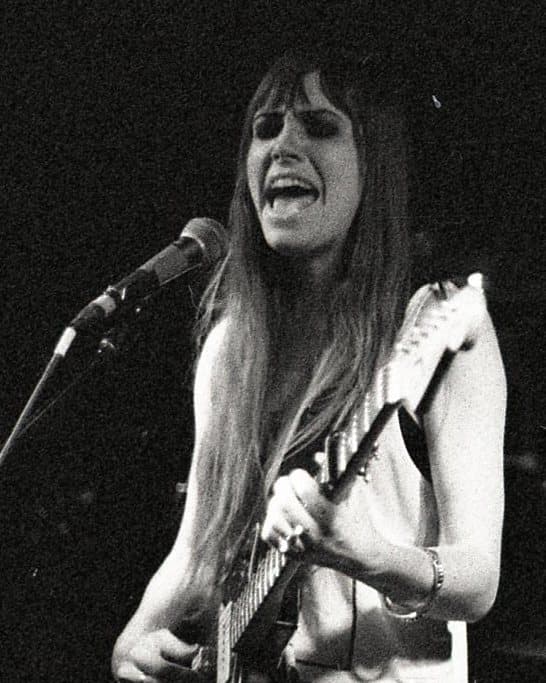
Shares sparse bare, winter, indie folk, haunting (signature)
Shares brooding, somber, winter, indie folk (signature)
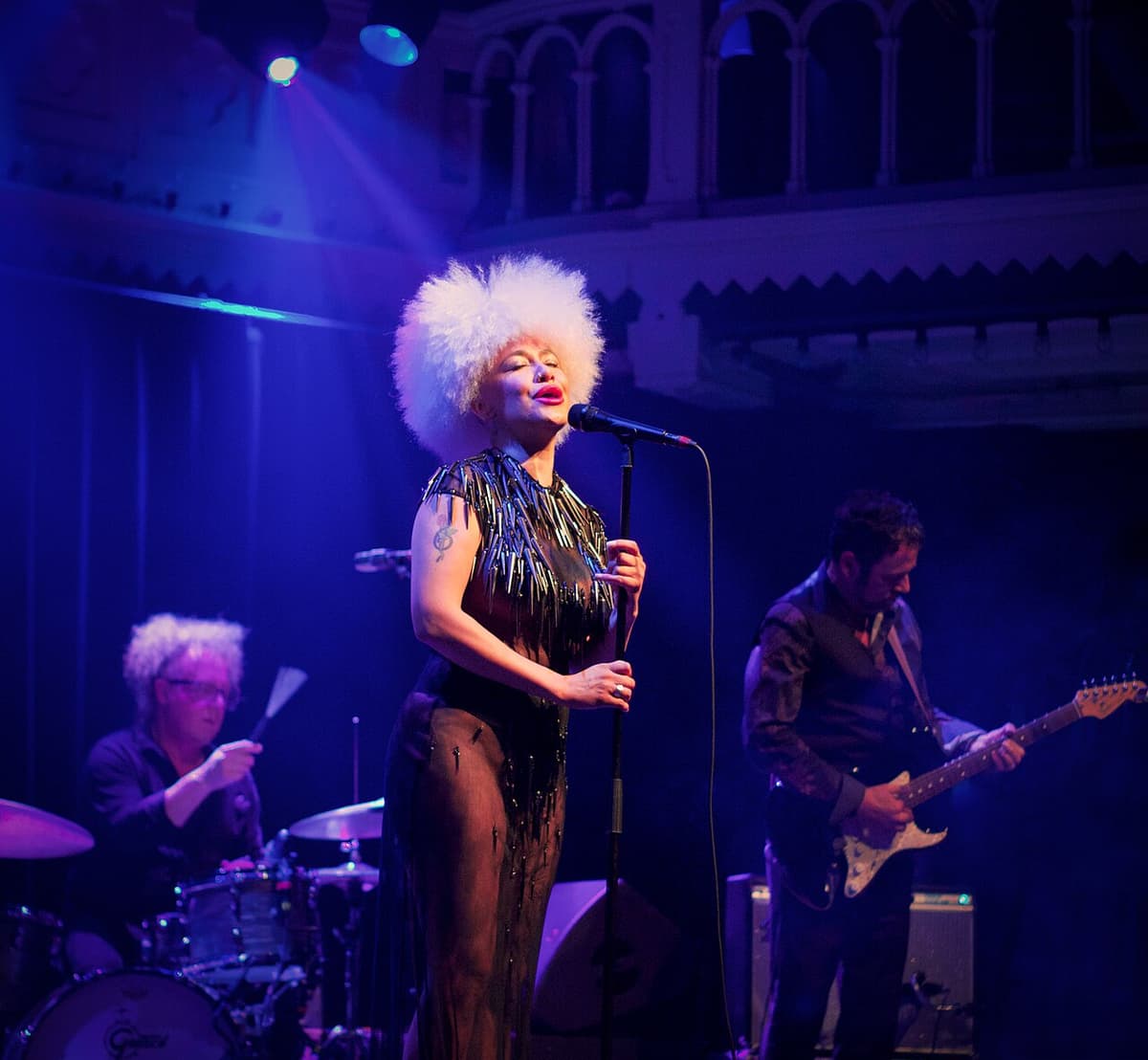
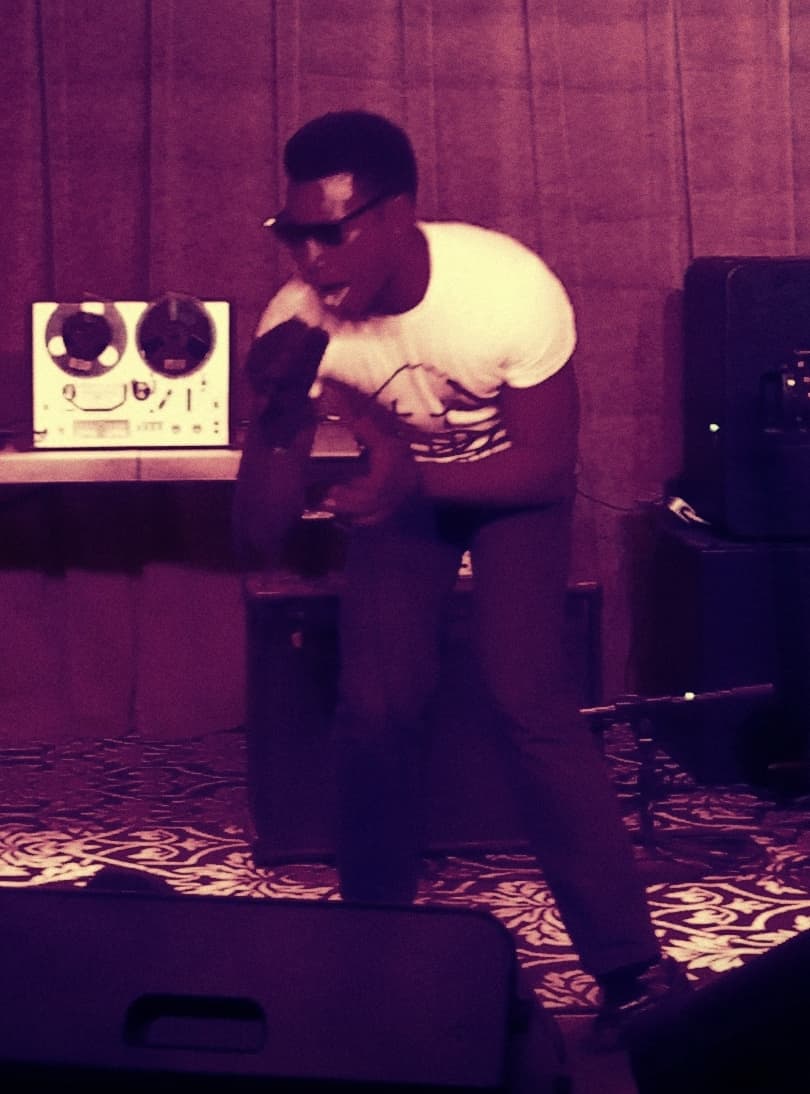
Shares sparse bare, somber, winter, indie folk (production)
Cassette uses generative AI to enrich its catalog. How we use AI →