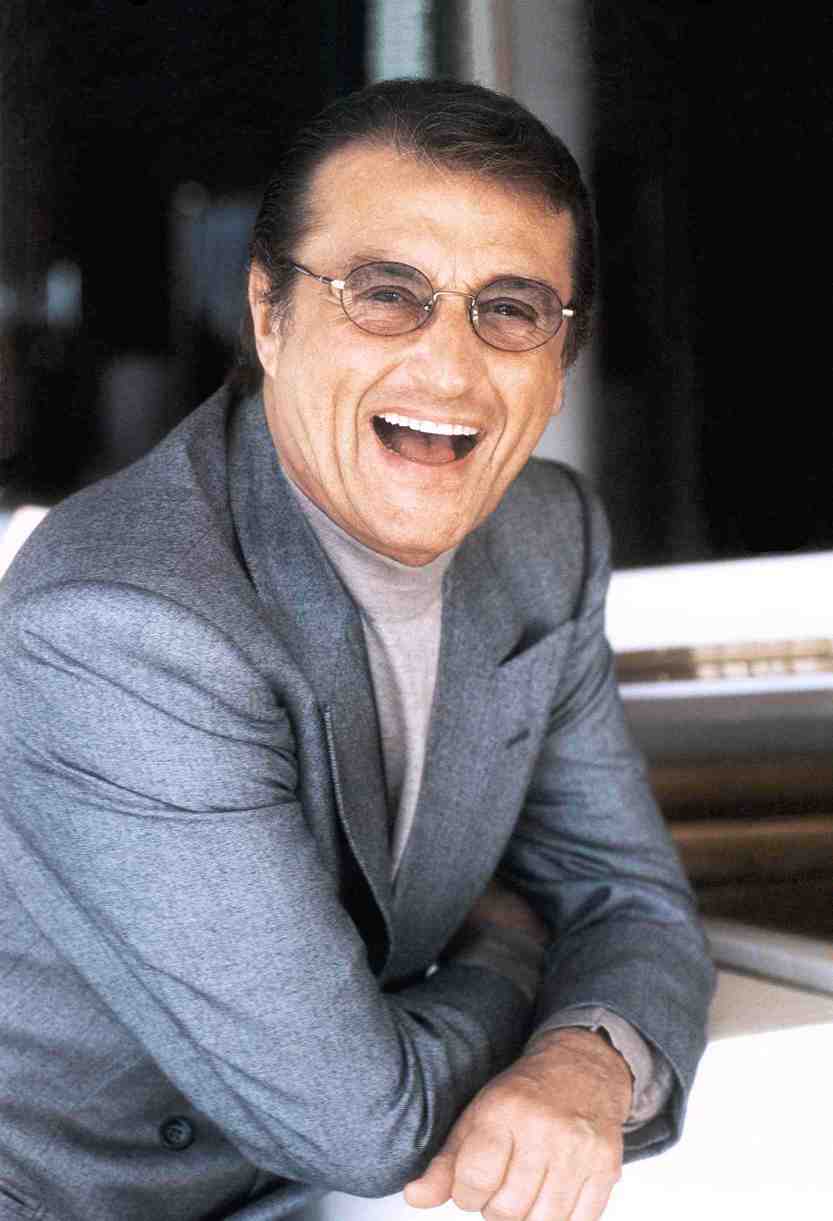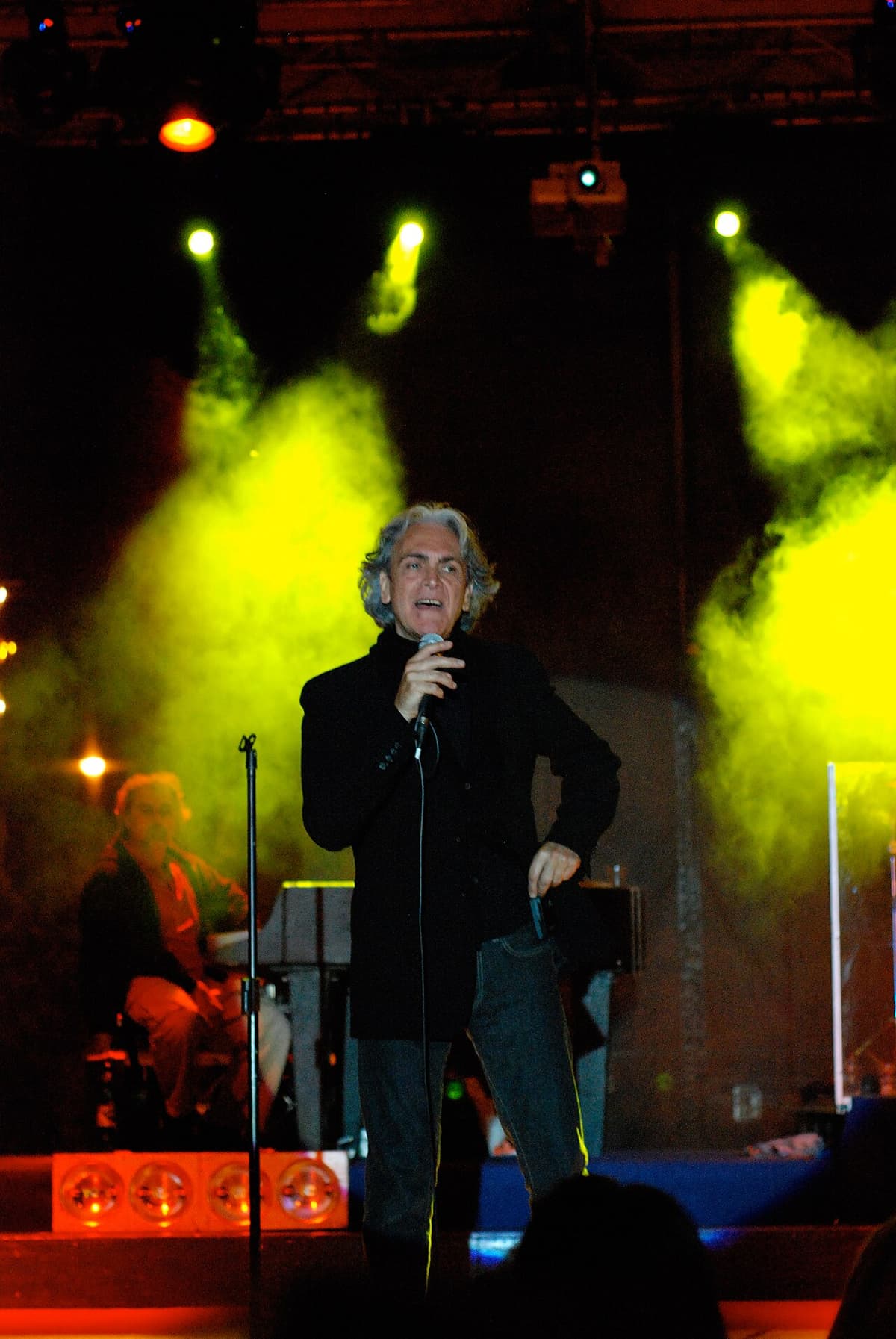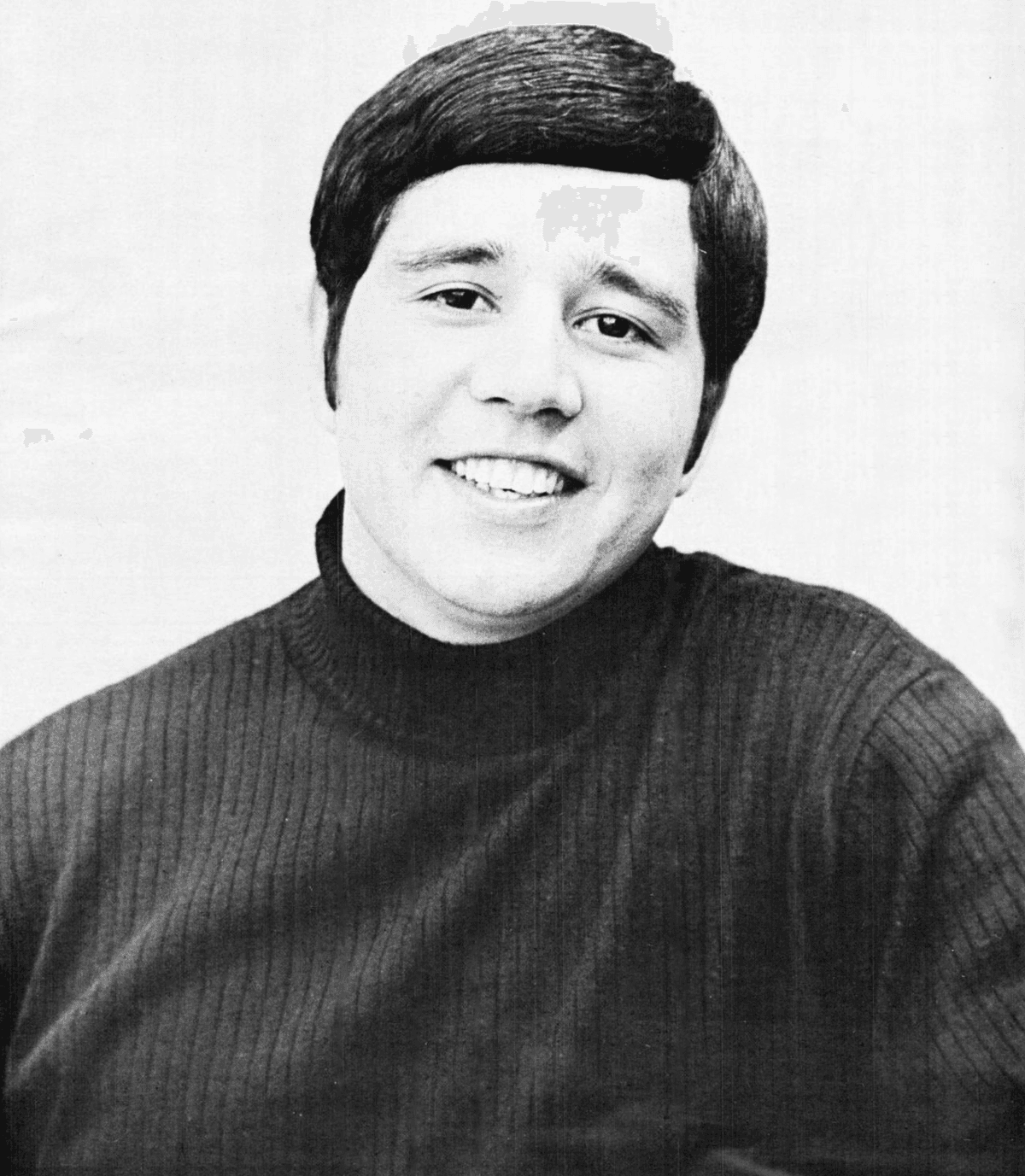
Chris Montez
Effortlessly breezy pop that bridges the gap between early rock and roll energy and sophisticated, breathy lounge standards. Perfect for sunny afternoons and cocktails.
Effortlessly breezy pop that bridges the gap between early rock and roll energy and sophisticated, breathy lounge standards. Perfect for sunny afternoons and cocktails.
Chris Montez offers a sound that feels like a permanent California summer. His music occupies a unique space where the raw, rhythmic energy of early 1960s rock and roll meets the refined, martini-chilled sophistication of the A&M Records era. Whether he is leading a dance floor with a driving beat or whispering a jazz standard, there is an inherent lightness and warmth to his delivery that makes every track feel approachable and sun-drenched.
What truly sets Montez apart is his vocal delivery. Eschewing the powerhouse belting typical of many of his contemporaries, he pioneered a soft, breathy, almost feminine croon that feels incredibly intimate. When paired with the crisp, brassy arrangements of the Herb Alpert school of production, this creates a 'soft pop' aesthetic that is both rhythmically engaging and emotionally soothing. It is music that refuses to be heavy, opting instead for a shimmering, optimistic clarity.
For those new to his catalog, the best entry point is his mid-60s output. Start with his reimagining of jazz standards like 'The More I See You' to hear that signature breathy style in full effect. If you want to hear his higher-energy roots, 'Let's Dance' provides the perfect counterpoint, showcasing the Chicano rock influence that first made him a star. It is a discography built for relaxation, light movement, and effortless charm.
Chris Montez (born Ezekiel Christopher Montañez; January 17, 1943) is an American guitarist and vocalist, whose stylistic approach has ranged from rock & roll to pop standards and Latin music. His rock sound is exemplified in songs such as his 1962 hit "Let's Dance", which reached No. 4 on the Billboard Hot 100. When his early music's popularity began to fade, he switched to a more traditional role as a popular singer of soft ballads, scoring hits with “The More I See You” and “Call Me" in 1966. He has also recorded in Latin styles. Over the intervening years, he has continued to work in all three modes.
Shares traditional pop, soft rock (subgenres); orchestral arrangement, analog warmth, studio polished (production style)
Shares traditional pop, vocal jazz, soft rock (subgenres); studio polished, orchestral arrangement, analog warmth (production style)
Shares traditional pop, vocal jazz (subgenres); studio polished, analog warmth, orchestral arrangement (production style)
Shares traditional pop, soft rock (subgenres); studio polished, analog warmth, orchestral arrangement (production style)
Shares traditional pop, soft rock, vocal jazz (subgenres); studio polished, analog warmth, orchestral arrangement (production style)
Shares playful, romantic, joyful (moods); traditional pop, vocal jazz (subgenres)

Shares traditional pop, soft rock, vocal jazz (subgenres); studio polished, analog warmth, orchestral arrangement (production style)
Cassette uses generative AI to enrich its catalog. How we use AI →