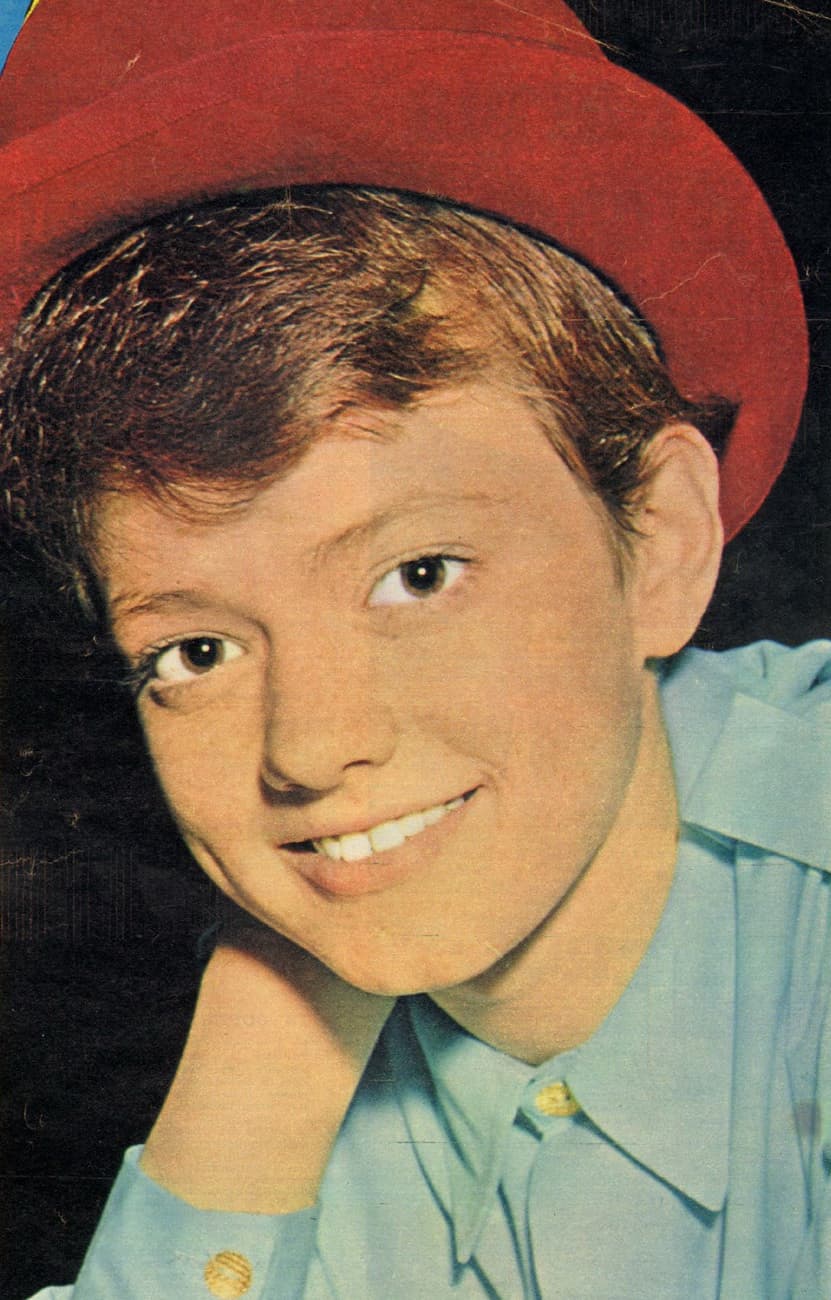
Chris Andrews
Jaunty, brass-led 60s pop with a distinctive oom-pah swing. Catchy songwriting that bridges British beat and European charm for a sunny, nostalgic afternoon.
Jaunty, brass-led 60s pop with a distinctive oom-pah swing. Catchy songwriting that bridges British beat and European charm for a sunny, nostalgic afternoon.
Chris Andrews occupies a unique corner of the 1960s pop landscape, blending the rhythmic energy of the British beat boom with a melodic sensibility that feels distinctly continental. His music is defined by a 'jaunty' quality, often anchored by staccato piano chords and bright, punchy brass sections that hint at his later success in the German market. It is the sound of a well-crafted pop song that doesn't take itself too seriously but is executed with professional precision.
What truly sets Andrews apart is the specific 'oom-pah' rhythmic structure he brought to his hits like 'Yesterday Man'. While his contemporaries were leaning into psychedelia or heavy rock, Andrews leaned into a rhythmic bounce that felt both traditional and fresh. His voice has a grounded, approachable baritone quality that makes his songs feel like stories being told by a friend at a pub, rather than a distant superstar.
To understand his impact, start with 'Yesterday Man' and 'To Whom It Concerns'. These tracks showcase his ability to write hooks that are impossible to shake. If you enjoy the sophisticated but catchy songwriting of the mid-60s, Andrews offers a fascinating bridge between the London mod scene and the European pop charts.
Christopher Frederick Andrews (born 15 October 1942) is a British-German singer-songwriter and producer whose musical career started in the late 1950s. His biggest hits as a solo artist include "To Whom It Concerns", "Yesterday Man" (a UK no. 3) and "Pretty Belinda". Between 1965 and 1970, across five countries, thirteen of his songs reached number one. Andrews wrote for many artists, notably fifteen songs for Sandie Shaw, including "As Long as You're Happy Baby", "Don't Run Away", "Girl Don't Come", "I'll Stop At Nothing", "Long Live Love", "Message Understood", "Nothing Comes Easy", "Run", "Show Me", "Think It All Over", "Today", "Tomorrow" and "You've Not Changed".
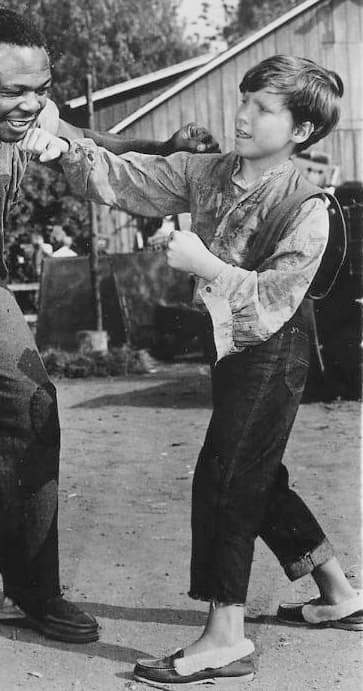
Shares analog warmth, studio polished, orchestral arrangement (production style); playful, joyful, nostalgic (moods)
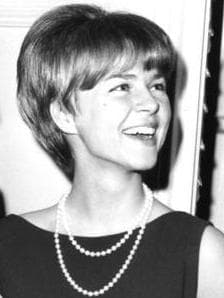
Shares traditional pop, rockabilly (subgenres); analog warmth, orchestral arrangement, studio polished (production style)
Shares analog warmth, studio polished, orchestral arrangement (production style); crooning, baritone, gentle (vocal style)
Shares analog warmth, studio polished, orchestral arrangement (production style); traditional pop, rockabilly (subgenres)
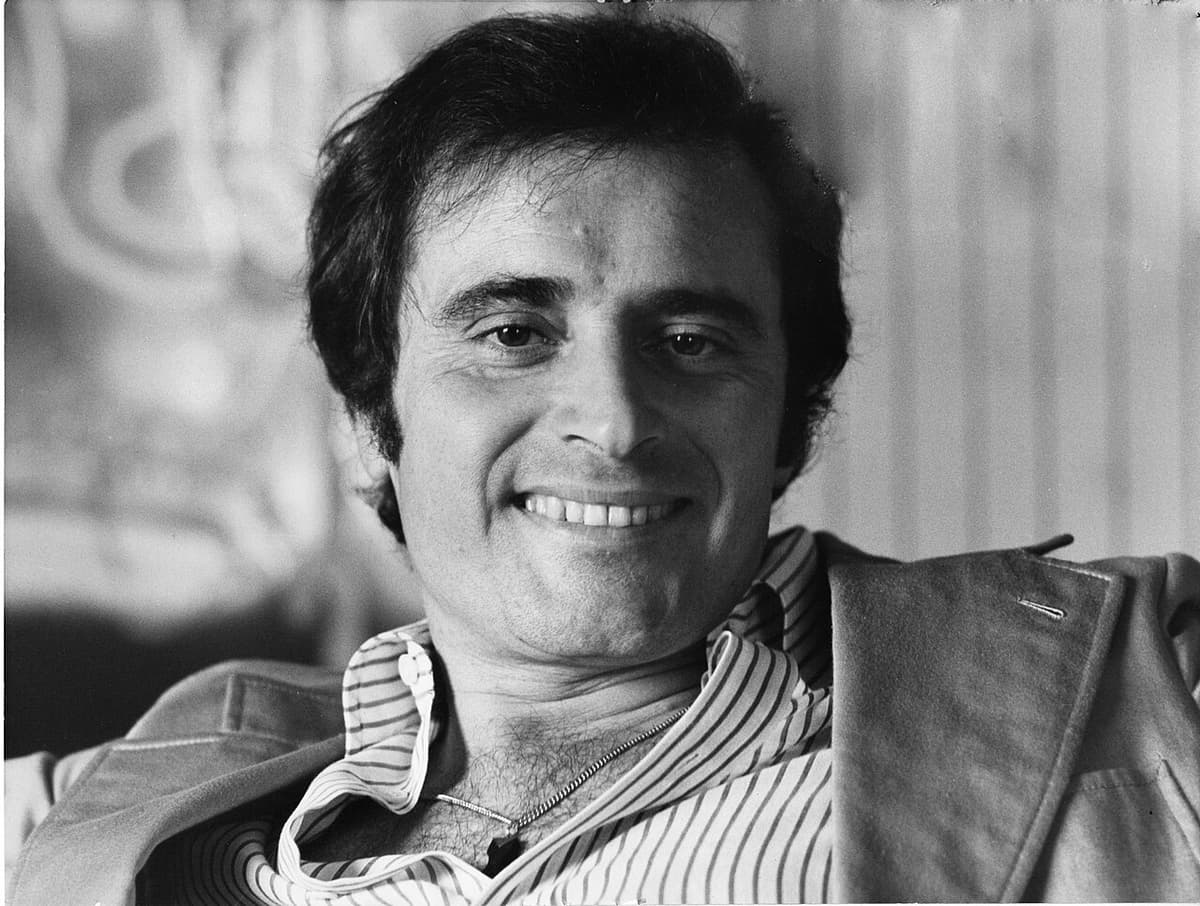
Shares joyful, playful, nostalgic (moods); analog warmth, studio polished, orchestral arrangement (production style)
Shares traditional pop, rockabilly (subgenres); joyful, playful, nostalgic (moods)
Shares traditional pop, baroque pop (subgenres); analog warmth, studio polished, orchestral arrangement (production style)

Shares analog warmth, studio polished, orchestral arrangement (production style); crooning, baritone, gentle (vocal style)
Shares traditional pop, baroque pop (subgenres); playful, nostalgic, joyful (moods)
Cassette uses generative AI to enrich its catalog. How we use AI →