Chemlab sounds like the precise moment a high-tech future starts to rust. It is the sonic equivalent of a cyberpunk noir film, where the synthesizers are caked in grime and the guitars are sharpened to a jagged edge. The music pulses with a mechanical heartbeat, often driven by relentless drum machine patterns that feel both clinical and dangerously alive. It is a sound that occupies the space between a dance floor and a riot.
What truly distinguishes Chemlab is their 'Angel-Dustrial' aesthetic, a term they coined to describe their drug-influenced, hazy, and often chaotic approach to industrial rock. Unlike the polished stadium-industrial of their contemporaries, Chemlab maintained a certain street-level filth. Jared Louche's vocals are a key signature, often processed through distortion to sound like a transmission from a broken intercom, delivering lyrics that dwell on urban decay, chemical dependency, and the friction of human life in a machine age.
Start with 'Burn Out at the Hydrogen Bar' to hear the definitive blueprint of their sound. It captures the band at their most influential, blending catchy, rhythmic hooks with experimental noise and a dark, cinematic atmosphere. It is the perfect entry point for anyone who wants to understand why this band remains a cult legend in the industrial underground.
Chemlab is an American industrial rock band formed in Washington D.C. in 1989 by Dylan Thomas More, Joe Frank, and Jared Louche (then known as Hendrickson). Influenced by the pioneers of the industrial genre, such as Throbbing Gristle, Chemlab mixed experimental sounds with rock and metal within an electronic framework. They released their first EP 10 Ton Pressure (1990), parted ways with Frank and moved to New York City, their base for the duration of their career. Chemlab released their debut album Burn Out at the Hydrogen Bar in 1993 and toured with acts such as White Zombie, KMFDM, Nine Inch Nails, 16volt, and Gwar.


Shares darkwave, industrial metal (subgenres); noise textured, analog warmth, layered dense (production style)
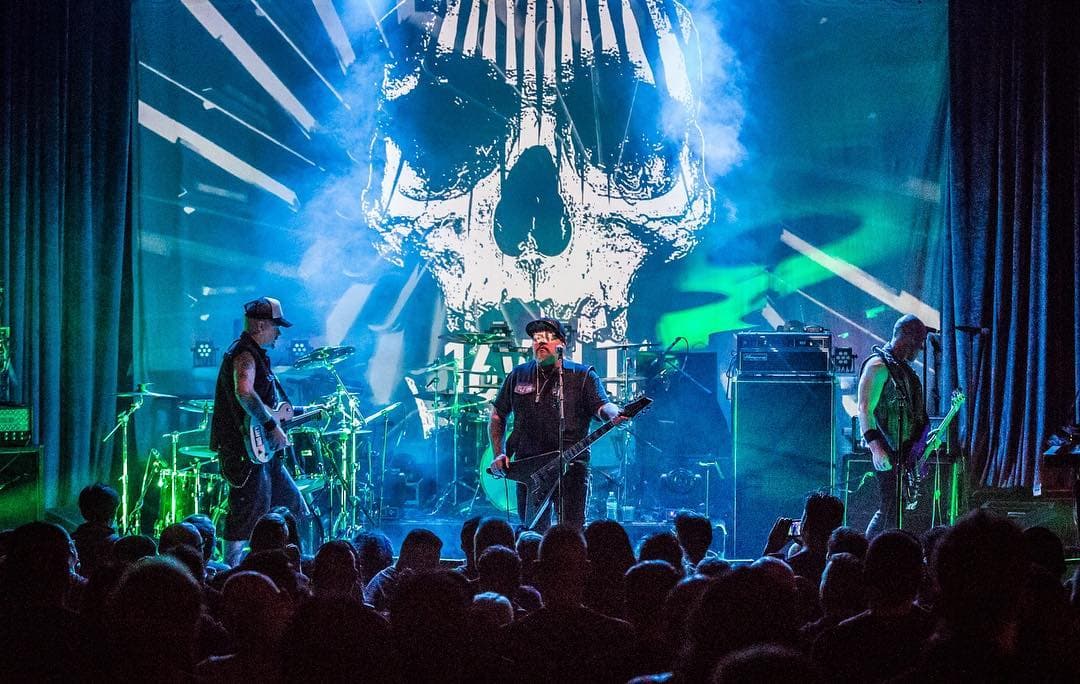
Shares darkwave, industrial metal (subgenres); processed, intense, whispered (vocal style)
Shares darkwave, industrial metal (subgenres); drum machine, electric guitar, keys/synth (instrumentation)
Shares raspy, processed, intense (vocal style); urban night, basement show, dive bar (atmosphere)
Shares darkwave, industrial metal (subgenres); aggressive, brooding, tense (moods)
Shares noise textured, analog warmth, layered dense (production style); urban night, basement show, dive bar (atmosphere)
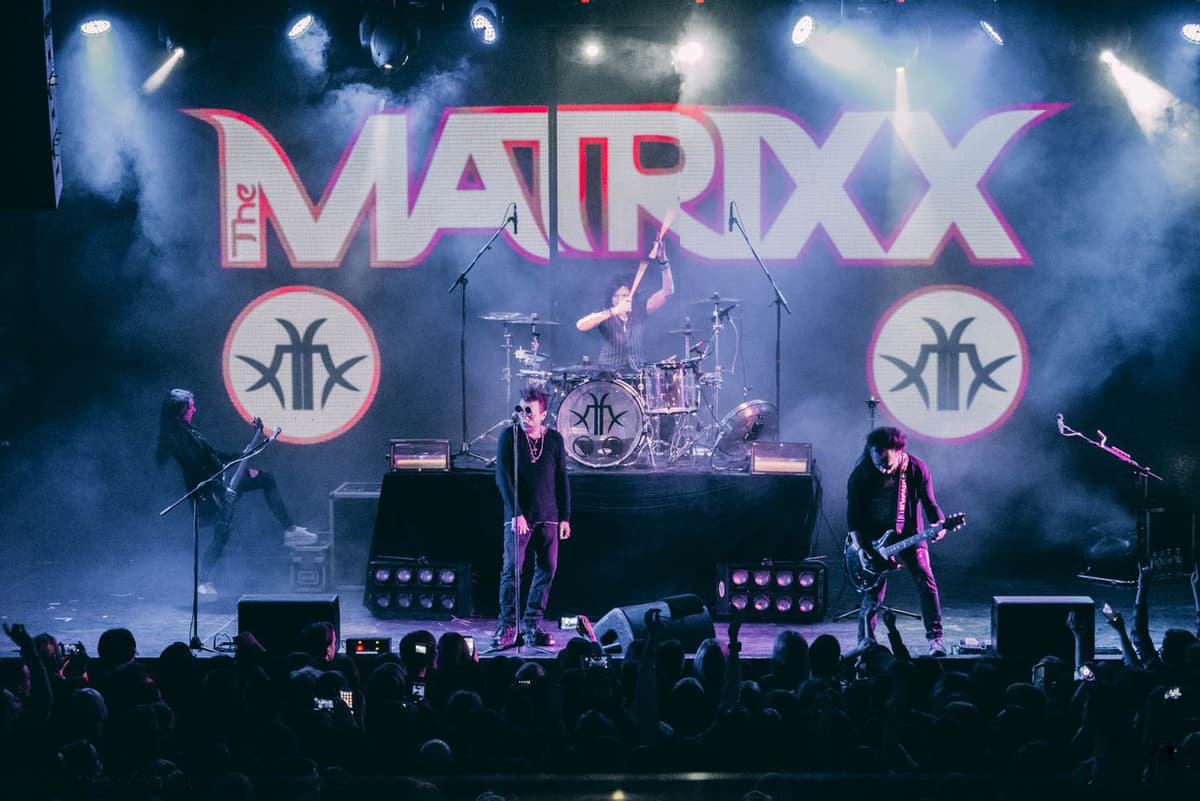
Shares urban night, basement show, fog (atmosphere); darkwave, industrial metal (subgenres)
Shares aggressive, brooding, rebellious (moods); darkwave (subgenres)
Shares processed, industrial metal, darkwave, whispered (signature)
Cassette uses generative AI to enrich its catalog. How we use AI →